 Save
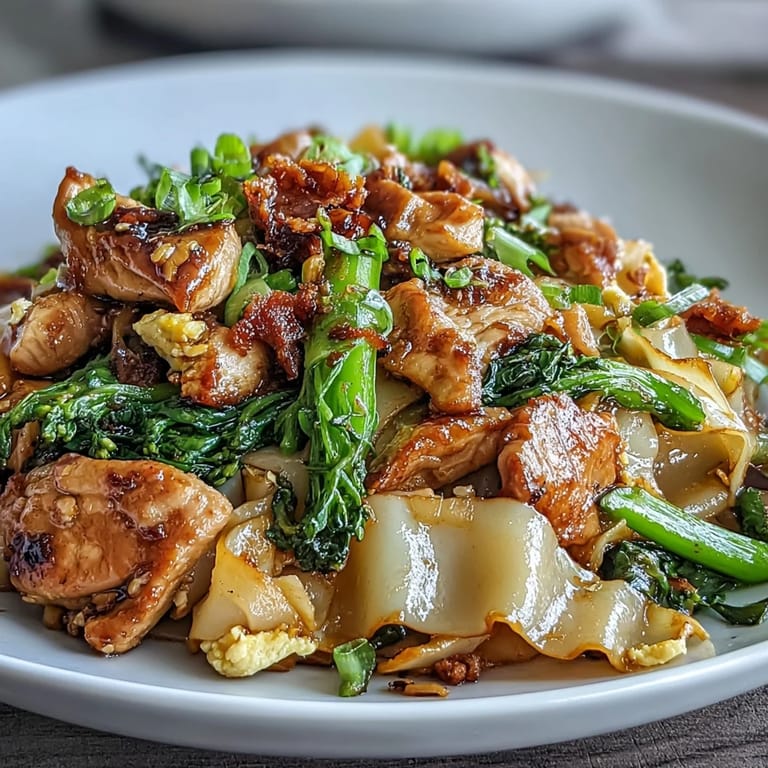
Save The steam rising from a street vendor's wok in Bangkok still haunts me in the best way possible. I watched this tiny woman with arms like steel cables toss rice noodles with such practiced grace that the sauce practically caramelized in midair. When I got home, I spent three months burning batches until I understood she was using high heat and even higher confidence. Now when I make Pad See Ew, my kitchen fills with that same intoxicating scent of charred noodles and garlic that made me stop in my tracks half a world away.
My roommate in college walked in while I was attempting my first batch and asked why something smelled so incredible. We ended up eating standing up at the counter, burning our tongues because we could not wait for it to cool down. Now whenever friends come over for dinner, this is the dish they actually request by name.
Ingredients
- Wide rice stick noodles: Fresh noodles give you the best chew but dried ones work perfectly after a good soak
- Chicken thighs: Stay tender and juicy even when cooked over high heat unlike breast meat
- Chinese broccoli: Adds that authentic bitter crunch and holds up better than regular broccoli
- Dark soy sauce: Provides the gorgeous mahogany color and deep caramel flavor
- Oyster sauce: The secret ingredient that brings everything together with savory richness
- White vinegar: Cuts through the sweetness and mimics the tang of street food versions
- Garlic: Finely chopped so it almost dissolves into the noodles
Tired of Takeout? 🥡
Get 10 meals you can make faster than delivery arrives. Seriously.
One email. No spam. Unsubscribe anytime.
Instructions
- Get your noodles ready:
- Soak dried noodles in warm water for thirty minutes until they bend without breaking then drain them well. Fresh noodles just need a gentle toss to separate the strands.
- Whisk up the sauce:
- Combine dark soy sauce, oyster sauce, light soy sauce, vinegar, and sugar in a small bowl. Stir until the sugar completely disappears.
- Prep the Chinese broccoli:
- Cut the stems into two inch pieces and keep the leaves larger since they wilt down quickly during cooking.
- Cook the chicken:
- Heat one tablespoon oil in your wok over high heat until it shimmers. Add the sliced chicken and stir fry until just cooked through then remove it from the pan.
- Stir fry the vegetables:
- Add another tablespoon of oil to the hot wok. Toss in the broccoli stems first for one minute then add the leaves until just wilted and set aside.
- Scramble the egg:
- Heat the remaining oil and sauté the garlic for just a few seconds until fragrant. Crack in the egg and scramble it quickly until barely set.
- Add noodles and sauce:
- Toss in the noodles and pour the sauce over them. Use your spatula to fold everything together until the noodles are evenly coated and starting to char.
- Bring it all together:
- Return the chicken and Chinese broccoli to the wok. Stir fry everything for one to two minutes until hot and the sauce has coated every strand.
- Serve it up:
- Divide between plates immediately while the noodles are still hot and slightly charred.
 Save
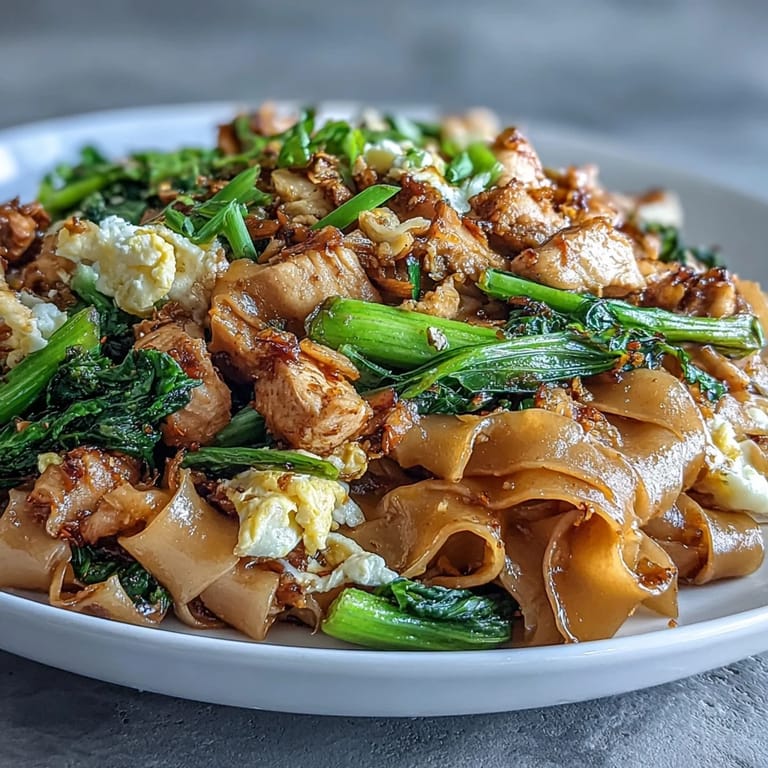
Save This dish became my go to for busy weeknights when I want something that feels special but does not take all night. The way the sauce clings to each noodle while the edges get slightly crispy makes every bite feel like a treat from a food stall halfway across the world.
Choosing Your Protein
Thinly sliced beef works beautifully and cooks just as quickly as chicken thighs. Pork shoulder cut against the grain adds richness while shrimp cooks in seconds so add them right at the end. For a vegetarian version firm tofu cubes develop crispy edges when fried in the hot wok before being tossed with everything else.
Noodle Wisdom
Fresh rice noodles from an Asian market give you the most authentic texture but dried noodles are more accessible. The key is soaking them long enough to become pliable without turning mushy. If your noodles are sticking together rinse them briefly under cool water before adding to the wok.
Vegetable Swaps
Chinese broccoli has that perfect bitterness but broccolini works well in a pinch. Regular broccoli florets need an extra minute of cooking time. For something different try baby bok choy which wilts beautifully and adds a fresh flavor.
- Season your wok properly before cooking to prevent sticking
- Cut all ingredients to similar sizes so they cook evenly
- Taste a noodle before serving to adjust the seasoning if needed
 Save
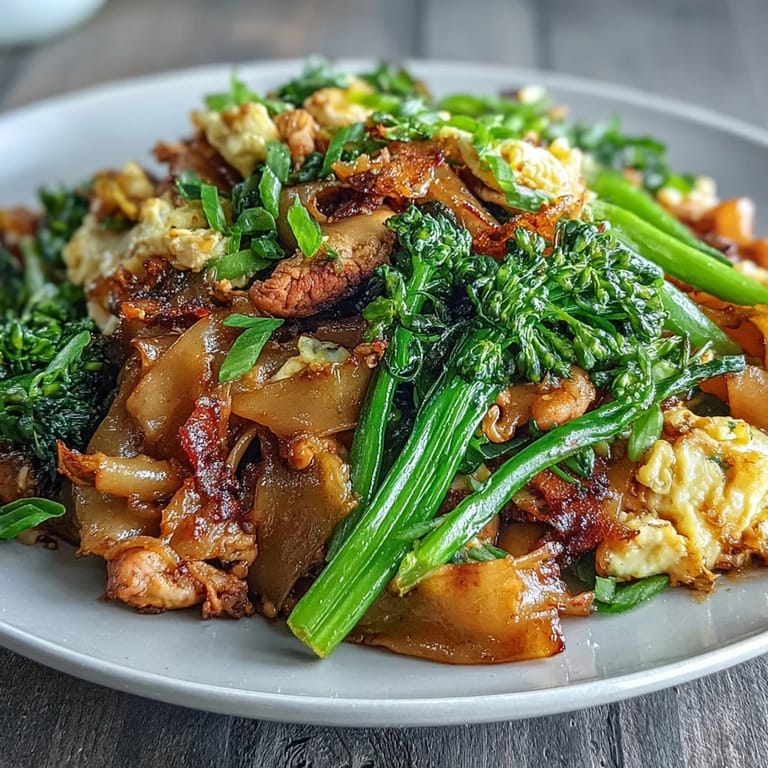
Save Garnish with fresh chili slices if you want heat and serve immediately while those noodles still have that perfect chew. This dish reminds me why I fell in love with Thai cooking in the first place.
Recipe FAQ
- → What makes Pad See Ew different from other Thai noodle dishes?
Pad See Ew distinguishes itself through wide rice noodles rather than thin strands, along with a specific sauce blend of dark soy, light soy, oyster sauce, vinegar, and sugar. The cooking technique creates slightly charred, smoky notes while maintaining tender noodles, and Chinese broccoli provides a bitter contrast that balances the sweet-savory sauce.
- → Can I use fresh rice noodles instead of dried?
Fresh wide rice noodles work excellently and actually come closer to the authentic street food version. Simply separate the noodles gently before cooking—no soaking required. If they seem stiff, steam them briefly or rinse under warm water to loosen. Fresh noodles cook faster than soaked dried ones, so adjust your stir-fry timing accordingly.
- → What protein alternatives work well in this dish?
Thinly sliced beef, pork, or shrimp all perform beautifully as substitutes for chicken thigh. For a vegetarian version, use firm tofu pressed and cut into strips. The key is cutting your protein into uniform, bite-sized pieces that cook quickly over high heat. Each protein brings its own character—beef adds richness, shrimp provides sweetness, while tofu absorbs the sauce beautifully.
- → Why does the sauce include both dark and light soy sauce?
Dark soy sauce contributes rich color, slight sweetness, and a thicker consistency that coats the noodles. Light soy sauce provides the essential salty base and sharp umami notes. Together they create depth—dark for body and visual appeal, light for seasoning intensity. Oyster sauce adds additional umami complexity while the vinegar and sugar balance everything with tang and sweetness.
- → How do I prevent the noodles from breaking apart during cooking?
Avoid over-soaking dried noodles—they should be pliable but still firm to the touch. When stir-frying, use a gentle tossing motion rather than aggressive stirring. If the noodles seem too dry and sticking, add small splashes of water rather than more oil. Work quickly once the noodles hit the hot wok to prevent them from becoming mushy or clumping together.
- → What can I substitute for Chinese broccoli?
Broccolini makes an excellent substitute with its similar flavor profile and tender-crisp texture. Regular broccoli florets work in a pinch, though they lack the slight bitterness that balances the sweet sauce. For a more authentic experience, try baby bok choy or yu choy—both provide that essential stem-and-leaf contrast while maintaining the dish's traditional character.