 Save
Save My neighbor Simone handed me a glass of this on her Paris apartment balcony one late afternoon, the sun turning everything golden, and I realized I'd been drinking wine all wrong until that moment. The blackcurrant liqueur pooled at the bottom like a secret, transforming something I thought I knew into something entirely new. She called it a Kir, said it was how Parisians started their evenings, and I've been making it ever since—though never quite as casually as she did.
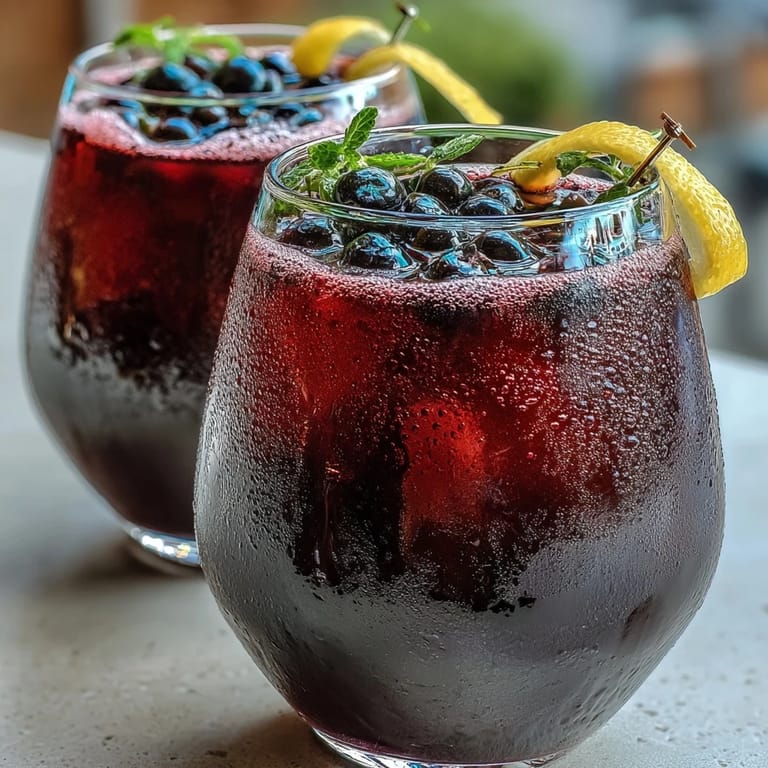
I made a batch for friends during a surprise dinner last spring, and someone asked if I'd hired a bartender; the silly pride I felt was completely disproportionate to the actual effort involved. The blackcurrant color caught the candlelight in such a striking way that people kept commenting on how it looked, which somehow made it taste better. That's when I stopped thinking of this as a recipe and started thinking of it as a tiny performance piece.
Ingredients
- Crème de Cassis: This is the whole personality of the drink—it's a blackcurrant liqueur from Burgundy that's both sweet and tart, and honestly it's worth buying a decent bottle because the cheap stuff tastes like syrup with regrets.
- Dry White Wine: Sauvignon Blanc or Aligoté work beautifully because their acidity plays nicely with the cassis's richness, creating this conversation between flavors rather than one drowning out the other.
- Fresh Blackcurrants or Lemon Twist: Optional but genuinely worth it—the garnish isn't decoration, it's a flavor reminder that lives in your glass.
- Ice Cubes: Cold matters here more than you'd think; the chill keeps everything crisp instead of letting it become a sad warm wine situation.
Tired of Takeout? 🥡
Get 10 meals you can make faster than delivery arrives. Seriously.
One email. No spam. Unsubscribe anytime.
Instructions
- Chill Your Glasses First:
- Pop two wine glasses into the refrigerator for about ten minutes—this isn't fussy, it's practical, because a cold glass keeps the drink cold longer and changes how the flavors bloom on your tongue. Think of it as giving the drink a fighting chance.
- Pour the Cassis:
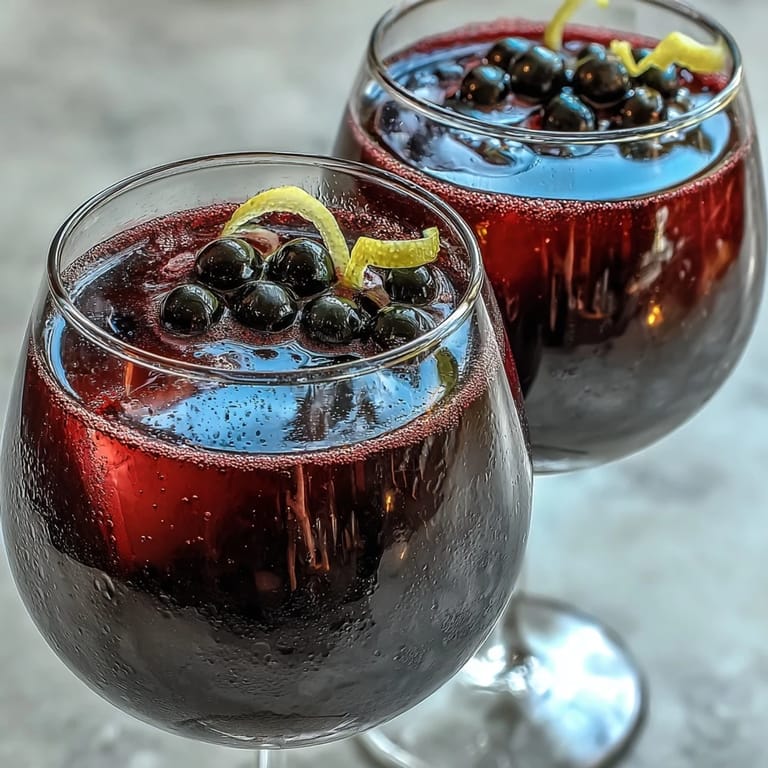
- Measure out 50 milliliters of crème de cassis into each glass, watching how the color settles at the bottom like concentrated possibility. Don't rush this part; the presentation is half the appeal.
- Add the Wine:
- Top each glass with 150 milliliters of chilled white wine, pouring slowly and deliberately down the side of the glass if you want to preserve the beautiful layering effect. The two liquids create this moment of tension before they merge.
- Stir Gently:
- Give it a slow, tender stir with a bar spoon, combining everything without being aggressive—you want the flavors to know each other, not fight each other. Listen for the soft clink of the spoon against the glass; it's weirdly meditative.
- Add Ice and Garnish:
- Drop in a few ice cubes if you like, then crown it with fresh blackcurrants or a lemon twist. Serve immediately, because this is a drink that knows when it's at its best.
 Save
Save A friend's mother told me over one of these drinks that she'd been making them for forty years and still got a little thrill each time the colors mixed. That's when I understood it's not really about the ingredients—it's about the deliberateness of it, the care, the way taking five minutes to do something nicely can shift an entire evening.
When Elegance Meets Simplicity
This drink exists in this perfect space where it feels sophisticated but never pretentious, where you're not stressed about whether you're doing it right because there's really only one way to do it wrong—and that's rushing. The beauty of a Kir is that it trusts you to simply combine three things with intention, and somehow that trust is exactly what makes it special.
Variations Worth Exploring
The Kir Royale swaps the white wine for Champagne or sparkling wine, which transforms the drink into something more celebratory and effervescent—it's the drink's fancier sibling. Some people adjust the cassis-to-wine ratio depending on mood: more cassis on nights when you want something sweeter, more wine when you want something lighter. I've seen people add a tiny splash of club soda for extra sparkle, which technically isn't traditional but tastes like a secret improvement.
Pairing and Serving Thoughts
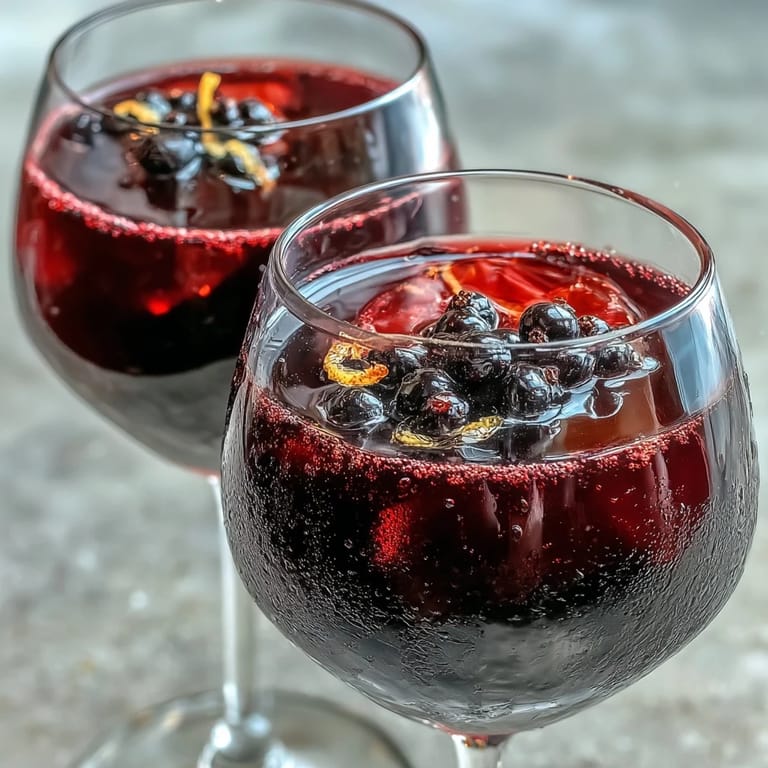
This cocktail opens a meal beautifully—it's an aperitif in the truest sense, something that wakes up your palate and sets a tone of unhurried elegance. The tartness of the blackcurrant makes it genuinely food-friendly; it doesn't compete with light appetizers but rather complements them. Try it with goat cheese crostini, briny olives, smoked almonds, or even just crusty bread with butter and fleur de sel.
- Make it the star of a casual afternoon gathering by chilling everything ahead and pouring it tableside for maximum theater.
- Remember that this is a drink meant for conversation and slow sipping, not for gulping, so pour responsibly and generously.
- If you're making several at once, measure out the cassis in advance and pour the wine right before serving to keep everything as cold as possible.
 Save
Save This might be the easiest way to make someone feel cared for in five minutes flat. Pour this for yourself on a quiet evening and you'll understand why the French have been onto something all along.
Recipe FAQ
- → What type of white wine works best?
Dry white wines like Sauvignon Blanc, Aligoté, or Chardonnay provide the ideal balance. The wine's crispness cuts through the sweet liqueur while allowing the blackcurrant flavors to shine. French wines are traditional, but any quality dry white works beautifully.
- → Can I make this ahead of time?
For optimal freshness and effervescence, prepare this drink just before serving. However, you can chill the glasses and measure ingredients beforehand. Simply combine the cassis and wine when ready to serve, then garnish and enjoy immediately.
- → What makes this different from a Kir Royale?
A Kir Royale uses Champagne or sparkling wine instead of still white wine, creating a bubbly variation with celebratory flair. The classic version uses still wine for a more subdued, elegant presentation perfect for casual gatherings or dinner parties.
- → How can I adjust the sweetness level?
The ratio of cassis to wine determines sweetness. For a sweeter drink, increase the liqueur proportion. For a drier, more wine-forward experience, reduce the cassis slightly. Traditional French proportions favor a balanced approach where neither element overpowers the other.
- → What foods pair well with this aperitif?
Light appetizers complement the sweet-tart profile beautifully. Try goat cheese crostini, olives, fresh fruit, or mild cheeses. The drink's acidity and fruitiness make it an excellent palate cleanser before richer courses, while its elegance suits cocktail hour fare.