 Save
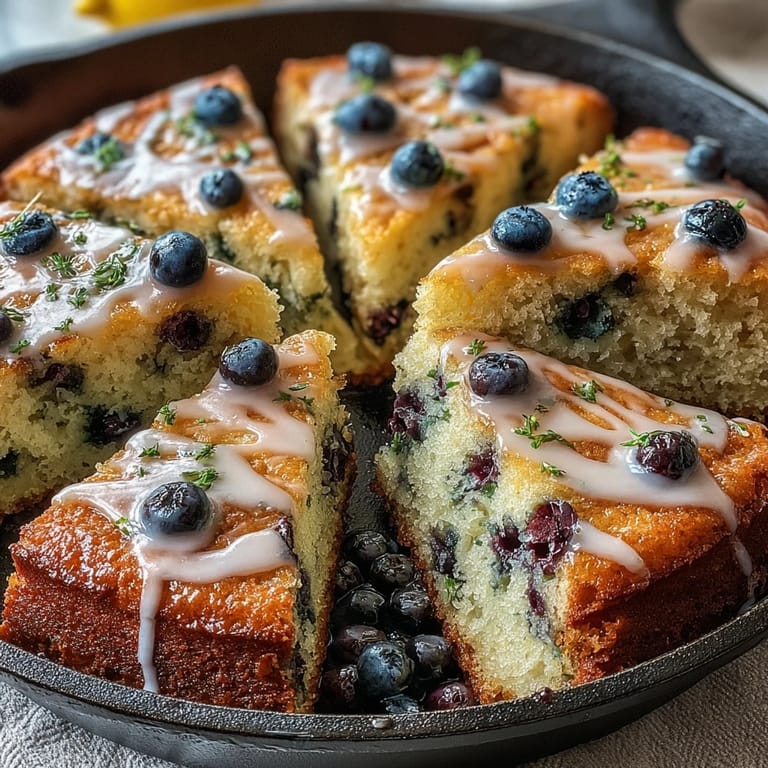
Save My sourdough starter had been sitting in the fridge for weeks, and I was determined to use it for something other than bread. One afternoon, watching blueberries tumble across my counter, I had this wild idea to bake them into a tender, tangy cake right in my cast iron skillet. The result was nothing short of magic—a dessert that tasted like summer in a single bite, with the sourdough giving it an unexpected depth that made people ask for the recipe before they even finished chewing.
I made this for a potluck on a random Tuesday evening, nervous that bringing a skillet cake might seem too casual. When I set it down on the table, still warm with that lemony icing catching the light, something shifted—people gravitated toward it like it was the only thing worth eating. One neighbor came back for seconds while it was still cooling, and I watched her eyes close for a moment as she tasted it, and I knew I'd stumbled onto something special.
Ingredients
- All-purpose flour: One cup gives you structure without heaviness; the sourdough starter does enough for richness that you don't need cake flour.
- Unsalted butter: Half a cup, softened, is your foundation for that tender crumb; cold butter won't cream properly and you'll lose fluffiness.
- Granulated sugar: Three-quarters cup strikes the balance between sweetness and letting the lemon and blueberry flavors breathe.
- Large eggs: Two eggs bind everything together while adding moisture; bring them to room temperature so they incorporate smoothly.
- Active sourdough starter: Half a cup of discard or unfed starter adds a subtle tang that makes people wonder what your secret is.
- Whole milk: A quarter cup keeps the batter tender and helps the flavors meld without drying things out.
- Vanilla extract: One teaspoon rounds out the flavor profile and keeps things from tasting too one-note.
- Lemon zest and juice: Use both the zest from one lemon and two tablespoons of fresh juice; bottled juice won't give you that same bright pop.
- Baking powder and baking soda: One teaspoon and a quarter teaspoon respectively create the right rise without making the cake cakey.
- Salt: Just a quarter teaspoon, but it's essential for bringing all those bright flavors into focus.
- Fresh blueberries: One and a quarter cups plus extras for topping; if you can't find fresh, frozen work beautifully as long as you don't thaw them.
- Powdered sugar and lemon juice for icing: Half a cup sugar mixed with one to two tablespoons juice creates a drizzle that's sweet but doesn't overpower the cake.
Tired of Takeout? 🥡
Get 10 meals you can make faster than delivery arrives. Seriously.
One email. No spam. Unsubscribe anytime.
Instructions
- Heat your oven and prepare your stage:
- Preheat to 350°F and grease a 10-inch oven-safe skillet—cast iron is ideal because it bakes evenly and looks beautiful on the table. This warmth matters because your oven is already working when the batter goes in, which helps you nail that perfect golden top.
- Whisk the dry team together:
- In a medium bowl, combine flour, baking powder, baking soda, and salt. Whisking them together now means you won't end up with pockets of baking soda later that taste sharp and metallic.
- Cream butter and sugar until clouds form:
- In a large bowl, beat softened butter with sugar for about two minutes until it's pale and fluffy; this incorporates air that makes your cake tender. If you skip this step, your cake will be dense and you'll wonder why.
- Add eggs one at a time with intention:
- Mix in one egg, let it disappear completely, then add the second; rushing this means your batter might break and separate. Each egg needs a moment to say hello to the butter mixture before the next one arrives.
- Stir in the flavor makers:
- Add vanilla, lemon zest, and fresh lemon juice, mixing until you smell that bright citrus coming alive. Then gently stir in your sourdough starter, which will give the batter a slightly thicker, more complex appearance.
- Fold in the flour in two parts, milk in the middle:
- Add half the flour mixture and stir gently, then add the milk, then the remaining flour, stirring just until combined; this prevents overdeveloping gluten, which would make your cake tough. The batter should look thick but pourable.
- Fold in the blueberries with a soft hand:
- Use a spatula to gently fold in the berries, being careful not to crush them or overmix the batter. A few blueberries broken is fine; they'll bleed beautiful blue streaks through your cake.
- Pour into your waiting skillet:
- Spread the batter evenly, then scatter a few extra blueberries on top if you want them visible in every slice. The batter should come about three-quarters up the sides of the pan.
- Bake until golden and set:
- Bake for 30 to 35 minutes, watching for a deep golden top and a toothpick that comes out clean or with just a few moist crumbs. The kitchen will smell like lemon and something almost yeasty, which is the sourdough doing its magic.
- Let it cool and rest:
- Leave the cake in the skillet for 15 minutes before attempting the icing, which gives the crumb time to set without cooling so much that you can't taste the warmth. This is a good moment to whisk together your icing.
- Drizzle with brightness:
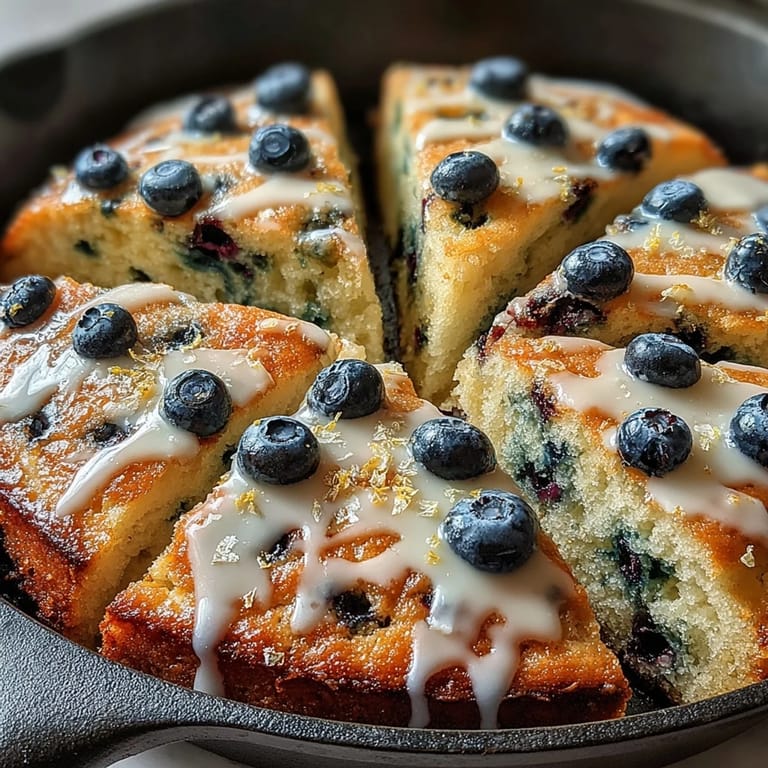
- Whisk powdered sugar with fresh lemon juice until you have a thick but pourable consistency, then drizzle it across the top in loose lines. It should pool slightly but not completely coat the cake, leaving some of that golden surface visible.
- Slice and serve with joy:
- Eat it warm with a fork straight from the skillet, or let it cool completely for a more structured slice. Either way, it's better with whipped cream or vanilla ice cream.
 Save
Save There's something about serving dessert straight from a warm skillet that changes the whole mood of a meal. My daughter, who rarely eats her vegetables but loves helping in the kitchen, asked to make this three times in one month—not because it was easy, but because something about the process of folding in blueberries and watching the icing drizzle felt like real cooking to her.
Why a Skillet Matters Here
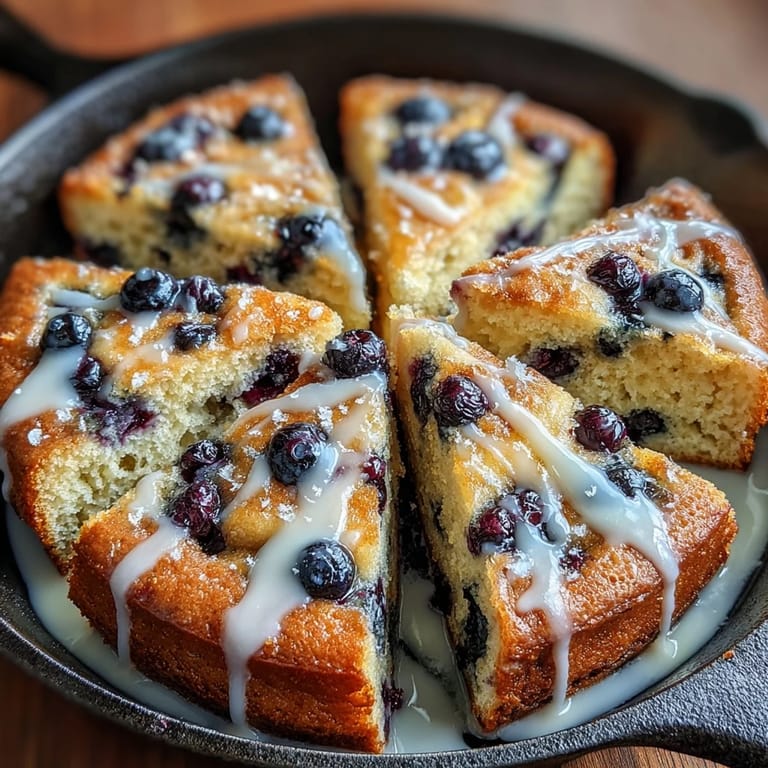
Cast iron holds heat in a way that gives you a cake with a tender crumb but edges that are ever-so-slightly crisped, adding texture you can't quite achieve in a regular round pan. The dark surface also encourages that gorgeous golden-brown color that makes the cake look more impressive than it actually was to make. If you don't have cast iron, a 9-inch round cake pan works fine, though you might lose a tiny bit of that edge contrast.
The Sourdough Starter Secret
Using discard or unfed starter (rather than active, bubbly starter) is actually the move here because you want the tang without aggressive rising. I learned this by accident when I used active starter once and ended up with a cake that rose unevenly and baked too fast on top. Now I save my starter scraps specifically for baking, and it's taught me that sourdough isn't just for bread—it's a flavor ingredient that adds complexity to sweet things.
Variations and Kitchen Moments
One morning I had no blueberries but a bag of raspberries going soft, so I tried that instead and discovered something equally magical—the tartness is even more pronounced and the berries break down slightly, creating little pockets of jammy goodness. Orange zest and juice work beautifully if you want to shift the mood entirely, and I've even made a version with a handful of fresh thyme that confused people in the best way possible. The base recipe is flexible enough that it invites experimentation, but loyal enough that the original never gets old.
- Coarse sugar or sliced almonds scattered on top before baking add a textural contrast that makes every bite interesting.
- A pinch of nutmeg or cardamom can add warmth without overwhelming the citrus notes.
- Store leftovers covered at room temperature for up to two days, and yes, it's somehow even better on day two.
 Save
Save This cake has become the one I make when I want to feel like I'm doing something special but don't want to stress about it. There's real joy in pulling it from the oven still sizzling, watching someone's face light up at that first bite, and knowing you made something delicious from ingredients you probably already had on hand.
Recipe FAQ
- → What makes sourdough starter beneficial in this cake?
It adds depth of flavor and natural leavening, contributing to the moist texture and subtle tanginess.
- → Can I substitute frozen blueberries for fresh ones?
Yes, use frozen blueberries without thawing to maintain texture and prevent excess moisture.
- → What is the best skillet type to use?
A 10-inch oven-safe cast iron skillet is ideal for even baking and a golden crust.
- → How do I ensure the cake stays moist yet fully baked?
Bake until a toothpick inserted in the center comes out clean and avoid overmixing to maintain moisture.
- → Are there flavor variations to try with this cake?
Try substituting orange zest and juice for lemon or add sliced almonds or coarse sugar for added texture.