 Save
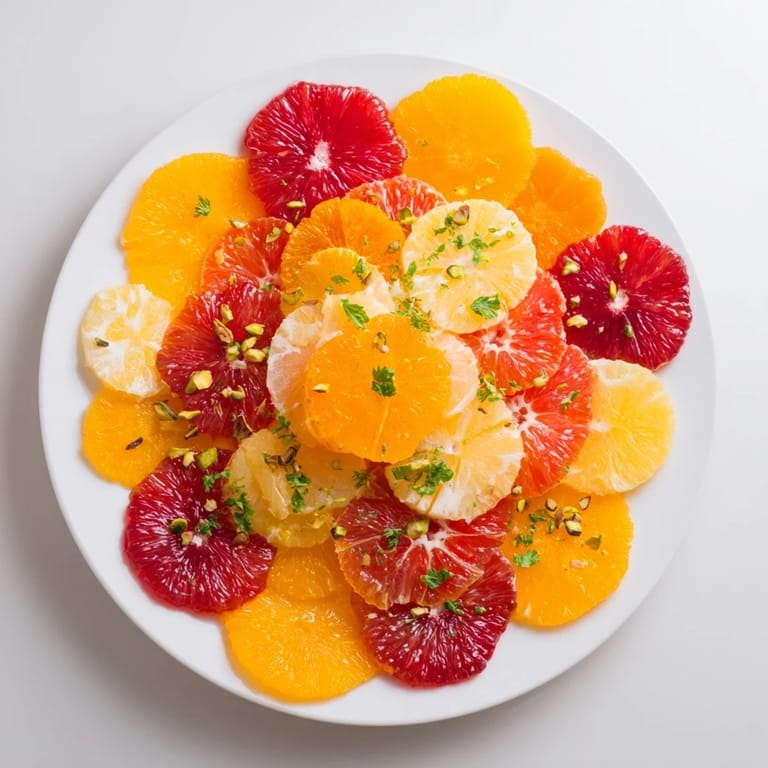
Save Last summer, I was tasked with bringing something memorable to a garden party, and I wanted to create something that would make people smile the moment they saw it. Browsing through my kitchen, I noticed the citrus bowl was overflowing with oranges, lemons, and grapefruits in every shade imaginable, and suddenly the idea struck me: what if I arranged them like a clock face? The cheeses became hands frozen at a whimsical hour, and The Clockwork Orange was born. It's become my go-to when I need something that feels both playful and elegant, requiring barely any cooking but delivering maximum impact.
I'll never forget the moment my friend Sarah walked into the kitchen while I was arranging the final slice. She gasped—actually gasped—and said it looked too beautiful to eat. Of course, within minutes everyone was circling it, picking off citrus slices and nibbling the cheese hands, and the platter became the centerpiece of conversation as much as the food. That's when I realized this dish does something special: it turns a casual appetizer into a moment worth remembering.
Ingredients
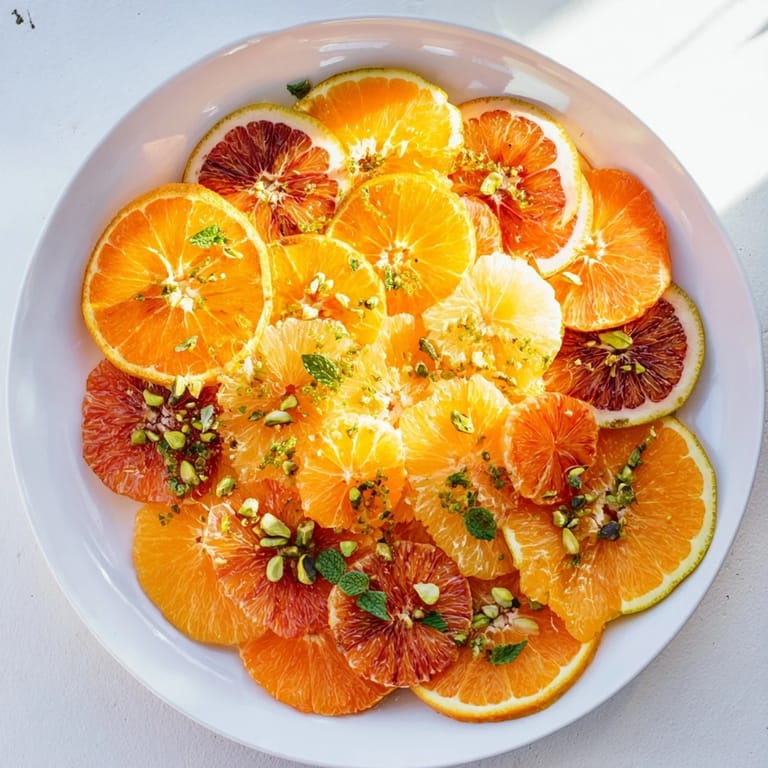
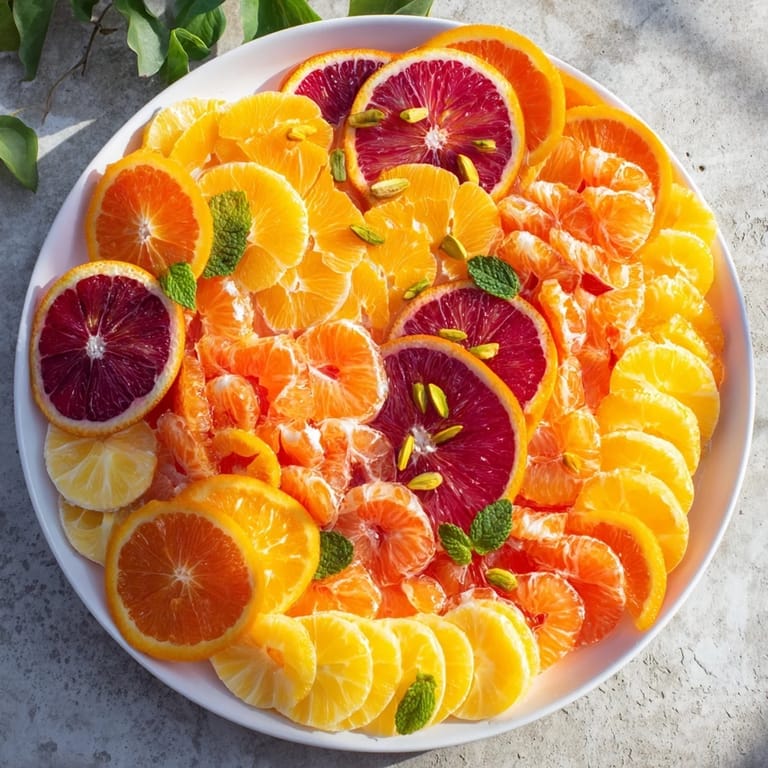
- Large orange: The golden hour of your clock face, providing sweetness and a cheerful hue that anchors the whole arrangement.
- Blood orange: Its deep crimson color creates drama and prevents the board from feeling one-note, plus the flavor is slightly more complex than regular oranges.
- Grapefruit: The pale pink or white sections add textural contrast and a gentle tartness that balances the sweeter citrus.
- Clementines: These smaller, seedless segments become perfect single bites and their bright color fills gaps in your arrangement beautifully.
- Lemon: A touch of sharp acidity that cuts through the richness of the cheese and wakes up your palate between bites.
- Lime: Just a small amount adds complexity and prevents the citrus from feeling predictable.
- Firm goat cheese or manchego: This is what becomes your clock hands, and you want something that holds its shape when cut into strips without crumbling.
- Aged cheddar or gouda: The second cheese adds depth and a slightly sharper note, creating layers of flavor rather than a one-dimensional dairy experience.
- Honey: Drizzled sparingly over the cheese center, it creates a warm bridge between sweet citrus and savory cheese, almost like a small luxury.
- Pistachios or walnuts: A optional sprinkle adds crunch and earthiness that complements the entire flavor profile.
- Fresh mint leaves: These aren't just decoration; they release a subtle fragrance that makes people lean in closer and enhance each bite with cool brightness.
- Crackers or crusty bread: Serve these alongside so guests can build their own flavor combinations if they wish.
Tired of Takeout? 🥡
Get 10 meals you can make faster than delivery arrives. Seriously.
One email. No spam. Unsubscribe anytime.
Instructions
- Slice your citrus into thin, even rounds:
- This is where patience pays off—aim for about quarter-inch thickness so each slice is sturdy enough to stay in place but thin enough to feel delicate on the tongue. A sharp knife and a steady hand make all the difference here; dull knives crush the fruit and release too much juice.
- Arrange citrus slices in a clock pattern:
- Start by placing one slice at 12 o'clock, then work your way around to fill all twelve hours, alternating colors as you go. Step back frequently to see if the arrangement feels balanced; you're aiming for a visual rhythm that feels intentional rather than random.
- Cut and position cheese hands:
- Cut two strips from your firm cheese block, making one slightly longer to be the minute hand and one shorter for the hour hand. Place them at the center pointing to whatever time feels right—I often choose 11:11 because it's playful, but you could mark an actual time that's meaningful.
- Add honey and garnishes:
- Drizzle honey around the cheese hands so it pools slightly at the center, then scatter your nuts and mint leaves over the top. Do this just before serving so everything stays fresh and the honey doesn't start breaking down the cheese.
- Serve with accompaniments:
- Arrange crackers or bread nearby so people can build bites, but honestly many guests will just pick directly off the platter and save the bread for another moment.
 Save
Save What I love most about this dish is how it breaks the unspoken rule that appetizers need to be fussy or complicated. There's something deeply satisfying about creating something stunning through arrangement rather than technique, proving that presentation and thoughtfulness can matter just as much as culinary skill. It's given me permission to be more creative with the simple ingredients I already have.
Playing with Flavor Combinations
While the classic version is beautiful on its own, I've discovered that small tweaks can completely shift the mood. Swapping the goat cheese for creamy brie transforms everything into a more indulgent experience, while blue cheese adds an unexpected savory punch that surprises people in the best way. You could also add paper-thin slices of prosciutto woven between some citrus slices for richness, or scatter edible flowers like pansies or nasturtiums for pure visual theater.
Why This Works for Any Gathering
I've brought this to summer dinner parties, winter celebrations, bridal showers, and even a casual Tuesday night with friends, and it always lands well. The beauty is that it requires zero cooking skills, no special equipment beyond a sharp knife, and ingredients that most well-stocked kitchens already have on hand. It's also the kind of thing that looks incredibly thoughtful without revealing how simple it actually is to make.
Wine and Pairing Wisdom
The interplay of bright citrus and creamy cheese naturally calls for crisp, bubbly beverages, but it's more forgiving than you'd think. A dry Prosecco or Cava keeps everything light and celebratory, while a crisp Sauvignon Blanc adds a subtle herbal note that echoes any mint you've used. Even a sparkling water with a splash of elderflower pairs beautifully for non-drinkers, keeping the experience just as special.
- Never pair this with heavy red wines, which will make the cheese taste flat and the citrus disappear.
- Serve everything well-chilled so the contrast between cold fruit and creamy cheese stays sharp and refreshing.
- If you're hosting indoors, keep the platter in a cool spot away from direct sunlight to prevent the cheese from softening.
 Save
Save This platter has quietly become a signature move, the dish people ask me to bring because they know it will be both beautiful and delicious. It's taught me that sometimes the most memorable food isn't about complexity—it's about taking something simple and presenting it with intention and joy.
Recipe FAQ
- → Which citrus fruits work best for this platter?
Use a variety of citrus like orange, blood orange, grapefruit, clementines, lemon, and lime for color and flavor contrast.
- → What cheeses pair well with the citrus slices?
Firm goat cheese, manchego, aged cheddar, or gouda complement the citrus beautifully by balancing acidity with creamy richness.
- → How should the cheese be prepared for decoration?
Cut the cheese into long, narrow strips and shape two pieces to resemble clock hands placed at the platter's center.
- → Can any toppings enhance the platter’s flavor and appearance?
Drizzling honey over the center and sprinkling chopped pistachios or walnuts adds sweetness and crunch, while fresh mint enhances aroma and freshness.
- → What are good serving suggestions for this platter?
Serve with crackers or crusty bread and consider pairing with a crisp Prosecco or dry white wine for a perfect accompaniment.
- → Are there allergen considerations to keep in mind?
The platter contains dairy and may include nuts if added. Choose gluten-free crackers if needed to accommodate dietary restrictions.