 Save
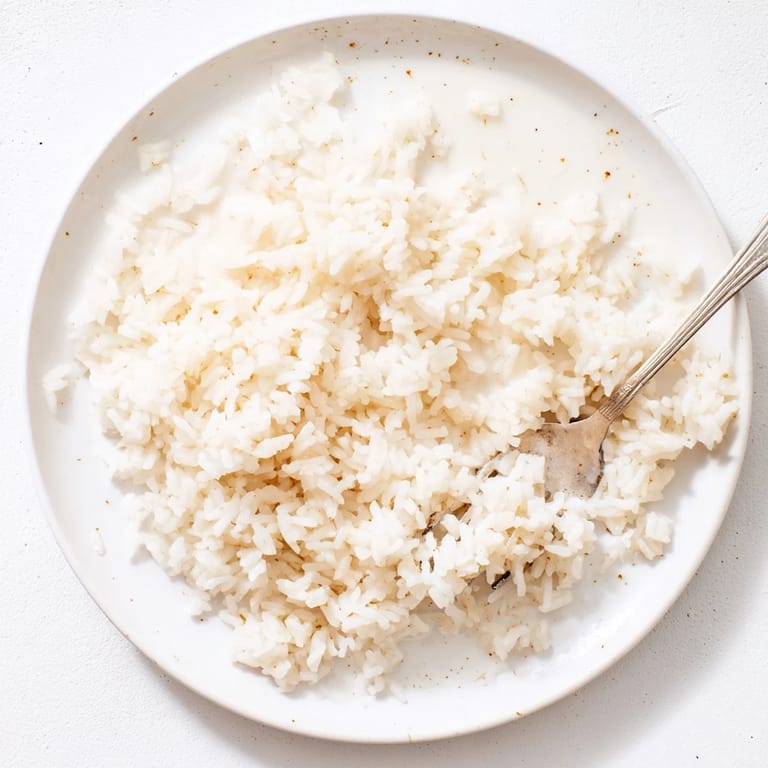
Save The first time I made coconut jasmine rice, I wasn't actually trying to. I'd grabbed a can of coconut milk for something else entirely, only to find myself staring at a pot of plain jasmine rice that needed more than just water. That moment of improvisation turned into something so fragrant and comforting that it became my go-to whenever I wanted something that felt special without the fuss. Now I make it almost weekly, and the smell alone tells me I've made the right choice.
I'll never forget watching my neighbor's face light up when she tasted this at a potluck—she'd been convinced she didn't like rice until that bite. She asked for the recipe three times that evening, and I realized this simple dish had quietly become something people actually got excited about. Now whenever someone comes over for dinner, this is what they request, and I'm always happy to oblige.
Ingredients
- Jasmine rice: One cup of this delicate, naturally perfumed rice is the heart of the dish; the aromatic variety matters here because it already whispers its own story into the pot.
- Coconut milk (full-fat, unsweetened): Use the real stuff in a can, not the watered-down carton version, because that richness is what makes this dish feel indulgent rather than basic.
- Water: One cup keeps the texture fluffy instead of turning everything into porridge, and it lets the coconut milk shine without overwhelming the rice.
- Salt: Half a teaspoon is your unsung hero, brightening all the subtle flavors so nothing tastes flat or one-dimensional.
- Sugar (optional): A teaspoon rounds out the flavors if you want a whisper of extra sweetness, though I often skip it depending on what I'm serving alongside the rice.
Tired of Takeout? 🥡
Get 10 meals you can make faster than delivery arrives. Seriously.
One email. No spam. Unsubscribe anytime.
Instructions
- Rinse and prep your rice:
- Run your jasmine rice under cold water, stirring gently with your fingers until the water runs mostly clear. This step removes the starchy coating that would otherwise make the rice gummy and thick.
- Mix everything in the pot:
- Pour your rinsed rice, coconut milk, water, salt, and sugar (if using) into a medium saucepan and give it a good stir so nothing's clumping at the bottom. This is your moment to catch any grains that are sticking before the heat locks them in place.
- Bring to a gentle boil:
- Set the heat to medium and let the mixture bubble up—you'll notice the aroma starting to fill your kitchen almost immediately. Once you see that gentle rolling boil, you're ready to turn the heat down.
- Simmer low and covered:
- Lower the heat to the gentlest setting, cover the pot tightly with a lid, and let it bubble quietly for 15 minutes. The steam trapped inside is doing all the work, absorbing the liquid and coaxing out that jasmine perfume.
- Rest and fluff:
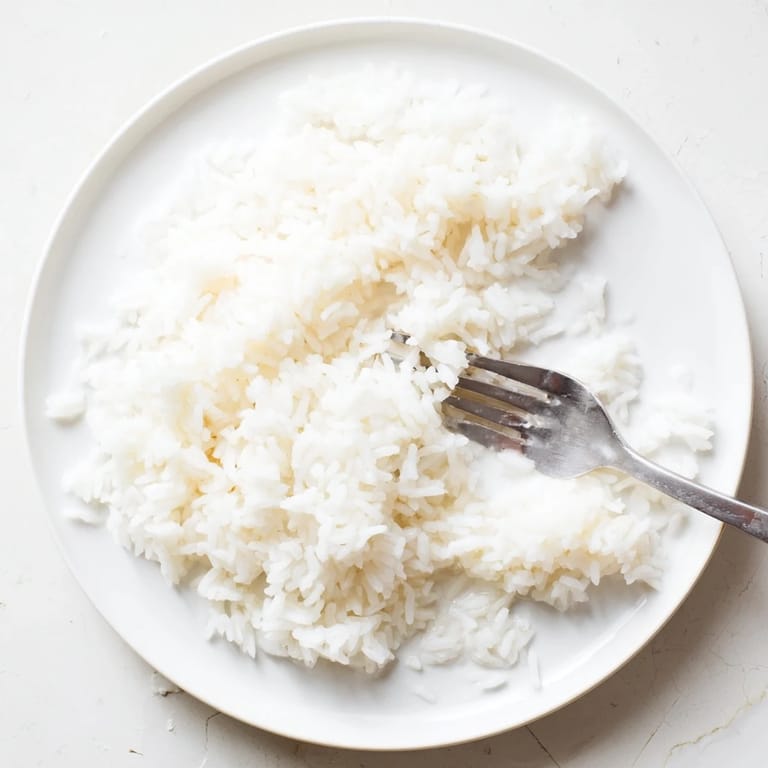
- Remove the pot from heat, keep the lid on, and let it sit undisturbed for 10 minutes—this final steeping makes all the difference in texture. Then take a fork and fluff everything gently, separating any clumps so each grain sits light and separate.
 Save
Save There's something almost meditative about watching steam rise from under that lid, knowing that in just 25 minutes you'll have something that tastes like someone's grandmother spent all day on it. I've served this rice to people who were skeptical about anything beyond basic white rice, and I've watched them go quiet for a moment, really tasting it, before asking for seconds.
Elevating with Optional Additions
Once you've made this basic version a few times, you'll start craving little variations depending on what you're cooking alongside it. A piece of ginger or a pandan leaf simmered in the pot adds a layer of complexity that's subtle but unmissable, and you simply fish them out before serving. I've also experimented with adding a teaspoon of fish sauce—just a whisper of it—and it's somehow made everything taste more like itself, more aromatic, more alive.
Pairing and Serving Ideas
This rice doesn't demand attention, which is exactly why it works so well in a meal. It cradles curry, provides cushion for grilled meats, and lets stir-fried vegetables be the main event while it quietly supports everything from the background. I've learned that the creaminess of this rice means it doesn't need much else on the plate to feel complete and satisfying.
The Coconut Milk Question
The ingredient list feels simple, but there's one choice that changes everything: what kind of coconut milk you buy. I used to grab whatever was on sale until I realized that full-fat, unsweetened version makes an actual difference in how the rice tastes and feels. For a version that feels even more indulgent, you can replace the water entirely with more coconut milk, though I find that pushes it from a side dish into something richer that demands less competition on the plate.
- Always shake the coconut milk can before opening it, because that thick cream on top is where all the richness lives.
- If you can't find full-fat, the lite version still works, though you might want to add just a touch more sugar to compensate for the thinner texture.
- Store any leftover rice in the fridge and gently reheat it with a splash of water—it never tastes quite the same as fresh, but it's still deeply comforting the next day.
 Save
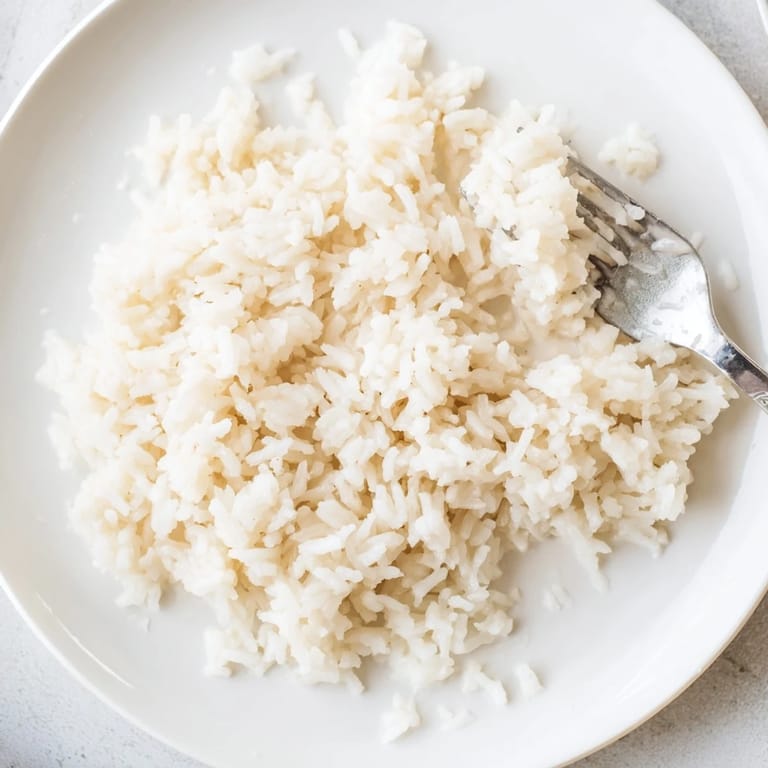
Save This coconut jasmine rice has become my quiet solution for meals that need a touch of elegance without any stress. It's the kind of dish that makes people feel cared for, even when you've barely lifted a finger.
Recipe FAQ
- → What type of rice is best for this dish?
Jasmine rice is ideal due to its delicate floral aroma and slightly sticky texture, which complements the creamy coconut flavors effectively.
- → Can I make this dish richer in coconut flavor?
Yes, replacing the water with additional full-fat coconut milk intensifies the coconut taste and adds creaminess.
- → How can I enhance the aroma of the rice?
Adding pandan leaves or a small piece of ginger while cooking imparts a subtle, fragrant aroma that elevates the dish.
- → Is this side suitable for special diets?
It naturally fits vegan and gluten-free diets, using plant-based ingredients without gluten-containing additives.
- → How do I achieve fluffy, separate grains after cooking?
Allow the rice to sit covered off heat for 10 minutes, then gently fluff with a fork to separate the grains without crushing them.
- → What dishes pair well with this coconut jasmine rice?
This side complements Thai curries, grilled meats, and stir-fried vegetables perfectly, adding a delicate sweetness to savory meals.