 Save
Save I discovered cottage cheese pasta completely by accident when I was scrolling through my phone at midnight, half-awake, and stumbled on this viral video of someone blending cottage cheese into the most impossibly silky sauce. My first thought was skeptical—cottage cheese in pasta?—but something about it stuck with me. A few days later, I had leftover cottage cheese in the fridge that needed using, and I figured, why not test it out? The moment I tasted that first forkful, something clicked. It was creamy, it was protein-packed, and it tasted nothing like what I expected. That happy accident became one of my go-to meals now.
I made this for my roommate one Tuesday evening when she came home exhausted from work, and I watched her face transform the moment she took that first bite. She set her fork down and just said, "Wait, what is this?" When I told her it was cottage cheese, she laughed so hard she almost choked. Now she texts me asking for the recipe whenever she's had a rough day, which tells you something about how comforting this dish actually is.
Ingredients
- Pasta (180 g dried): Use whatever shape you have on hand—penne, rigatoni, or spaghetti all work beautifully, though I find shorter shapes catch the sauce better and make eating less of an adventure.
- Cottage cheese (200 g): This is your star player, and the blending is what transforms it from chunky to cloud-like, so don't skip the food processor even if you're tempted.
- Parmesan cheese (30 g freshly grated): Never use pre-grated here if you can help it—the fresh stuff melts into the sauce like it was meant to be there, while the powdered version sometimes fights you.
- Milk (2 tbsp): This is your control knob for creaminess, and you might need more depending on how thick your cottage cheese is, so keep extra nearby.
- Garlic (1 clove, minced): One clove is enough to whisper flavor without screaming at you, but I've definitely added more when the garlic mood strikes.
- Extra virgin olive oil (1 tbsp): A good quality one makes a difference in the final taste, so don't pour in the cooking oil you use for roasting.
- Black pepper and salt (½ tsp and ¼ tsp): Start with these amounts and taste as you go—seasoning is always personal, and what tastes perfect to me might need adjusting for your palate.
- Italian herbs (½ tsp, optional): Dried herbs here are convenient, but if you have fresh basil waiting in your kitchen, save it for the finish instead.
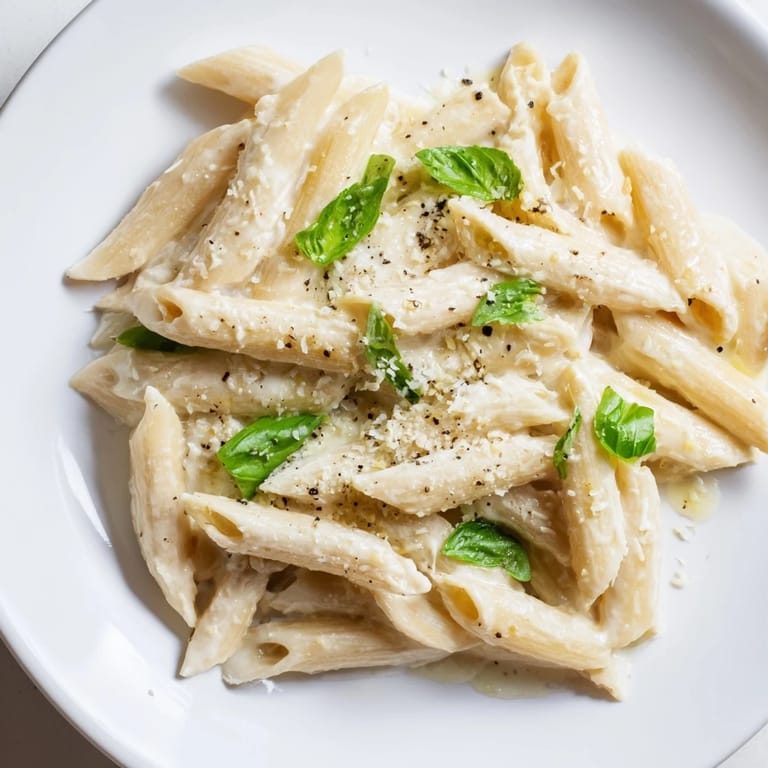
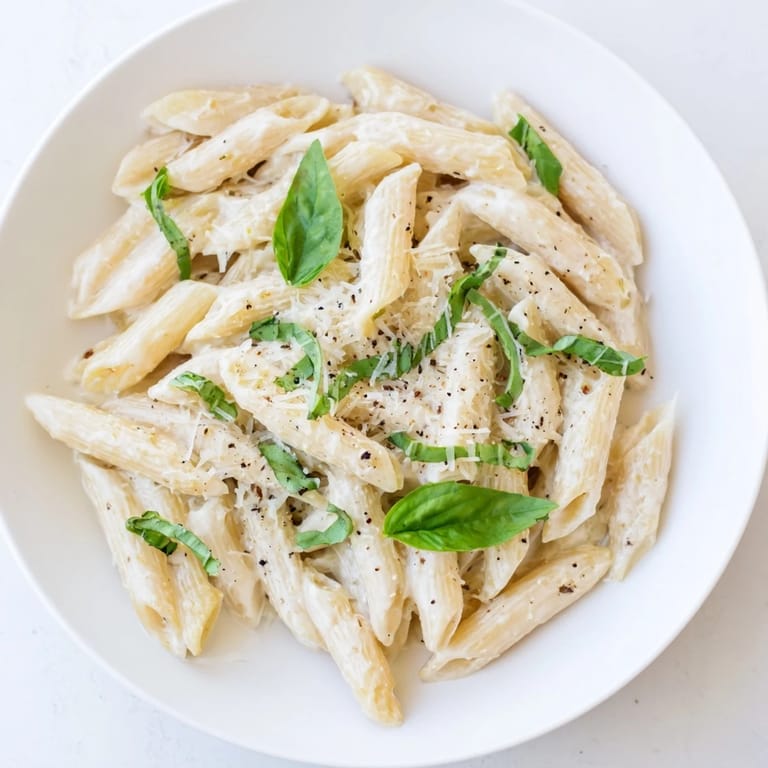
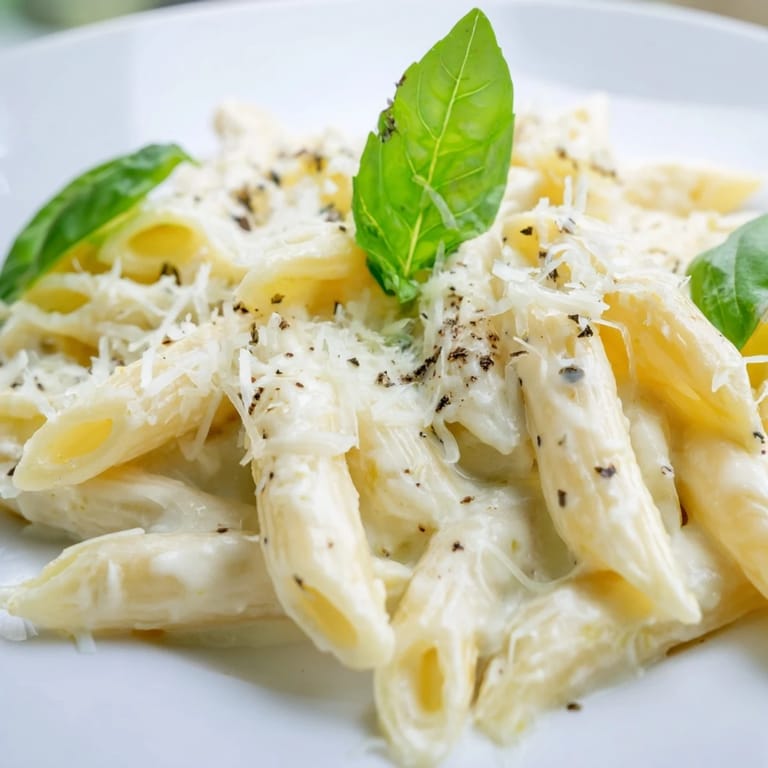
- Fresh basil, extra Parmesan, red pepper flakes (for serving): These finish the dish with color and contrast, turning something simple into something that looks intentional.
Tired of Takeout? 🥡
Get 10 meals you can make faster than delivery arrives. Seriously.
One email. No spam. Unsubscribe anytime.
Instructions
- Get Your Water Ready:
- Bring a large pot of salted water to a rolling boil—the kind of boil that sounds almost angry. The salt matters more than people think because it's the only seasoning the pasta gets, so taste it and make sure it's noticeably salty like the sea.
- Cook the Pasta:
- Add your pasta and stir immediately so nothing sticks to itself. Check the package directions and aim for al dente, which means just barely tender with a little resistance when you bite it. About two minutes before it's done, scoop out a measuring cup of that starchy pasta water and set it aside—this liquid gold is what makes the sauce silky later.
- Build the Sauce:
- While pasta's cooking, add cottage cheese, Parmesan, milk, minced garlic, olive oil, black pepper, salt, and those dried herbs into your blender or food processor. Blend it down until it's completely smooth with no grainy bits visible—this takes about a minute or two, and the transformation from chunky to creamy is honestly satisfying to watch.
- Warm the Sauce Gently:
- Pour your blended sauce into a large skillet over low heat and stir it constantly, watching it warm through without ever bubbling aggressively. If it looks too thick, splash in some of that reserved pasta water or a bit more milk until it flows like it should.
- Bring It Together:
- Drain your pasta and add it to the skillet, tossing everything so the sauce coats every piece. Keep adding pasta water a splash at a time if you want it silkier—this is where you get to control the exact texture.
- Serve Right Away:
- Divide between bowls while everything's still warm and steaming, then scatter torn basil, extra Parmesan, and those red pepper flakes if you want the heat. Eat it immediately because it's best when the sauce is still soft and luxurious.
 Save
Save The thing about this dish is that it proved to me that comfort food doesn't have to be complicated or take hours. I've made it on nights when I barely had energy to cook, and somehow it always feels like more effort went into it than actually did. That's when you know something's a keeper.
Why This Sauce Works So Well
Cottage cheese gets a bad reputation for being chunky and weird on its own, but the moment you blend it with Parmesan and a little milk, something magical happens. The fat from both cheeses emulsifies with the milk into something that coats your pasta like it was meant to be there. I've tried making versions with ricotta and with plain Greek yogurt, and while they're fine, something about the cottage cheese texture specifically creates this exact creaminess you can't quite replicate.
Making It Your Own
The beautiful part about this recipe is that it's a jumping-off point, not a final destination. I've added sautéed mushrooms, roasted cherry tomatoes, spinach, even leftover roasted chicken, and every version feels like a completely different meal. The sauce is neutral enough that it plays well with almost anything you throw at it, which means you can cook this the same way every time but never get bored.
Pairing and Storage
This pasta pairs beautifully with something bright on the side—a crisp green salad with lemon vinaigrette, or even just a simple arugula situation. If you want wine, go for something refreshing like Pinot Grigio or even a light Sauvignon Blanc that cuts through the richness. For storage, leftovers keep in the fridge for about three days, though I always reheat gently with a splash of milk or water to bring the sauce back to its silky self.
- Toss in sautéed mushrooms or spinach to make it feel like a different dish entirely.
- A squeeze of fresh lemon juice at the end brightens everything and cuts through the richness perfectly.
- If you make extra sauce, it freezes beautifully for up to two months, so future you will be very grateful.
 Save
Save This recipe taught me that the best meals aren't always the ones that take the longest or use the fanciest ingredients. Sometimes they're just the ones that taste good, come together quickly, and make you feel taken care of when you sit down to eat.
Recipe FAQ
- → Can I use other types of pasta?
Yes, penne, rigatoni, spaghetti, or any preferred dried pasta work well with this creamy sauce.
- → How do I achieve the right sauce consistency?
Add reserved pasta water or a bit more milk while warming to loosen the sauce for a silky texture.
- → Can I substitute cottage cheese with another ingredient?
Ricotta can be used for a milder, creamier flavor, though it changes the overall texture slightly.
- → Is this dish suitable for vegetarians?
Yes, it contains dairy but no meat, making it appropriate for vegetarian diets.
- → What are some suggested garnishes?
Fresh basil leaves, extra grated Parmesan, and crushed red pepper flakes add flavor and visual appeal.