 Save
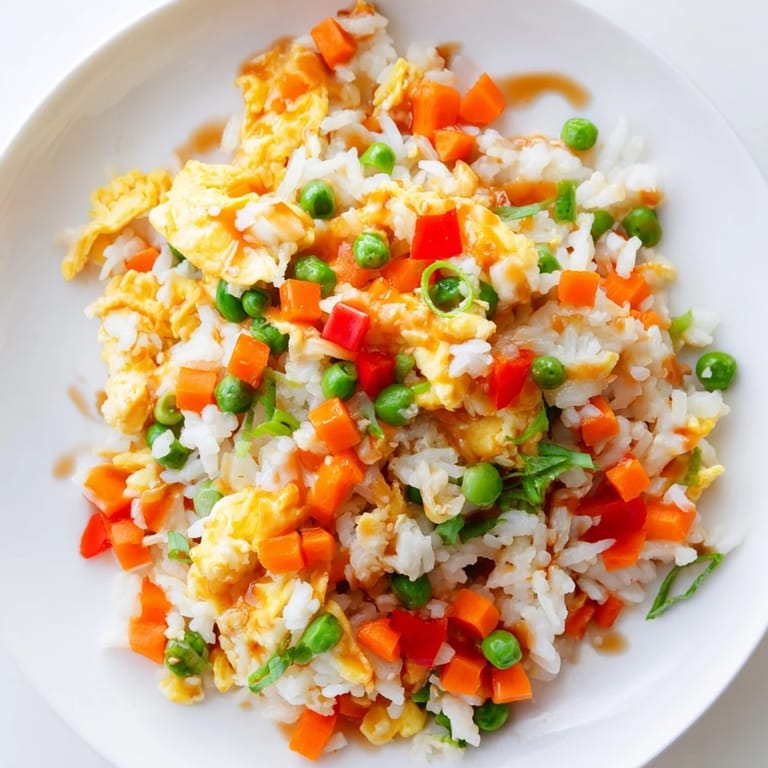
Save There's something magical about the sound of rice hitting a hot wok—that sharp sizzle that tells you everything is about to come together. My roommate once challenged me to make dinner in under twenty minutes with whatever was in the fridge, and egg fried rice became my secret weapon. It's the kind of dish that transforms leftovers into something so good that people ask for the recipe, even though it's mostly just timing and confidence.
I made this for my neighbor who had just moved in, using whatever vegetables we could scrounge up. She took one bite and said it tasted like the street food she'd grown up eating in Taiwan. That's when I realized fried rice isn't about following rules—it's about understanding the rhythm of the pan and trusting your instincts.
Ingredients
- Cooked leftover rice (2 cups, day-old and cold): Cold rice is non-negotiable—hot or freshly cooked rice turns mushy and clumpy, which I learned the hard way my first attempt.
- Large eggs (2): These become the protein and the glue that coats every grain of rice with flavor.
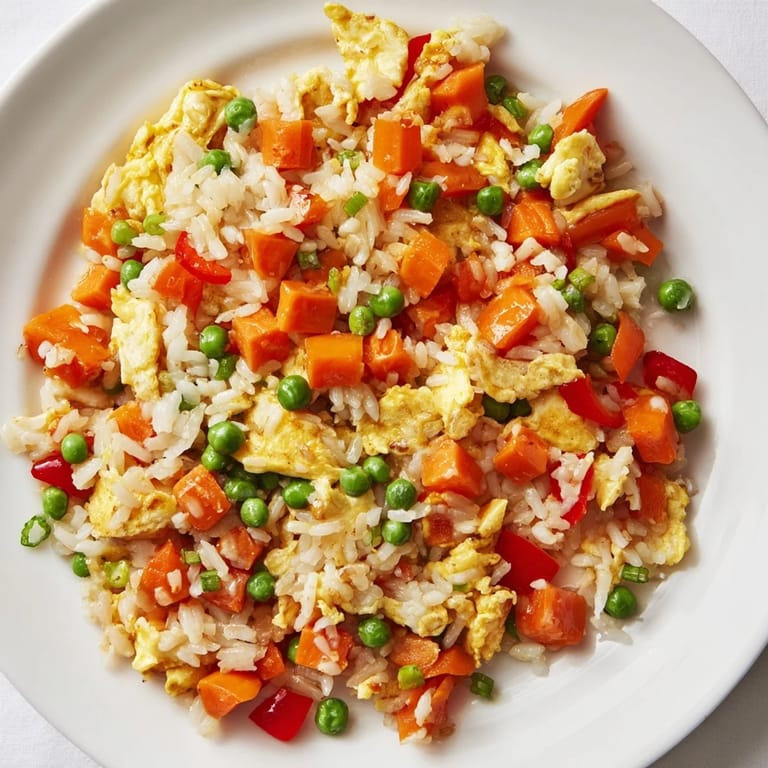
- Diced carrots (1/2 cup): They add sweetness and hold their texture better than softer vegetables.
- Frozen peas (1/2 cup, thawed): Thaw them just before cooking so they stay bright and don't overcook in the pan.
- Chopped scallions (1/4 cup): Split this in half—half goes in during cooking for mild onion flavor, and the rest garnishes at the end for fresh bite.
- Diced bell pepper (1/2 cup, optional): Adds color and a subtle sweetness that rounds out the savory elements.
- Soy sauce (2 tablespoons): This is your salt and umami anchor—taste as you go because brands vary in saltiness.
- Sesame oil (1 teaspoon): A tiny amount goes a long way; drizzle it at the very end to preserve its toasted aroma.
- Ground white or black pepper (1/4 teaspoon): White pepper is traditional and slightly milder, but use what you have.
- Vegetable oil (2 tablespoons): You need neutral oil that can handle high heat without smoking.
- Salt to taste (optional): Adjust at the end once you've added the soy sauce.
Tired of Takeout? 🥡
Get 10 meals you can make faster than delivery arrives. Seriously.
One email. No spam. Unsubscribe anytime.
Instructions
- Prep everything first:
- Dice your carrots and bell pepper into roughly the same size so they cook evenly. Thaw your peas, beat your eggs with a fork until completely mixed, and separate your scallions into two piles—it only takes a minute but saves you from scrambling mid-cook.
- Start with the eggs:
- Heat 1 tablespoon of oil in your skillet or wok over medium-high heat until it shimmers. Pour in the beaten eggs and let them sit for just a few seconds before scrambling quickly—you want soft, fluffy curds, not tiny bits. Transfer them to a plate the moment they're mostly set but still slightly wet.
- Build your vegetable base:
- Add the remaining oil to the pan and immediately add carrots and bell pepper. Stir constantly for about 2 minutes until they're tender-crisp but still have some resistance. You'll hear them sizzle and soften.
- Layer in more vegetables:
- Add the thawed peas and half your scallions, stirring for just 1 minute so the peas warm through without losing their bright color.
- Add the rice:
- Break up any clumps of cold rice with your spatula as it hits the pan—this is crucial for even cooking. Keep stirring and breaking it apart for 2 to 3 minutes until the rice is heated through and every grain is separate and warm.
- Season and finish:
- Drizzle the soy sauce and sesame oil over everything and toss thoroughly so each grain gets coated. Return the cooked eggs to the pan and stir-fry for just another minute so everything melds together. Taste and adjust salt and pepper to your liking.
- Plate and serve:
- Turn it out into bowls or plates, garnish with the fresh scallions you saved, and serve immediately while it's hot and fragrant.
 Save
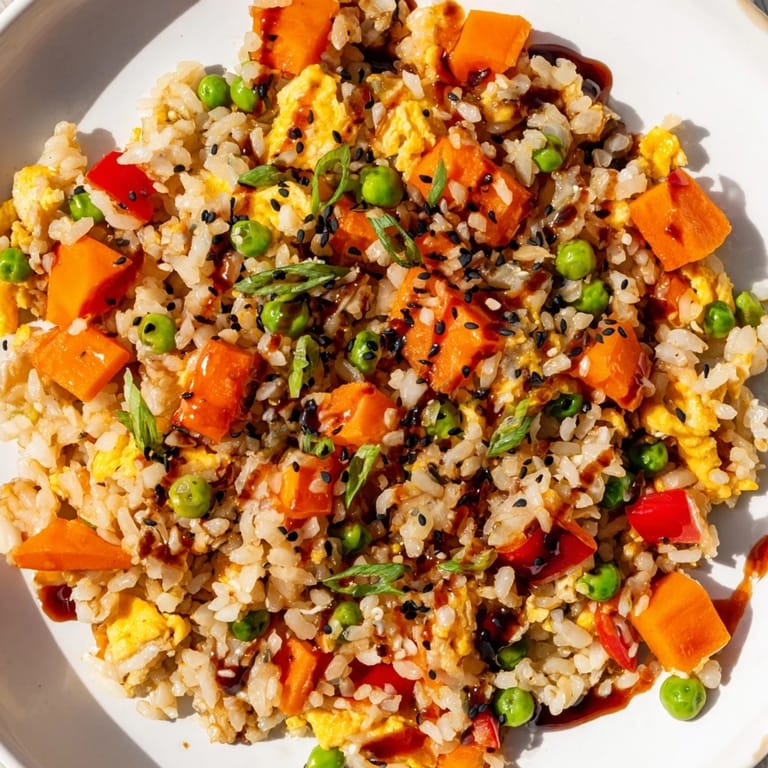
Save There's a moment, right when you add the eggs back in and everything comes together, where the kitchen fills with this nutty, savory aroma that makes you feel like you're cooking something really special. That's when you know you've nailed it.
The Magic of Mise en Place
Having everything prepped before you start cooking transforms this from stressful to joyful. Fried rice happens fast—there's no time to chop once the pan gets hot—so spending five minutes getting your ingredients ready means you can focus on the sounds and smells and actually enjoy the process instead of rushing around looking for the peas.
Vegetable Swaps and Additions
The beautiful thing about fried rice is that it's endlessly flexible. Broccoli florets, snap peas, corn, mushrooms, or even cabbage all work beautifully. The rule is simple: cut everything roughly the same size so it cooks evenly, and add harder vegetables first so softer ones don't turn to mush. I've made this with whatever was hanging out in the back of the crisper drawer and it's always been delicious.
Making It a Full Meal
Two eggs give you protein, but sometimes you want something more substantial. Cooked shrimp, diced chicken, crumbled tofu, or even a spoonful of peanut butter stirred in at the end can turn this from a quick side into a complete dinner. Some of my favorite versions came from saying yes to whatever protein was available rather than sticking rigidly to a recipe.
- Leftover rotisserie chicken shreds in beautifully and adds richness without extra cooking.
- A splash of oyster sauce or fish sauce right at the end deepens the savory notes if you're feeling adventurous.
- Serve with a crispy fried egg on top for restaurant-style presentation that takes exactly thirty seconds.
 Save
Save This is the kind of dish that becomes a comfort without trying. Keep these ingredients around and you'll never face an empty fridge feeling again.
Recipe FAQ
- → Can I use freshly cooked rice for this dish?
Day-old rice works best as it's firmer and less sticky, helping to achieve a better stir-fry texture, but freshly cooked rice can be used if cooled thoroughly.
- → What vegetables work well besides the listed ones?
Vegetables like corn, snap peas, broccoli, or bell peppers add great texture and flavor to this dish.
- → How can I make this dish vegetarian-friendly?
Using vegetarian or gluten-free soy sauce keeps this dish suitable for vegetarian diets while maintaining its savory flavor.
- → Is it possible to add protein to this stir-fry?
Absolutely! Adding cooked chicken, shrimp, or tofu can boost protein content and enhance the dish.
- → What oils are best for stir-frying rice and vegetables?
Vegetable oil or other neutral oils with a high smoke point work best to quickly sauté ingredients without overpowering the flavors.