 Save
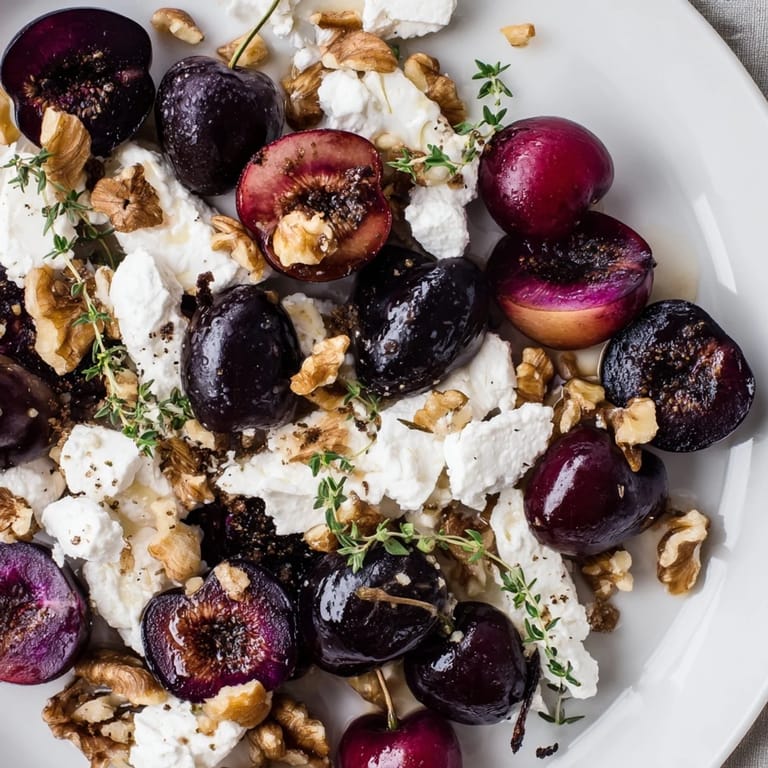
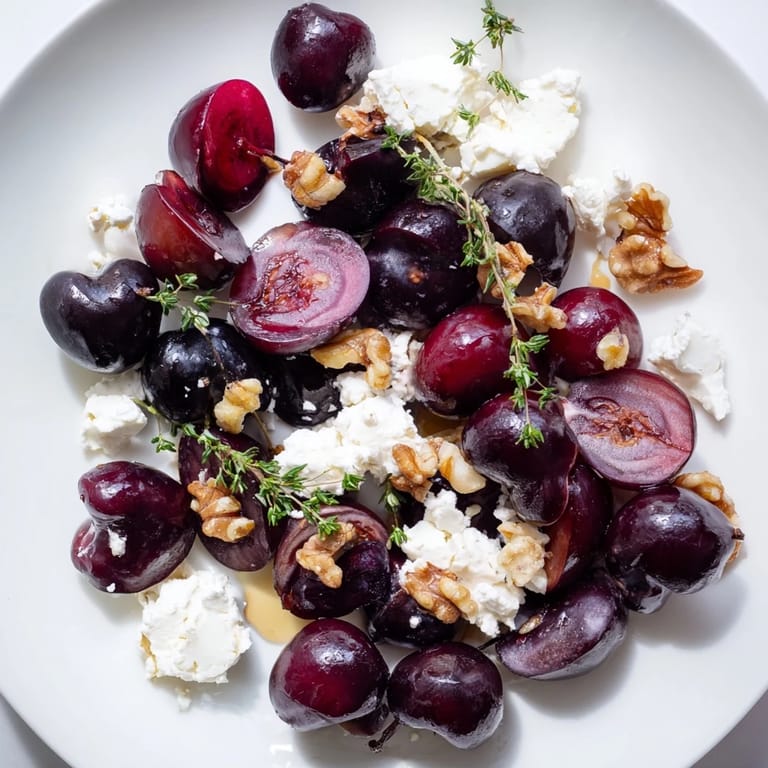
Save I discovered this platter on a late evening when friends were arriving unexpectedly and my refrigerator felt conspicuously empty. Reaching for what I had—dark cherries, a wedge of that dramatic black-ashed goat cheese, and some perfectly ripe plums—I realized that sometimes the most memorable spreads come together in minutes, not hours. The contrast of those deep purples against creamy white felt like something I'd seen in a magazine, yet here it was, born from mild panic and good instincts. That night, the platter became the star, and I stopped apologizing for its simplicity.
The real magic happened when my neighbor tasted this for the first time and immediately asked for the recipe, convinced there was some secret technique involved. I watched her try a bite of cherry with cheese, then plum, then grape, searching for complexity where there was only honest restraint. She went home and made her own version that night, texting me a photo hours later. That's when I understood this wasn't just food—it was permission to stop overthinking.
Ingredients
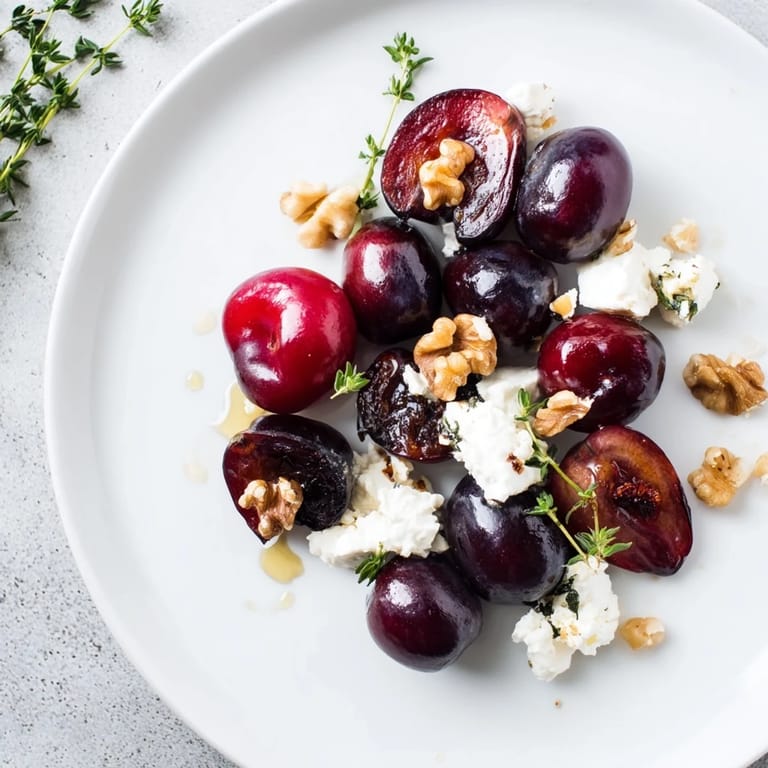
- Dark cherries, pitted and halved (1 cup): Their deep color and slight tartness ground the platter and prevent it from feeling too sweet or one-dimensional.
- Ripe plums, sliced into wedges (2): Choose ones that yield gently to pressure; hard plums taste like disappointment, but ripe ones add a natural juiciness that makes the whole experience feel abundant.
- Purple grapes, halved (1 cup): Halving them feels tedious but changes everything—they release their juices slightly and become easier to pair with cheese without rolling around.
- Black-ashed goat cheese, sliced or crumbled (200 g): This is the anchor that gives the platter its sophistication; the ash adds subtle mineral notes and visual drama you can't fake with regular cheese.
- Toasted walnuts (2 tbsp, optional): A small handful adds crunch and earthiness that deepens your appreciation for how the fruit and cheese dance together.
- Honey (1 tbsp, optional): Use it sparingly—a light drizzle adds complexity without turning this into dessert.
- Fresh thyme sprigs (for decoration): Beyond pretty, thyme's herbal quietness prevents the platter from feeling too dessert-like or too savory.
Tired of Takeout? 🥡
Get 10 meals you can make faster than delivery arrives. Seriously.
One email. No spam. Unsubscribe anytime.
Instructions
- Arrange your fruit with intention:
- Scatter the cherries, plums, and grapes across a large platter, grouping each fruit so they create small islands of color rather than a scattered mess. This matters more than it sounds—your eyes taste first, and grouped fruits feel intentional rather than random.
- Position the cheese strategically:
- Slice or crumble your goat cheese and place it in clusters among the fruit, leaving small pockets of platter visible so nothing feels crowded or heavy.
- Add texture and sweetness:
- Sprinkle walnuts over the platter if using them, then drizzle honey so lightly that it barely pools—you want whispers of sweetness, not puddles.
- Finish with green:
- Scatter fresh thyme sprigs across the platter as if you're decorating rather than garnishing; let them drift naturally rather than placing them formally.
- Serve and let guests explore:
- Bring the platter to the table while everything is still cool and fresh, then step back and watch people discover their own favorite combinations.
 Save
Save I served this at a dinner where the conversation felt stuck, small talk circling like tired dancers. Then someone reached for cherry and cheese together, tasted it, and said something honest about missing simplicity in life. Suddenly everyone was building their own pairings, experimenting, laughing about which combinations surprised them most. Food doesn't always need to perform or impress—sometimes it just needs to give people permission to slow down together.
The Art of Pairing
Once you understand how these four elements talk to each other, you'll find yourself building variations. Tart cherry balances creamy cheese, while sweet plum and mild grape round out the earthiness. The thyme is what I call a whisperer—it doesn't announce itself but changes how everything else tastes by creating complexity in the background. Think of building this platter like conducting a conversation where every voice gets heard but none dominates.
When to Serve This
This platter belongs at evening tables where people are settling in rather than rushing through. It pairs effortlessly with sparkling wine or a light red, and somehow feels appropriate whether you're hosting four friends or starting a larger meal. I've served it as both appetizer and cheese course, and it works equally well as an elegant interlude that forces everyone to pause.
Small Moments That Matter
The details that change everything aren't complicated—they're just about paying attention. A sharp knife makes clean plum slices instead of bruised ones; toasting those walnuts rather than using them raw transforms them from afterthought to essential. The difference between a platter that feels thrown together and one that feels intentional is simply noticing these small choices.
- Toast your walnuts in a dry pan for two minutes if you haven't already—this transforms them from background players into something worth tasting.
- If the goat cheese feels too firm, let it sit on the counter for ten minutes before slicing to make it more yielding and easier to plate.
- Serve this while the room is still relatively cool; warm fruit tastes flat and the cheese sweats if it gets too warm.
 Save
Save This platter taught me that the meals people remember aren't always the complicated ones. Sometimes it's just fruit, cheese, and enough honesty to let good ingredients shine.
Recipe FAQ
- → What fruits are used in the Midnight Orchard platter?
The platter features dark cherries, ripe plum wedges, and halved purple grapes arranged thoughtfully for visual appeal.
- → Can the black-ashed goat cheese be substituted?
Yes, for a vegan or dairy-free option, a plant-based ash-coated cheese can be used as a substitute.
- → What garnish options enhance this dish?
Toasted walnuts add crunch and honey provides a light sweetness. Fresh thyme sprigs add aroma and visual elegance.
- → How should the platter be served?
Serve immediately so guests can create their own pairings with the fruit, cheese, and garnishes for a personalized experience.
- → What are some recommended pairings with this platter?
This platter pairs wonderfully with a dry sparkling wine or a light-bodied red to complement the fruit and cheese flavors.