 Save
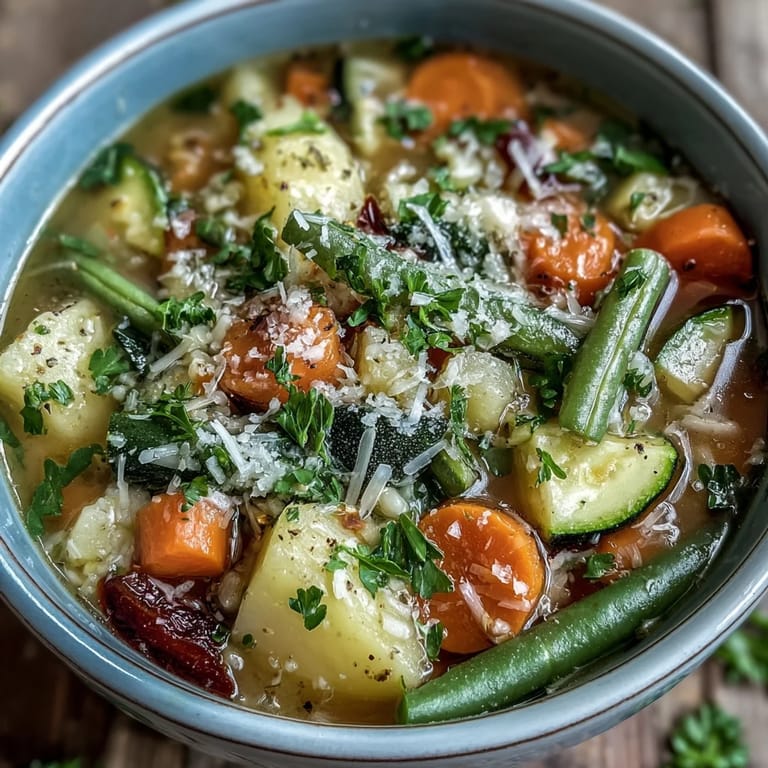
Save My neighbor Maria showed up at my door one crisp autumn afternoon with a container of the most aromatic soup I'd ever smelled, golden vegetables suspended in a broth that somehow tasted both light and deeply satisfying. She set it on my kitchen counter and mentioned casually that the secret was throwing in a Parmesan rind while it simmered, something her nonna had taught her decades ago. That one detail changed how I understood vegetable soup entirely, transforming it from simple to something that felt almost luxurious. I've been making versions of it ever since, and it's become the soup I reach for when I want something that feels like a hug in a bowl.
I made this soup for my book club last winter when everyone was tired and the conversation felt forced, and something magical happened once we started eating. Someone asked what made it taste so full, and I explained about the Parmesan rind trick, and suddenly everyone was leaning forward, asking questions, wanting the recipe. By the end of the night, three people had asked if I could write it down for them, and I realized the soup had done what I couldn't—it brought us all back together.
Ingredients
- Olive oil: Use a good quality one that you actually enjoy tasting, because it's doing real work here in building the flavor foundation.
- Onion, garlic: These two are your aromatic base, and taking time to let them soften properly (not rush) makes an enormous difference in how the whole soup tastes.
- Carrots, celery, zucchini: Keep the dice consistent so everything cooks at the same pace and creates a satisfying texture.
- Potato: This adds body and natural creaminess without any heavy cream.
- Green beans: Fresh or frozen works equally well, and they keep their color better than you'd expect.
- Diced tomatoes: Canned is perfect here—they're already at peak flavor and save you time.
- Vegetable broth: This is where your soup gets its backbone, so don't skimp on quality.
- Freshly grated Parmesan cheese: Never use the pre-grated stuff if you can help it; it won't melt as smoothly and the flavor is muted.
- Parmesan rind: This is the golden ticket—it releases umami and body as it simmers, then you simply fish it out.
- Dried Italian herbs: A measured blend is easier than remembering proportions, but you can use individual herbs if that's what you have.
- Salt, pepper, fresh parsley: These finish the dish and remind everyone that simple seasonings, used well, are everything.
Tired of Takeout? 🥡
Get 10 meals you can make faster than delivery arrives. Seriously.
One email. No spam. Unsubscribe anytime.
Instructions
- Wake up your aromatics:
- Heat the olive oil in a large pot over medium heat, then add your chopped onion and minced garlic. You'll know it's right when the kitchen starts to smell sweet and the onion turns translucent, about 2 to 3 minutes—don't let it brown, just let it soften and release its fragrance.
- Build your vegetable base:
- Add the carrots, celery, zucchini, potato, and green beans, stirring occasionally as they cook for about 5 minutes. This step lets the vegetables start releasing their own flavors into the oil, creating layers before the liquid even goes in.
- Bring it all together:
- Stir in the diced tomatoes with their juice, pour in your vegetable broth, and add the dried herbs, salt, and pepper. If you have a Parmesan rind, drop it in now—it'll quietly work magic while everything simmers.
- Let time do the work:
- Bring the soup to a gentle boil, then lower the heat and cover it. Let it simmer for 25 to 30 minutes until the vegetables are tender and the broth has absorbed all those lovely flavors from the Parmesan rind and herbs.
- Make it creamy:
- Fish out the Parmesan rind with a spoon, then stir in your freshly grated Parmesan cheese until it dissolves completely into the broth, making everything feel silky and rich.
- Taste and adjust:
- This is where you become the chef—taste it and decide if it needs more salt, pepper, or even a pinch more herbs. Trust your instincts here.
- Serve with intention:
- Ladle it into bowls, top each one with a scatter of fresh parsley and extra Parmesan, and watch people's faces light up.
 Save
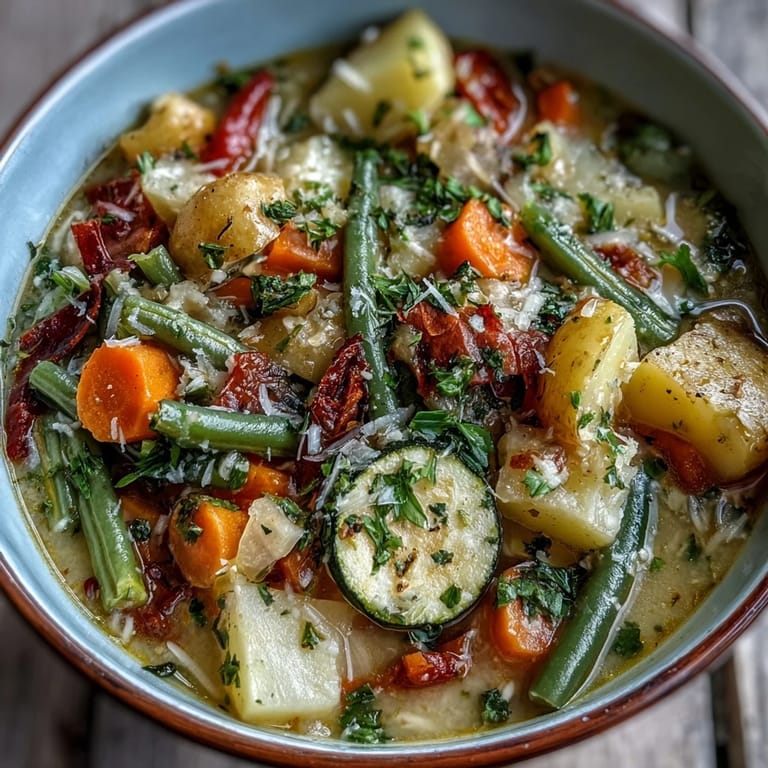
Save There's a moment about halfway through cooking when you lift the lid and the steam rises up carrying this incredible savory aroma, and you realize you've created something real. My daughter once said it smelled like what comfort looks like, and I think that's exactly right—this soup somehow manages to be both nutritious and deeply satisfying, practical enough for a Tuesday night but special enough for people to remember.
Vegetable Flexibility
The beauty of this soup is that it doesn't demand perfection from your vegetable drawer. I've made it with whatever was lingering in the crisper—swapping zucchini for yellow squash, adding an extra carrot when I was short on potatoes, tossing in chopped kale in the last few minutes. The structure of the recipe is strong enough to hold whatever vegetables you have, so don't stress about matching the list exactly.
The Parmesan Rind Secret
Once you understand that a Parmesan rind is basically free flavor waiting to dissolve into your pot, you'll start saving every single one from blocks of cheese. Some people feel strange about this at first, but there's nothing to feel awkward about—it's an ingredient that's meant to be used this way, releasing all its savory potential into whatever it's cooking in. The rind doesn't break down completely, so you'll fish it out and rinse it, and it looks exactly the same as when it went in, which somehow feels like the perfect magic trick.
Making It Your Own
This soup is honest and unpretentious, which means it welcomes your changes without complaint. You can make it heartier by stirring in small pasta or white beans in the last 10 minutes of cooking, creamier by mashing some of the potato against the side of the pot, or entirely plant-based by using a quality vegan Parmesan alternative. The core idea—vegetables, broth, and the umami depth of Parmesan—stays constant while everything else adapts to what you need.
- Pair it with crusty bread that you can use to soak up every last drop of broth.
- Make extra and freeze it in portions, though the vegetables will be softer when reheated, which is perfectly fine.
- Taste it while it's hot, adjust the seasoning one more time before serving, and trust that moment of tasting as your final say.
 Save
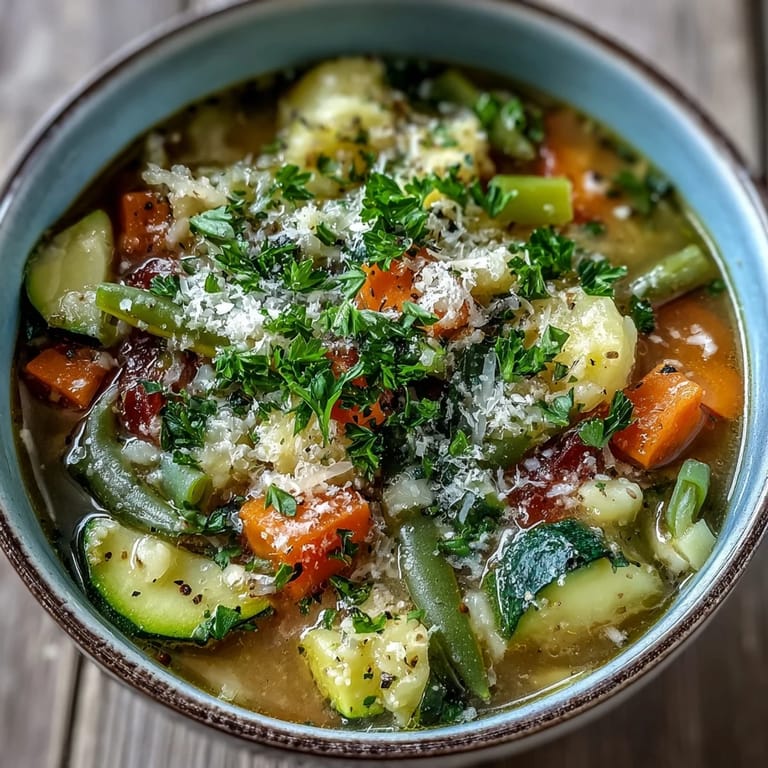
Save This is the kind of soup that quietly becomes part of your regular rotation, the one you make when you want to feel like you're taking care of yourself and the people around you. It asks very little and gives so much in return.
Recipe FAQ
- → Can I make this parmesan soup ahead of time?
Absolutely. This soup actually tastes better the next day as flavors meld together. Store in an airtight container in the refrigerator for up to 4 days. Reheat gently on the stovetop, adding a splash of broth if needed.
- → What vegetables work best in this soup?
The classic trio of carrots, celery, and onion forms the aromatic base. Zucchini, potatoes, and green beans add substance and texture. Feel free to substitute based on seasonality or personal preference.
- → Is the Parmesan rind necessary?
While optional, the rind contributes incredible depth of flavor as it simmers. Most cheese counters sell rinds separately, or save yours when you finish a wedge. Without it, simply add extra grated cheese at the end.
- → Can I freeze this soup?
Yes, though the texture may change slightly. Freeze without the Parmesan stirred in, then add fresh cheese when reheating. Portions keep well for up to 3 months in freezer-safe containers.
- → How do I make this dairy-free?
Replace traditional Parmesan with a plant-based alternative or nutritional yeast for similar umami flavor. The vegetables and herbs still provide plenty of depth and richness.