 Save
Save My roommate convinced me to try protein powder in French toast on a random Tuesday morning, and honestly, I was skeptical until I tasted it. The custard was impossibly rich and creamy, and it kept me full through an entire afternoon of work. Now it's become my go-to when I want breakfast to actually feel like it's working for me, not just tasting good while leaving me hungry an hour later.
I made this for my friend who'd just started weightlifting, and watching her face when she realized it tasted like dessert but had more protein than a chicken breast was worth every minute in the kitchen. She now texts me photos of her attempts, and they're getting better every time.
Ingredients
- Bread: Use brioche if you want pure indulgence or whole grain for staying power—and don't panic about slightly stale bread, it actually soaks up the custard better instead of turning to mush.
- Eggs: These are your base, so fresh ones really do matter for that silky texture.
- Milk: Dairy or almond milk both work; I've found almond makes it slightly lighter without losing that custardy richness.
- Greek yogurt or cottage cheese: This is the secret weapon that transforms regular French toast into something protein-packed and creamy—don't skip it.
- Protein powder: Vanilla blends in invisibly, unflavored keeps things flexible if you want to add cocoa or other flavors later.
- Maple syrup or honey: Just enough sweetness to make the batter taste like breakfast rather than a health shake.
- Vanilla extract: A teaspoon does the heavy lifting here, making everything taste more sophisticated than it has any right to.
- Ground cinnamon: The warm spice that makes people ask what smells so good before they even see the food.
- Salt: A pinch heightens all the other flavors in a way that feels almost magical.
- Butter or coconut oil: For that golden, slightly crispy exterior—butter tastes better, but coconut oil is fine if that's what you have.
Tired of Takeout? 🥡
Get 10 meals you can make faster than delivery arrives. Seriously.
One email. No spam. Unsubscribe anytime.
Instructions
- Mix your custard base:
- Whisk the eggs, milk, yogurt, protein powder, maple syrup, vanilla, cinnamon, and salt together until completely smooth—no powder lumps hiding in the corners. It should taste creamy and slightly sweet, like you're about to make something indulgent.
- Heat your cooking surface:
- Get your skillet medium-hot with half the butter melted and shimmering. You'll know it's ready when a drop of custard sizzles immediately on contact.
- Soak and place:
- Dip each bread slice for 10-15 seconds per side—just long enough for it to absorb the custard without becoming soggy and falling apart. If it seems dry, your bread might be fresher, so give it a couple extra seconds.
- Cook until golden:
- Place the soaked slices on the hot skillet and cook 2-3 minutes per side until the outside is deep golden brown and the center jiggles ever so slightly when you touch it with your spatula. That slight wobble means it's custardy inside, which is exactly what you want.
- Finish and serve:
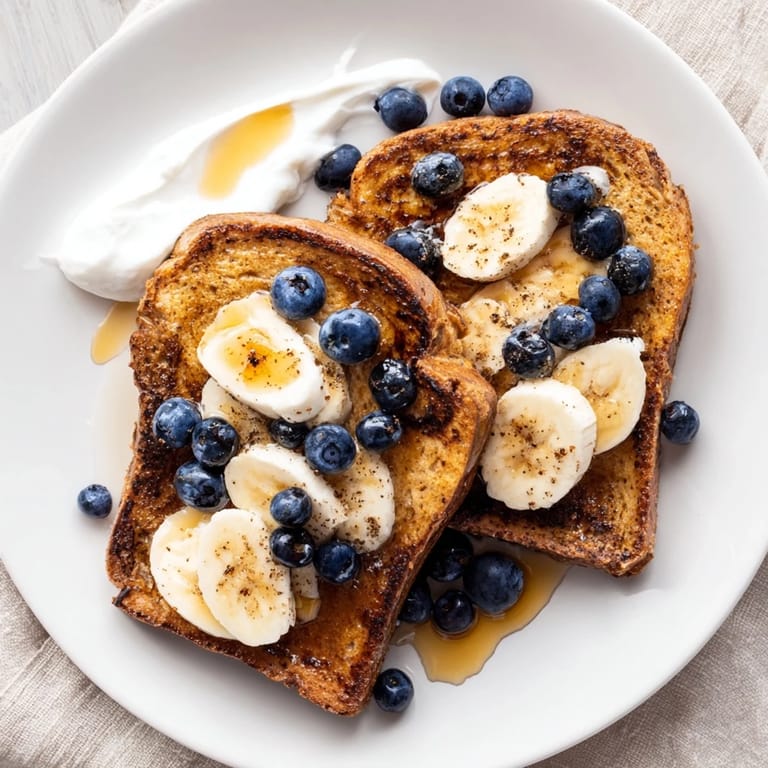
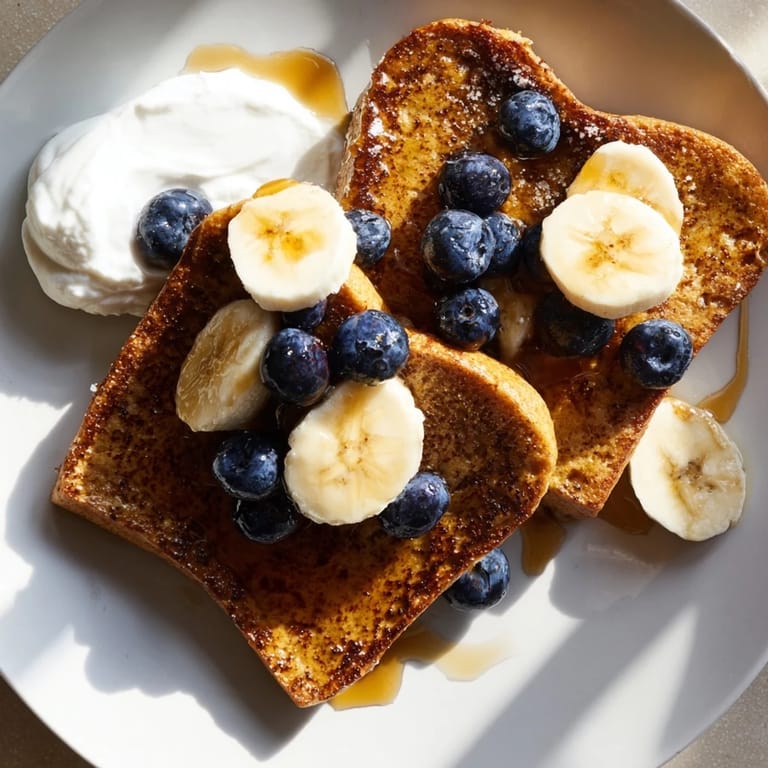
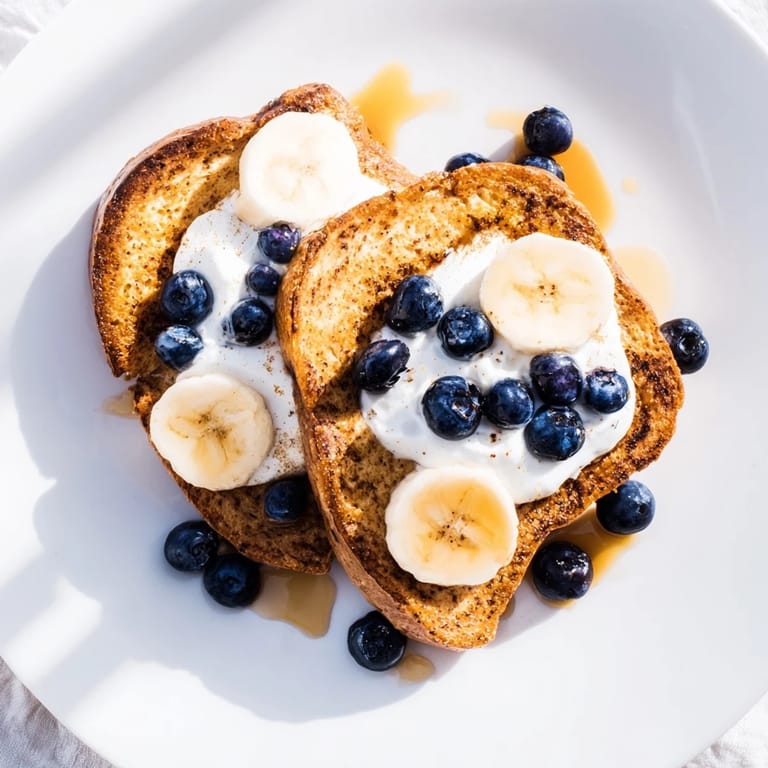
- Transfer to a plate immediately and pile on whatever toppings call to you—fresh berries, bananas, a dollop of yogurt, or just more maple syrup. Eat it while it's still warm, because that's when the texture is at its absolute best.
 Save
Save My neighbor smelled it cooking one morning and suddenly appeared at my door with two plates and a question mark. We ended up having breakfast together, talking about nothing important, and that simple moment made me realize this recipe is as much about sharing as it is about the protein.
The Protein Powder Game
I used to think protein powder made things taste chalky or fake, until I learned that vanilla powder blends in so seamlessly you forget it's there. The yogurt or cottage cheese does most of the heavy lifting in terms of creaminess, while the powder just quietly adds the nutritional backbone. Once I stopped fighting the powder and started working with it, everything clicked.
Bread Matters More Than You Think
The difference between brioche and whole grain is huge—brioche gives you cloud-like texture and richness, while whole grain adds this nutty earthiness that makes the breakfast feel more substantial. Stale bread is actually your friend here because it won't turn to mush in the custard. Fresh, soft bread absorbs too much liquid and gets waterlogged, so if you're using fresh bread, reduce your soaking time by a few seconds.
Making It Work for Your Morning
This recipe doubles beautifully for meal prep—make a batch on Sunday and reheat in a 300-degree oven for about five minutes to restore some of that custardy warmth. Pair it with fruit, nut butter, or just eat it plain if you're rushing out the door. The protein keeps you genuinely full, not that sugar-crash-in-two-hours full that makes you resent your breakfast choice.
- Toast the bread lightly before dipping if you want extra texture without sacrificing the custardy center.
- Cottage cheese makes the batter slightly looser than Greek yogurt, so adjust your soaking time accordingly—test your first slice.
- If you're making this for a crowd, keep the finished toast warm on a sheet pan in a 200-degree oven while you cook the rest.
 Save
Save This breakfast taught me that protein and indulgence aren't enemies—they're just ingredients that needed the right introduction. Make it once and you'll understand why I'm still thinking about it weeks later.
Recipe FAQ
- → What type of bread works best?
Whole grain or brioche bread, slightly stale, absorbs the custard mixture nicely and holds up well during cooking.
- → Can I use dairy-free ingredients?
Yes, substitute milk and yogurt with unsweetened almond milk and dairy-free yogurt for a lactose-free option.
- → How long should the bread soak?
Soak each bread slice for about 10–15 seconds per side to ensure it absorbs enough custard without getting soggy.
- → What toppings complement this dish?
Fresh berries, sliced bananas, extra Greek yogurt, or a drizzle of maple syrup enhance flavors and add texture.
- → Is this suitable for post-workout meals?
Yes, with added protein powder and Greek yogurt, this dish provides muscle-repairing protein and satisfying energy.