 Save
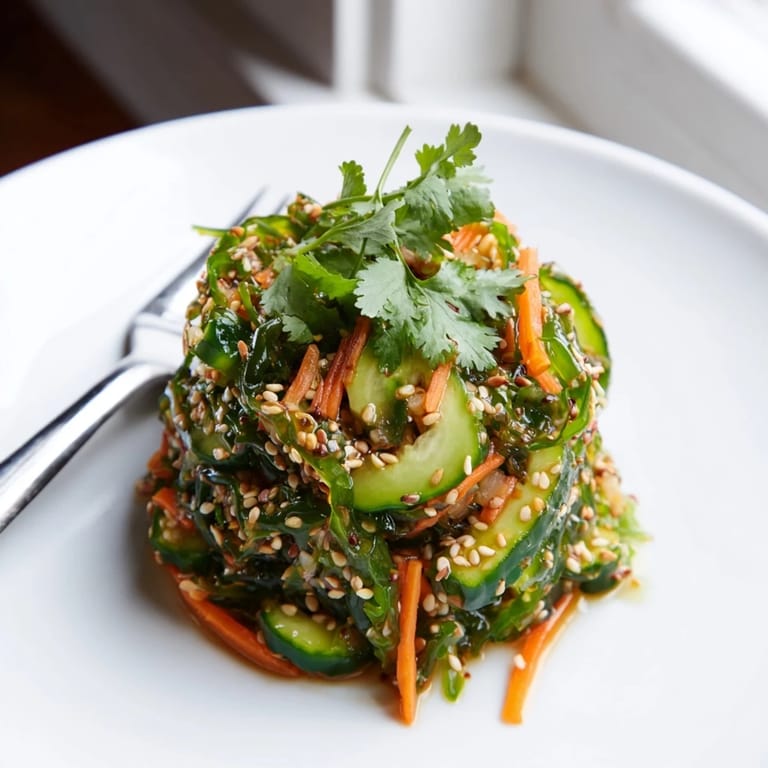
Save I first discovered seaweed salad at a tiny Japanese restaurant tucked behind a bookstore in college. The waitress noticed me eyeing it suspiciously and simply said trust me, bringing over a small complimentary portion. That first bite of cool, slippery seaweed coated in that bright gingery dressing completely rewired my understanding of what salad could be.
Last summer I made this for a rooftop potluck when it was almost too hot to even think about turning on the stove. My friend Sarah, whos sworn she detests anything from the ocean, tentatively tried a small spoonful and went back for thirds. Now she texts me whenever she needs the ratio for the dressing because apparently storebought just does not compare anymore.
Ingredients
- Dried wakame seaweed: This variety expands dramatically when rehydrated, so that small handful transforms into a generous amount. Look for deep green pieces without any brown spots.
- English cucumber: The thin skin and minimal seeds mean you can simply slice it thinly without any peeling or deseeding fuss.
- Carrot: Julienned into thin matchsticks, these add this perfect crunch that plays so beautifully against the tender seaweed.
- Scallions: Both the white and green parts work here, bringing this gentle onion bite that brightens everything.
- Toasted sesame oil: This is absolutely nonnegotiable, that deep roasted flavor is what makes the dressing taste so professional.
- Rice vinegar: Adds a clean acidity that cuts through the rich sesame without being harsh or overpowering.
- Soy sauce or tamari: Tamari keeps it glutenfree while providing that essential savory depth.
- Fresh ginger: Grated fresh makes such a difference here, bringing this spicy warmth that powder just cannot replicate.
- Maple syrup or honey: Just enough to round out the sharp edges and bring all the flavors into harmony.
- Toasted sesame seeds: These get used twice, once whisked into the dressing and again as a garnish for this incredible nutty crunch.
- Chili flakes: Completely optional, but I love that subtle hum of heat in the background.
Tired of Takeout? 🥡
Get 10 meals you can make faster than delivery arrives. Seriously.
One email. No spam. Unsubscribe anytime.
Instructions
- Wake up the seaweed:
- Place the dried wakame in a bowl and cover it generously with cold water. Let it soak for 7 to 10 minutes until it has transformed into these beautiful translucent green strands that have this incredible slippery texture.
- Drain and squeeze:
- Pour the seaweed into a colander and use your hands to firmly squeeze out any excess water. Do not be gentle here, the seaweed can take it and removing the liquid means the dressing will actually cling to each strand.
- Prep the crunch:
- While the seaweed soaks, thinly slice your cucumber into half moons and julienne the carrot into these thin matchsticks. Slice the scallions on a slight bias so they look extra pretty.
- Build the base:
- In a large mixing bowl, combine the rehydrated seaweed with all those gorgeous prepared vegetables. Toss them gently with your hands to start getting everything friendly.
- Whisk the magic:
- In a small bowl, combine the sesame oil, rice vinegar, soy sauce, grated ginger, maple syrup, sesame seeds, and chili flakes if you are using them. Whisk until the mixture has emulsified into this gorgeous glossy dressing.
- Dress and serve:
- Pour the dressing over the salad and use tongs or your hands to toss everything until each piece is lightly coated. Transfer to a serving bowl and scatter those extra sesame seeds on top along with any fresh herbs you are using.
 Save
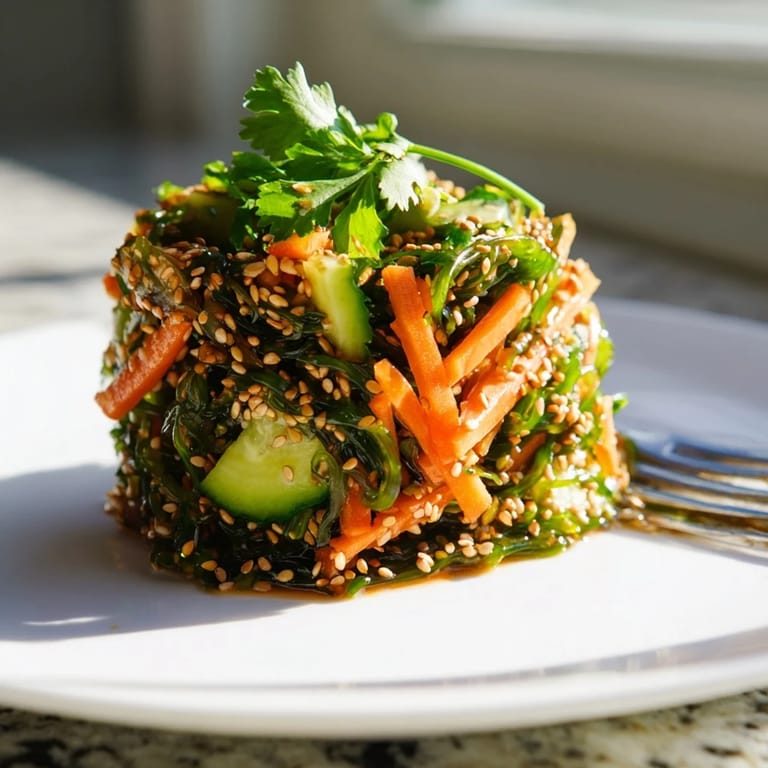
Save My grandmother tried this recipe once and immediately asked for the jar of sesame oil so she could start making it for her weekly bridge club. Something about how the cool crisp vegetables play against that rich dressing just speaks to everyone, regardless of whether they think they like seaweed.
Getting the Right Texture
The key here is not oversoaking the seaweed, it should be tender but still maintain some structure. Oversoaked wakame turns into this slippery mush that just does not hold up to the crisp vegetables. Think al dente pasta, you want that slight resistance when you bite down.
Make It Your Own
Once you have the basic dressing down, this salad becomes this incredible canvas. I have added thinly sliced radish for extra peppery bite, shredded red cabbage for color, and even edamame for protein. The dressing works beautifully with whatever crunchy vegetables you have in the fridge.
Perfect Pairings
This salad is this stunning counterpoint to rich foods, which is probably why it is so ubiquitous in Japanese cuisine alongside tempura and grilled meats. The cool acidity cuts through fried food in the most perfect way.
- Try it alongside miso glazed salmon for this complete meal that feels incredibly restaurant quality.
- It works beautifully as part of a larger spread with other cold appetizers like cold tofu or pickled vegetables.
- Chilled sake or a crisp white wine with some mineral notes makes the most perfect companion.
 Save
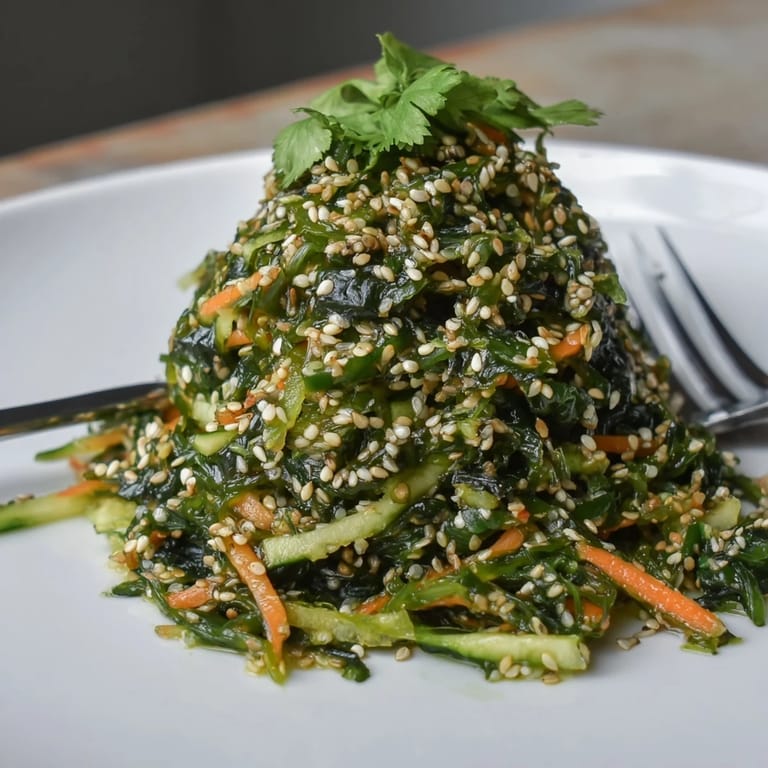
Save Keep a bag of dried wakame in your pantry and this recipe becomes your secret weapon for those nights when you need something impossibly fresh but have zero energy to cook.
Recipe FAQ
- → What type of seaweed works best?
Dried wakame seaweed is ideal for this salad. It rehydrates quickly, becomes tender, and has a delicate flavor that pairs perfectly with the sesame-ginger dressing. You can find it in most Asian grocery stores or the international aisle of well-stocked supermarkets.
- → How long does seaweed salad last?
This salad stays fresh for up to 2 days when stored in an airtight container in the refrigerator. The vegetables may release some moisture over time, so it's best enjoyed within the first day for optimal texture and crunch.
- → Can I make this gluten-free?
Absolutely. Simply substitute regular soy sauce with tamari, which is naturally gluten-free. Double-check that your dried seaweed and other ingredients are certified gluten-free if you have severe dietary restrictions.
- → What can I add for extra texture?
Thinly sliced radish, shredded red cabbage, or even edamame beans add wonderful crunch and color. You can also sprinkle extra toasted sesame seeds or crushed nori sheets on top for additional texture and umami flavor.
- → Is seaweed salad served warm or cold?
This dish is traditionally served chilled. After tossing with the dressing, refrigerate for 15–30 minutes to let the flavors meld. The cold temperature enhances the refreshing qualities and makes it an ideal warm-weather side dish.
- → Can I adjust the spice level?
Certainly. The chili flakes are optional, so you can omit them entirely for a mild version or increase the amount for more heat. You can also add a dash of sriracha or chili oil to the dressing if you prefer a different type of spiciness.