 Save
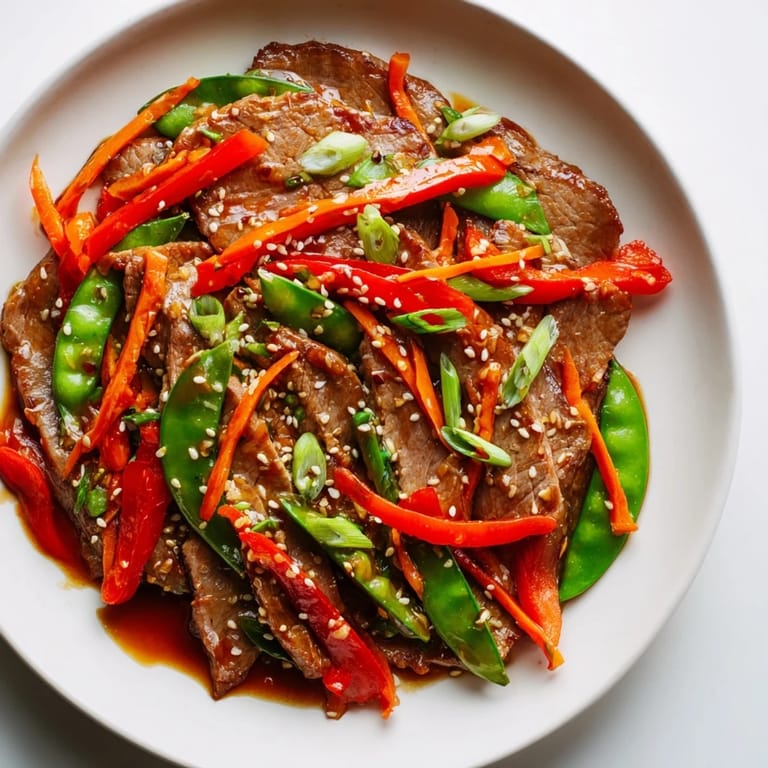
Save One weeknight last spring, I was staring into my fridge with twenty minutes to spare before everyone got hungry. I had pork tenderloin, some wilting vegetables, and a vague memory of a teriyaki sauce my neighbor once mentioned. What came together in that wok was pure luck turned into dinner gold. The smell of garlic and ginger hitting hot oil filled the kitchen so fast my daughter appeared asking what smelled so good. That night, this stir-fry became our go-to rescue meal.
I remember making this for my brother when he visited in July. He usually orders Chinese food three times a week, and I wanted to prove homemade could compete. He stood by the stove watching the sauce thicken, skeptical at first, then quiet. When he asked for seconds, I knew I had won. We ended up talking over empty bowls long after the rice cooled, something that rarely happens when takeout boxes sit between us.
Ingredients
- Pork tenderloin (450 g, thinly sliced): This cut stays tender and cooks fast, but slice it thin against the grain or it can turn chewy if overcooked.
- Red bell pepper (1, sliced into strips): The sweetness here balances the salty soy sauce, and it adds a pop of color that makes the dish feel alive.
- Snap peas (1 cup, trimmed): They give you that crisp bite in every forkful, just make sure not to overcook them into mush.
- Carrot (1 medium, julienned): Thin strips cook evenly and add a slight earthiness that rounds out the sweeter notes.
- Green onions (3, sliced): Half goes in during cooking for flavor, the rest on top for a fresh, sharp finish.
- Garlic (2 cloves, minced): This is where the fragrance starts, and fresh garlic makes all the difference over the jarred kind.
- Fresh ginger (1 tsp, grated): A little ginger wakes up the whole dish, but grate it fine so you do not bite into a chunk.
- Low-sodium soy sauce (60 ml): Controls the salt level so the sauce does not overpower the natural sweetness of the pork and vegetables.
- Mirin (60 ml): This sweet rice wine gives the sauce its signature glaze, and I have never found a substitute that works quite as well.
- Brown sugar or honey (2 tbsp): Either works, but honey adds a floral note I like when I am feeling fancy.
- Rice vinegar (1 tbsp): Just enough acid to keep the sweetness from feeling heavy.
- Cornstarch (1 tbsp): Mixed with cold water, this is what thickens the sauce into that glossy coat you see in restaurant stir-fries.
- Sesame oil (1 tsp): A little goes a long way, adding a nutty warmth that lingers after each bite.
- Vegetable oil (2 tbsp): High smoke point, neutral flavor, and it keeps everything moving in the wok without burning.
- Toasted sesame seeds (1 tbsp, optional): They add a gentle crunch and a toasted aroma that makes the dish feel finished.
Tired of Takeout? 🥡
Get 10 meals you can make faster than delivery arrives. Seriously.
One email. No spam. Unsubscribe anytime.
Instructions
- Mix the teriyaki sauce:
- In a small bowl, whisk together soy sauce, mirin, brown sugar, rice vinegar, cornstarch, water, and sesame oil until the cornstarch dissolves completely. Set it aside so the flavors can mingle while you prep everything else.
- Cook the pork:
- Heat one tablespoon of vegetable oil in a large wok or skillet over medium-high heat until it shimmers. Add the pork slices in a single layer and let them sear without moving for about a minute, then stir-fry for another two to three minutes until browned and just cooked through. Transfer the pork to a plate and do not worry if it looks a little pale, it will finish cooking later.
- Stir-fry the vegetables:
- Add the remaining oil to the same pan, then toss in the bell pepper, snap peas, and carrot. Stir-fry for two to three minutes, keeping them moving so they stay crisp-tender and bright. The sound of vegetables hitting hot oil is one of my favorite kitchen noises.
- Add aromatics:
- Toss in the garlic, ginger, and half the green onions, stirring constantly for about thirty seconds until the smell hits you and fills the whole room. Do not let the garlic burn or it will taste bitter.
- Bring it all together:
- Return the pork to the pan, give the teriyaki sauce a quick stir to recombine the cornstarch, then pour it over everything. Toss everything together and cook for one to two minutes, stirring constantly, until the sauce thickens and clings to every piece. You will know it is ready when the sauce looks glossy and nothing is pooling at the bottom.
- Finish and serve:
- Remove the pan from heat, sprinkle with sesame seeds and the remaining green onions, and serve immediately over steamed rice or noodles. The first bite is always the best when everything is still hot and the sauce has not had time to soak in too much.
 Save
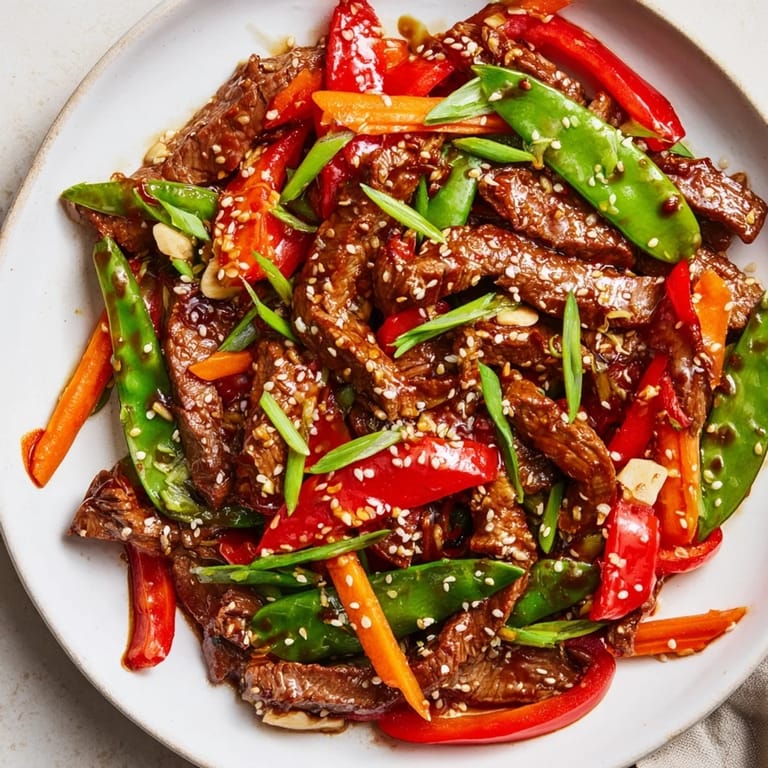
Save There was a night in October when my friend came over stressed from work, and I made this without asking what she wanted. She sat at the counter watching me chop and stir, and by the time I plated it, she was smiling again. She told me later it was not just the food, but the rhythm of watching someone cook something simple and good. That is when I realized this dish was more than just dinner, it was a way to care for people without making a big deal out of it.
Serving Suggestions
I almost always serve this over jasmine rice because the grains soak up the extra sauce without getting mushy. Sometimes I will toss it with rice noodles or even soba if I want something different, and it works beautifully. A side of steamed bok choy or a quick cucumber salad with rice vinegar keeps things light and crisp. If you have leftover stir-fry, it reheats surprisingly well in a hot pan with a splash of water to loosen the sauce.
Customization Ideas
This recipe is forgiving enough to handle whatever you have on hand. I have swapped the pork for chicken thighs, shrimp, or even firm tofu, and each version has its own charm. Broccoli, mushrooms, zucchini, or bok choy all work if you want to bulk up the vegetables, just adjust the cooking time so everything stays crisp. If you like heat, a pinch of red pepper flakes or a drizzle of chili oil at the end adds a nice kick without overwhelming the teriyaki sweetness.
Storage and Meal Prep
Leftovers keep in an airtight container in the fridge for up to three days, and I have eaten them cold straight from the container more times than I will admit. If you are meal prepping, cook the pork and vegetables but keep the sauce separate, then combine and reheat everything in a hot pan when you are ready to eat. You can also prep all your ingredients the night before, store them in separate containers, and the actual cooking will take less than fifteen minutes.
- Slice the pork and vegetables ahead of time and store them in the fridge so dinner comes together in a flash.
- Make a double batch of the teriyaki sauce and keep it in a jar for up to a week, it works on grilled chicken and roasted vegetables too.
- Freeze cooked stir-fry in individual portions, then reheat in a skillet with a little water to bring back the moisture.
 Save
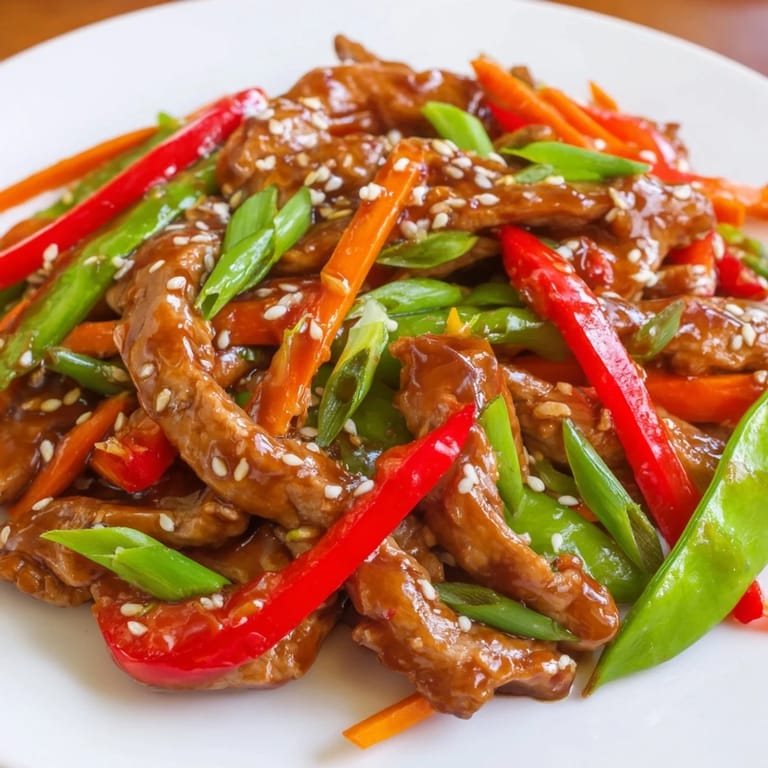
Save This stir-fry has become the meal I make when I want to feel capable in the kitchen without spending an hour there. It reminds me that good food does not have to be complicated, just honest and made with a little attention.
Recipe FAQ
- → What cuts of pork work best for this dish?
Pork tenderloin is ideal due to its tenderness and quick cooking time, but pork loin slices can also work well.
- → Can I use other vegetables in this stir-fry?
Yes, broccoli, mushrooms, or bok choy are great additions or substitutes to enhance the vegetable variety.
- → How do I achieve the glossy texture of the sauce?
Mixing cornstarch with cold water into the sauce before adding ensures a thick, shiny glaze that coats the ingredients nicely.
- → Is there a way to make this stir-fry gluten-free?
Substitute traditional soy sauce with tamari or other gluten-free alternatives to maintain flavor without gluten.
- → What is the best way to serve this dish?
Serve immediately over steamed rice or noodles to soak up the flavorful sauce and maintain the crispness of the vegetables.