 Save
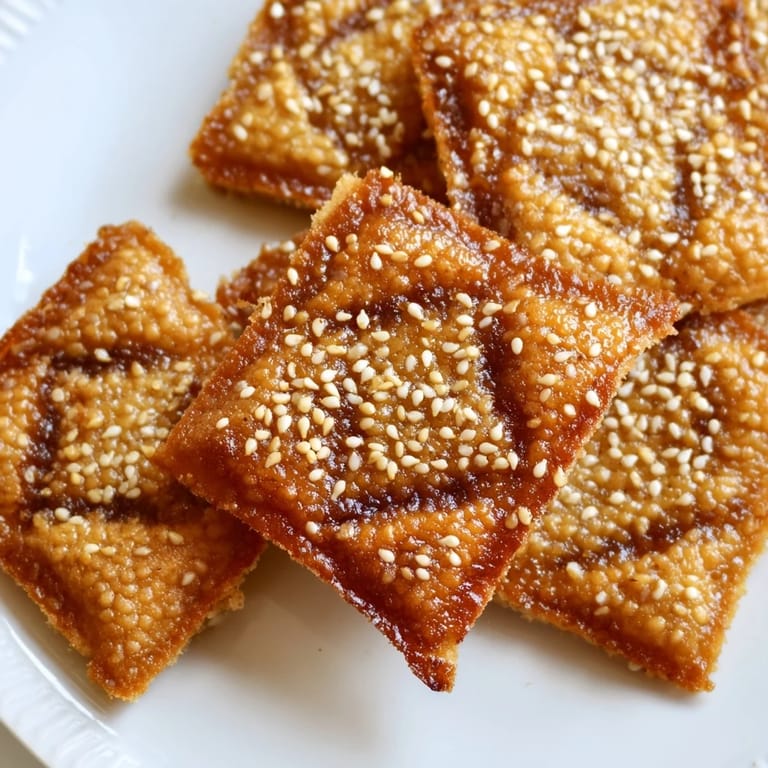
Save I stumbled onto makroudh by accident one winter afternoon, browsing a North African grocer near my apartment. The owner was nibbling on one behind the counter, and when I asked what it was, she simply handed me a piece without a word. The first bite was a revelation: crisp semolina shell, warm spiced dates, and a faint floral sweetness I couldn't quite place. I bought a box on the spot and spent the next week trying to reverse-engineer them in my kitchen.
The first time I made these for a dinner party, I panicked halfway through shaping because the dough kept cracking. My friend Nadia, who grew up in Tunis, calmly told me to stop fussing and just pinch it closed. She was right. No one noticed the imperfect seams once they were fried and glossy with honey. We ate them warm that night, and I've never looked back.
Ingredients
- Fine semolina: The foundation of the dough, it gives makroudh their signature grainy texture and golden color when fried.
- Unsalted butter (melted): Adds richness and helps the semolina bind without making the dough greasy.
- Olive oil: A touch of fruity oil keeps the dough tender and contributes to that crumbly, melt-in-your-mouth quality.
- Warm water: Just enough to bring the dough together, add it slowly so you don't end up with a sticky mess.
- Granulated sugar: A small amount sweetens the dough subtly, letting the date filling shine.
- Salt: Balances the sweetness and deepens the overall flavor.
- Ground cinnamon (for dough): A whisper of warmth that plays beautifully with the dates.
- Pitted dates (chopped): The heart of the cookie, choose soft Medjool or Deglet Noor for the best paste.
- Unsalted butter (for filling): Helps the dates cook down into a smooth, spreadable mixture.
- Ground cinnamon (for filling): Deepens the spice profile and makes the filling irresistible.
- Ground nutmeg: A pinch adds complexity and a hint of earthiness.
- Orange blossom water: This is the secret floral note that makes makroudh unmistakable, but you can skip it if you prefer.
- Vegetable oil (for frying): A neutral oil that can handle high heat without smoking.
- Honey: The glaze that transforms fried semolina into something glossy and irresistible.
- Orange blossom water (for syrup): Reinforces that delicate fragrance in the final glaze.
- Sesame seeds: Optional, but they add a lovely nutty crunch and visual appeal.
Tired of Takeout? 🥡
Get 10 meals you can make faster than delivery arrives. Seriously.
One email. No spam. Unsubscribe anytime.
Instructions
- Prepare the date filling:
- Combine dates, butter, cinnamon, and nutmeg in a saucepan over low heat, stirring until the dates break down into a thick paste, about 5 minutes. Stir in orange blossom water if using, then let the mixture cool before rolling it into thin logs about 1 cm thick.
- Make the dough:
- Mix semolina, sugar, salt, and cinnamon in a large bowl, then pour in melted butter and olive oil, rubbing with your fingertips until it looks like wet sand. Gradually add warm water, kneading gently until you have a soft, pliable dough, then cover and let it rest for 20 minutes.
- Shape the cookies:
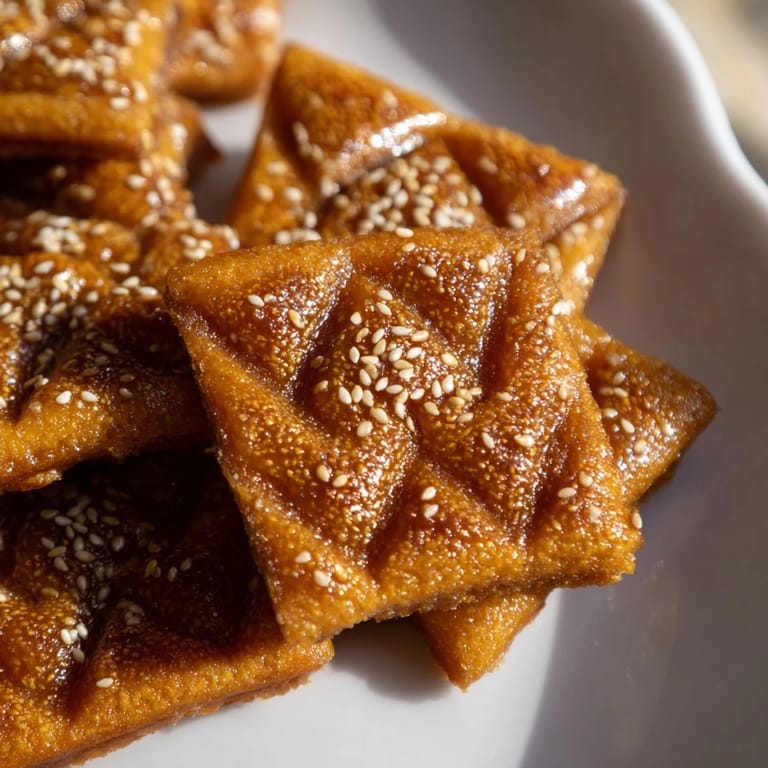
- Divide the dough into 2 portions and roll each into a log about 5 cm thick, then use your finger to create a deep groove lengthwise. Lay a date log into the groove, fold the dough over to seal, roll gently to smooth, flatten slightly, and cut diagonally into diamond shapes about 4 to 5 cm each.
- Fry and glaze:
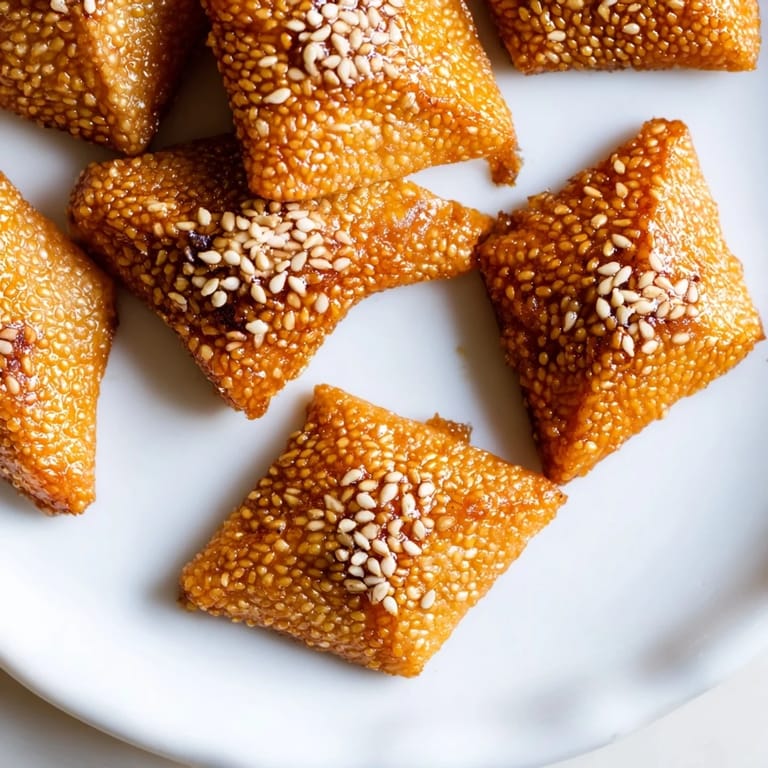
- Heat vegetable oil to 170°C and fry the makroudh in batches until golden on all sides, about 5 to 7 minutes, then drain on paper towels. Warm honey with orange blossom water, dip each cookie into the syrup, and let them cool on a wire rack before sprinkling with sesame seeds if desired.
 Save
Save Last spring, I brought a tray of makroudh to a potluck, and my neighbor from Morocco said they reminded her of her grandmother's kitchen. We sat on the porch, dipping them in mint tea and swapping stories about the sweets we grew up with. That's when I realized these cookies are more than a recipe, they're a bridge between kitchens and memories.
How to Store and Serve
Makroudh keep beautifully in an airtight container at room temperature for up to a week, and honestly, they taste even better after a day or two when the syrup soaks in. I like to serve them with strong mint tea or black coffee, the bitterness cuts through the honey glaze perfectly. If you want to get fancy, warm them gently in the oven for a few minutes before serving, it brings back that just-fried crispness.
Variations and Substitutions
If you want a lighter version, skip the frying and bake them at 180°C for 25 to 30 minutes until golden, then dip in syrup while still warm. You can swap orange blossom water for rose water or leave it out entirely if floral flavors aren't your thing. Some cooks add a handful of toasted almonds or walnuts to the date filling for extra texture, and it's absolutely worth trying.
Common Mistakes to Avoid
The biggest mistake is adding too much water to the dough, it should hold together but still feel crumbly and tender, not sticky. Another pitfall is skipping the resting time, those 20 minutes let the semolina absorb the liquid and make shaping so much easier. Finally, don't rush the frying, patience is key to getting that perfect golden crust without a raw center.
- Always test the oil temperature with a small piece of dough before frying the whole batch.
- Let the date filling cool completely before shaping or it will be too soft to handle.
- Use a sharp knife to cut clean diagonal shapes, a dull blade will squish the dough.
 Save
Save Every time I make makroudh, I'm reminded that the best recipes are the ones that slow you down and ask you to pay attention. These cookies reward patience, and they're worth every sticky finger and every minute spent shaping. I hope they find a place in your kitchen too.
Recipe FAQ
- → What gives the cookies their crisp texture?
The fine semolina combined with melted butter and olive oil creates a dough that crisps nicely when fried or baked.
- → Can I bake the pastries instead of frying?
Yes, baking at 180°C (350°F) for 25–30 minutes results in a golden crust while maintaining flavor, followed by dipping in honey syrup.
- → What spices enhance the date filling?
Cinnamon and nutmeg add warm, aromatic notes that complement the natural sweetness of the dates.
- → How is the honey glaze prepared?
Honey is gently warmed with orange blossom water, then used to coat the pastries, adding sweetness and shine.
- → Are there any common allergens in these pastries?
They contain gluten from semolina and dairy from butter; there may also be traces of nuts depending on date processing.