 Save
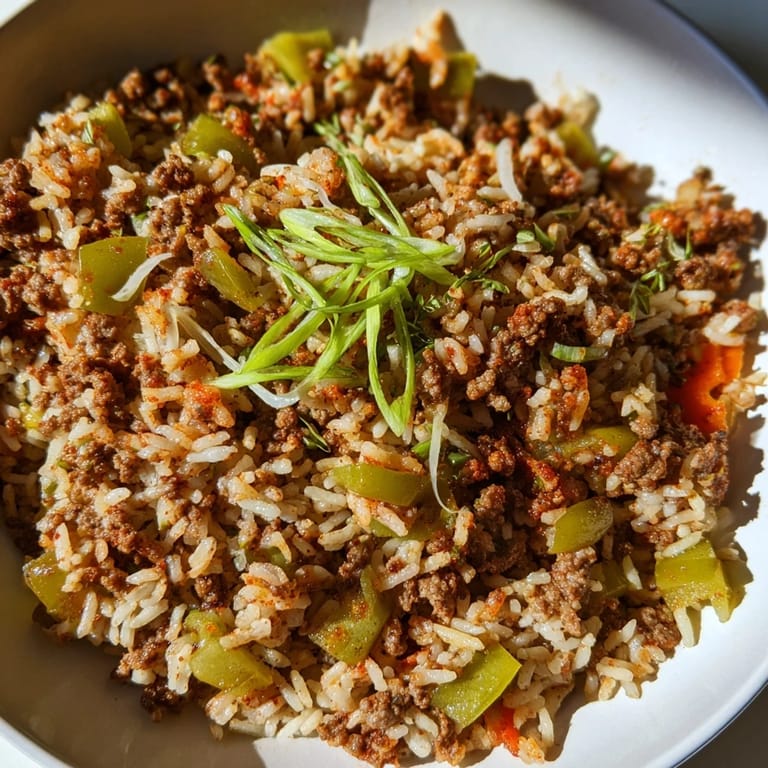
Save My uncle pulled me into his kitchen one humid August afternoon, the air already thick with heat, and insisted I watch how he made his dirty rice—the kind that fed a whole table of cousins and their stories. He never measured anything precisely, just threw handfuls of vegetables into a cast-iron skillet that had probably seen fifty years of cooking, and told me the secret was in letting the meat and spices get to know each other first. I burned my tongue on the first spoonful because I couldn't wait, and he laughed so hard he had to sit down. That dish became the thing I made when I wanted to feel like I was back in that kitchen, even when I was cooking alone.
I made this for my roommate on a Tuesday night when he'd had a rough week, and watched his whole face change at first bite. He went back for seconds without asking, then thirds, and suddenly we were sitting in that kitchen way past bedtime just talking. Food has a way of doing that—turning an ordinary evening into something that sticks with you.
Ingredients
- Ground pork: 225 g (1/2 lb)—this is your savory backbone, and browning it deeply gives you those rich flavors that make the dish sing.
- Ground beef or chicken livers: 225 g (1/2 lb)—traditional versions use chicken livers for an earthy depth, though beef works just fine if that's what you have on hand.
- Onion: 1 medium, finely chopped—the flavor foundation that softens and sweetens as it cooks.
- Green bell pepper: 1, diced—adds a gentle vegetal brightness that balances the spice.
- Celery stalks: 2, diced—this is part of the holy trinity of Cajun cooking, and it matters.
- Garlic cloves: 3, minced—use fresh and don't skimp; it becomes mellow and sweet as it mingles with everything else.
- Long-grain white rice: 200 g (1 cup), rinsed—rinsing removes excess starch and helps the rice cook up fluffy and distinct.
- Chicken broth: 480 ml (2 cups)—this carries flavor into every grain, so use something with real taste.
- Vegetable oil: 2 tbsp—neutral and perfect for getting the meat to that golden-brown stage.
- Cajun seasoning: 1 1/2 tsp—the bold heart of this dish; if you make your own blend, all the better.
- Dried thyme: 1/2 tsp—adds an earthy whisper underneath the spice.
- Smoked paprika: 1/2 tsp—brings a subtle smokiness that makes people ask what that flavor is.
- Salt: 1/2 tsp—taste as you go, since broths vary in saltiness.
- Black pepper: 1/4 tsp—freshly ground if you have a mill, for a sharper bite.
- Cayenne pepper: 1/4 tsp, optional—add this only if you want the heat to announce itself.
- Spring onions: 2, sliced—these go on at the very end, a fresh finish that cuts through the richness.
Tired of Takeout? 🥡
Get 10 meals you can make faster than delivery arrives. Seriously.
One email. No spam. Unsubscribe anytime.
Instructions
- Get your pan screaming hot and brown the meat:
- Set a large skillet or Dutch oven over medium-high heat and add oil. Once it shimmers, add both the pork and beef (or livers), breaking everything into small pieces as it cooks. You want the meat to turn deep golden-brown, not just gray—that takes about 6 to 7 minutes and makes all the difference in flavor.
- Bring in the vegetables and let them soften:
- Toss in the onion, bell pepper, celery, and garlic all at once. The pan will sizzle and fill with aroma, and in about 5 minutes these vegetables will start to turn translucent and tender. This is where the magic really begins.
- Add all the spices and toast them together:
- Sprinkle in the Cajun seasoning, thyme, smoked paprika, salt, black pepper, and cayenne if you're using it. Stir everything until the spices coat the meat and vegetables, releasing their oils and warmth. You'll smell it change—that's how you know it's working.
- Toast the rice in the spiced mixture:
- Add the rinsed rice and stir everything together, letting it sit in the hot pan for 1 to 2 minutes. This toasting step coats each grain and gives the finished dish a subtle nuttiness.
- Pour in the broth and bring it all together:
- Add the chicken broth and stir gently. Bring everything to a boil, then reduce the heat to low, cover the pan, and let it simmer untouched for 20 to 22 minutes. Resist the urge to peek; steam is doing important work inside.
- Rest and fluff:
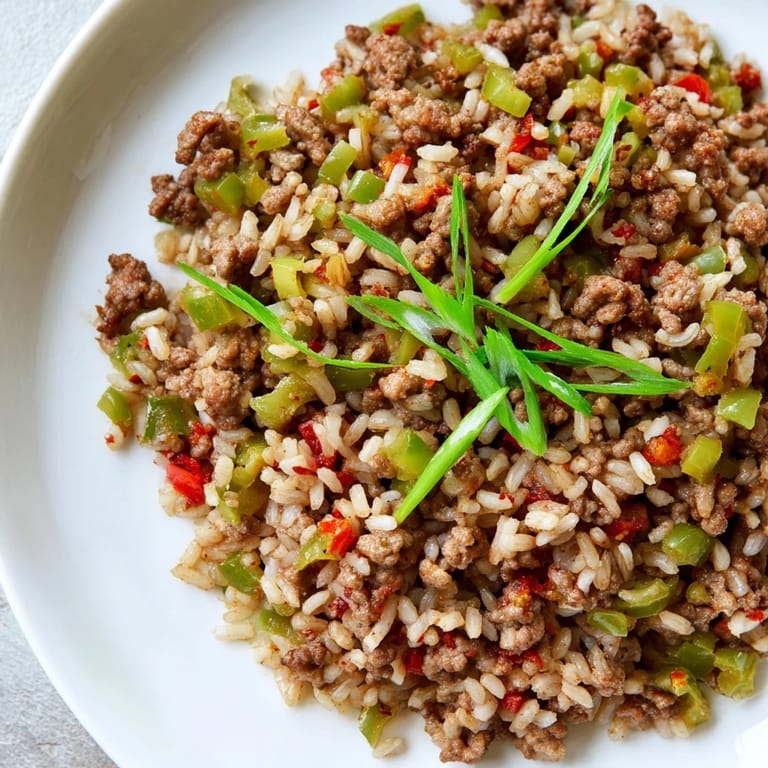
- When the time is up, remove the pan from heat but leave it covered for 5 minutes. This final rest lets the rice relax and absorb any remaining liquid. Then fluff everything gently with a fork, breaking up any clumps.
- Finish with a bright garnish:
- Scatter the sliced spring onions over the top just before serving. They add a fresh bite that reminds you this dish is alive and vibrant.
 Save
Save The first time I made this without my uncle watching, I realized the dish wasn't just about feeding people—it was about giving them a moment where everything else could wait. That's when cooking stops being a task and becomes something that matters.
The Soul of Cajun Cooking
Dirty rice sits at the heart of Louisiana cooking because it's honest and practical. The vegetables, the meat, the spices—nothing is wasted, and nothing is fancy. What makes it special is the way these simple things transform when they're cooked with intention and flavor. Every element here has a reason to be, and together they create something that's warm and grounding.
Making It Your Own
This recipe is a foundation, not a rule. Some people add chopped parsley at the end for freshness, others throw in diced tomatoes for a bit of acid, and a few brave souls add a splash of hot sauce right into the pot. I've seen it made with andouille sausage when meat is what's on hand, and it's always delicious. The point is to start here and then trust what your kitchen tells you.
Serving and Pairing
Dirty rice doesn't need much—it's already complete as it is. A cold beer or a crisp white wine cuts through the richness beautifully, and a simple green salad on the side adds balance if you want it. Some people serve it with hot sauce on the table so everyone can add their own heat, which feels generous and friendly.
- Have hot sauce available on the table so people can adjust the heat to their liking.
- If you have leftovers, this reheats beautifully in a skillet with a splash of water to loosen it up.
- Make a double batch; it freezes well and tastes even better the second time around.
 Save
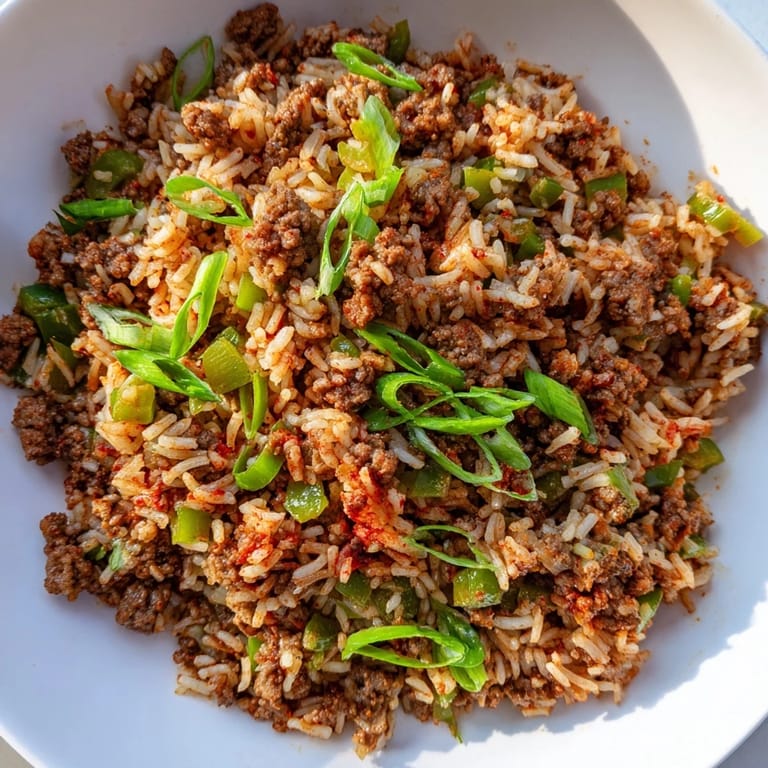
Save This dish has fed me through homesick nights, lazy weekends, and meals shared with people who became friends over the table. It's the kind of food that earns its place in your regular rotation because it never gets old.