 Save
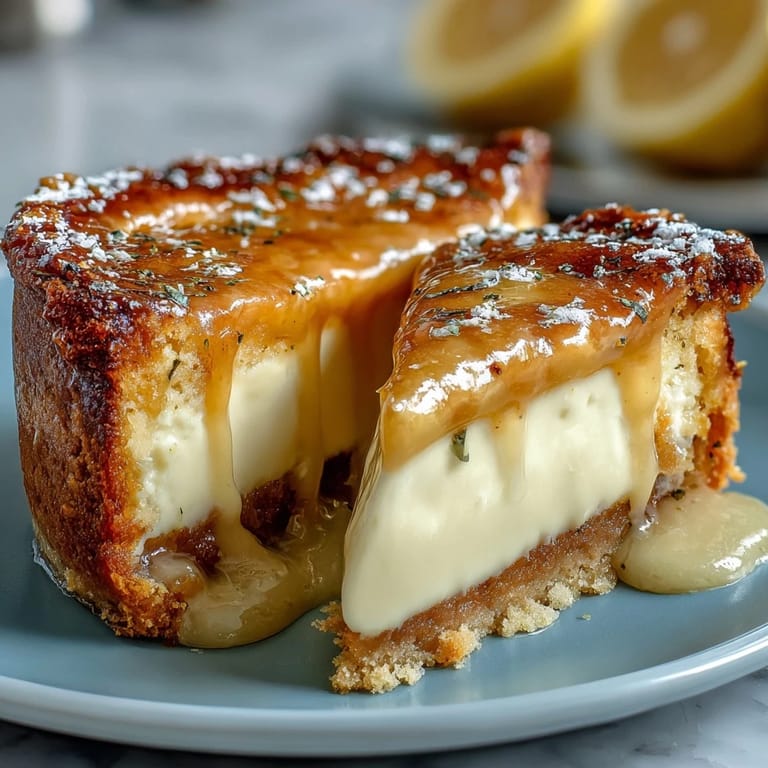
Save There's a particular kind of magic that happens when you pull a lemon tart from the oven—that moment when the filling has just set but still trembles slightly, catching the light like liquid gold. I discovered this dessert entirely by accident one spring afternoon when I was supposed to be making lemon bars but somehow ended up with a tart pan instead of a baking dish. What started as a kitchen mistake became the dish I now make whenever I want to impress people without spending all day in the kitchen. The brightness of fresh lemon paired with that buttery, crisp crust is the kind of elegance that tastes far more complicated than it actually is.
I baked this for a colleague's birthday last April, and watching everyone's faces when they took that first bite—the slightly puckered look followed by pure delight—reminded me why citrus desserts have such staying power. Someone asked if it was from a bakery, which felt like the highest compliment, especially since I'd made it in a tiny kitchen while juggling work calls. That tart taught me that sometimes the simplest-sounding recipes are the ones people remember longest.
Ingredients
- All-purpose flour: The foundation of your crust, and using a light hand when mixing keeps it tender rather than tough.
- Cold unsalted butter, cubed: This is non-negotiable—the butter must be cold enough that you can see distinct pieces after pulsing, or your crust will turn greasy instead of flaky.
- Powdered sugar: Adds subtle sweetness to the crust while keeping it from browning too quickly.
- Fine sea salt: A tiny pinch brings out the buttery flavor and balances the sweetness perfectly.
- Large egg yolk: Binds the dough and creates richness without making it tough.
- Ice water: Keep it as cold as possible—literally add ice cubes to your water glass beforehand.
- Eggs and egg yolks for filling: The whole eggs add structure, while the extra yolks create that silky, custardy texture.
- Granulated sugar: Use fresh, fine granules that dissolve smoothly into the eggs without graininess.
- Freshly squeezed lemon juice: This is where the magic happens—bottled juice tastes flat and metallic by comparison, so squeeze those lemons by hand if you can.
- Finely grated lemon zest: The oils in the zest carry the truest lemon flavor, so microplane it directly into the filling.
- Unsalted butter, melted: Let it cool slightly so it doesn't scramble the eggs when you fold it in.
Tired of Takeout? 🥡
Get 10 meals you can make faster than delivery arrives. Seriously.
One email. No spam. Unsubscribe anytime.
Instructions
- Build your crust base:
- Pulse your dry ingredients together first, then add those cold butter cubes and let the food processor do the work—you're looking for something that looks like coarse breadcrumbs with pea-sized bits of butter still visible. Add the egg yolk and two tablespoons of ice water, pulsing gently until the dough just barely comes together; if it's still crumbly after a few pulses, add that extra tablespoon of water one teaspoon at a time.
- Chill the dough:
- Flatten it into a disk, wrap it in plastic, and let it rest in the fridge for thirty minutes—this helps the gluten relax so your crust won't shrink in the oven. If you're short on time, even fifteen minutes helps.
- Shape and blind bake:
- Roll the dough out on a lightly floured surface until it's thin enough to see your hand through it, then fit it into your tart pan and press it gently into the corners. Prick the base all over with a fork to prevent puffing, line it with parchment paper, and fill with pie weights or dried beans—this blind baking step prevents a soggy bottom, which is the enemy of a perfect tart.
- Pre-bake the crust:
- Bake for fifteen minutes, then carefully remove the weights and parchment and bake another ten minutes until it's just barely golden around the edges. You want it partially baked but not fully cooked, so it finishes cooking when the filling goes in.
- Whisk the filling:
- While the crust cools slightly, combine your eggs, yolks, sugar, lemon juice, zest, melted butter, and salt in a bowl and whisk until completely smooth and pale. If you see any bits of cooked egg, strain it through a fine sieve—this extra step ensures a silky finish.
- Pour and bake:
- Pour the filling into that warm crust and slide it into the oven for twenty to twenty-five minutes, watching for the moment when the edges are just set but the center still jiggles slightly when you give the pan a gentle shake. This wobble is your signal that it's perfectly cooked—overbaked filling becomes rubbery.
- Cool with patience:
- Let it cool completely on a wire rack at room temperature, then chill it in the refrigerator for at least two hours before slicing. The filling sets up even more as it cools, and the flavors deepen overnight.
 Save
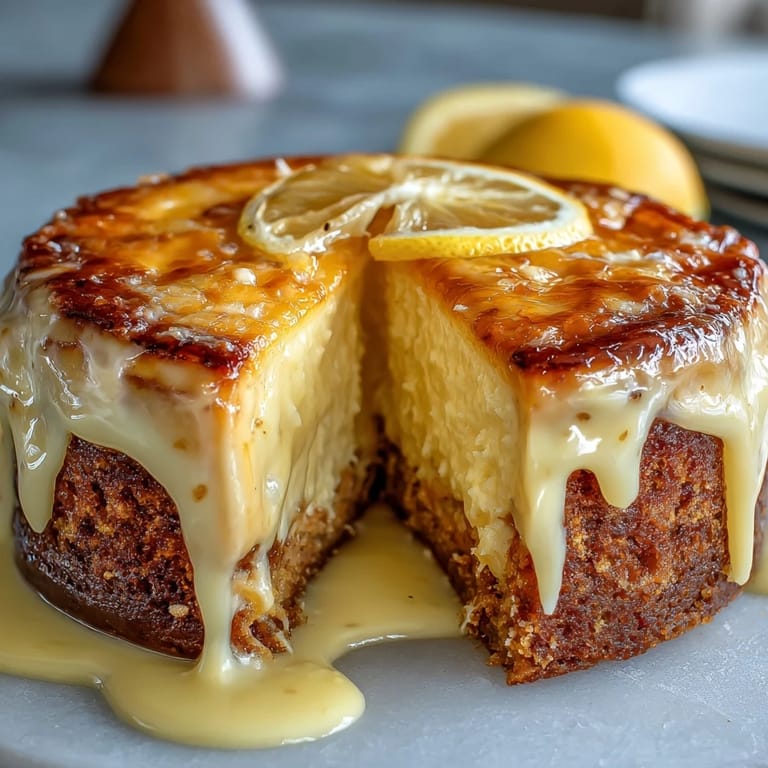
Save Years ago, I made this tart for my partner on an ordinary Tuesday night just because we had lemons and butter on hand, and watching them scrape every last drop from their plate made me understand why food can feel like proof that someone cares about you. That night shifted how I think about cooking—it's not just about following instructions perfectly, it's about showing up in the kitchen with intention.
The Science Behind the Crust
The butter in your crust is what creates those delicate, crispy layers—when the cold butter pieces melt in the oven, they leave behind tiny pockets of air, which is exactly what makes pastry flaky. The key is keeping everything as cold as possible and working quickly so the butter doesn't soften before baking. This is why professional bakers chill their equipment and work in cool kitchens; it's not fussy, it's physics.
Why Fresh Lemon Juice Changes Everything
There's a brightness that only fresh-squeezed lemon juice can bring—bottled juice has been heated and stabilized, which mutes those sharp, vivid notes that make this tart sing. When you squeeze lemons by hand right into your bowl, you're capturing volatile oils that disappear in processing, and you'll taste the difference immediately. I once made this with bottled juice out of laziness, and the tart tasted muted and one-dimensional, so now I always plan for fresh citrus.
Serving and Pairing Ideas
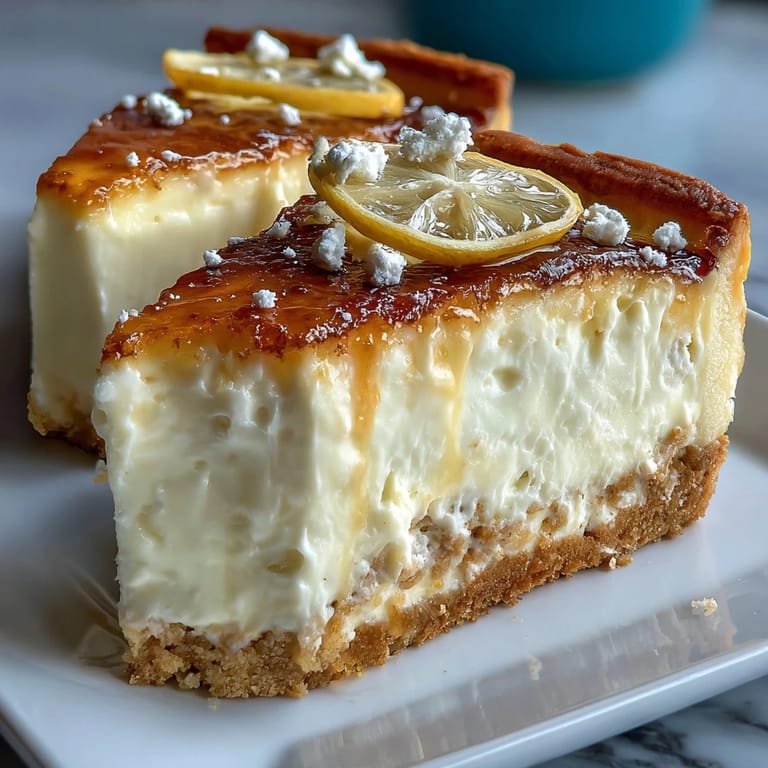
This tart is sophisticated enough to serve at a dinner party but simple enough for a quiet afternoon with tea, and it's equally lovely served at room temperature or slightly chilled. A dusting of powdered sugar just before serving catches the light beautifully, while fresh raspberries or a few thin lemon wheels add visual elegance without much effort. The tartness pairs wonderfully with something slightly sweet to drink, like a chilled Sauternes or sparkling wine, or even a cup of strong Earl Grey.
- Make it the day before your gathering so you have one less thing to worry about on the day itself.
- If you want a sweeter filling, add two extra tablespoons of sugar to the lemon mixture, though the original balance feels perfect to most palates.
- Serve with softly whipped cream or crème fraîche on the side—the cool, tangy contrast makes every bite feel luxurious.
 Save
Save This tart has become my go-to when I want to feel like I've done something special without spending hours in the kitchen. Every time someone asks for the recipe, I get that small warm feeling of knowing I've shared something that will show up on their table someday.
Recipe FAQ
- → How do I achieve a crisp, buttery crust?
Use cold, cubed butter combined with flour and powdered sugar, pulsing just until coarse crumbs form. Avoid overworking dough and chill before rolling.
- → What makes the lemon filling bright and smooth?
Freshly squeezed lemon juice and finely grated zest combine with eggs, sugar, and melted butter whisked until smooth for balanced tanginess.
- → How long should the tart cool before serving?
Allow the tart to cool completely on a wire rack, then chill for at least 2 hours to set the filling perfectly.
- → Can the filling sweetness be adjusted?
Yes, adding an extra 2 tablespoons of sugar enhances sweetness to suit personal preference.
- → What garnishes complement this tart?
Dusting with powdered sugar, fresh lemon slices, berries, or mint leaves add visual appeal and fresh flavors.
- → Are there alternatives to lemon juice for flavor variation?
Blood orange or lime juice can substitute lemon juice to provide unique citrus notes.