 Save
Save There's something about the middle of July when the farmers market bursts with cherry tomatoes and cucumbers that made me stop buying salad dressing altogether. I was standing in my kitchen on a particularly hot afternoon, staring at a colander full of vegetables and thinking about how pasta salad didn't have to be that heavy mayonnaise-laden thing from potlucks past. A friend mentioned she'd been squeezing lemons into everything, and that sparked something—what if the brightness of lemon became the entire backbone of a summer lunch? The first time I tossed warm pasta with fresh lemon juice and olive oil, I understood why certain dishes feel less like recipes and more like solutions.
I made this for a potluck where someone had already committed to bringing three different mayonnaise-based salads, and watching people circle back to grab seconds of the lemony version felt like a small victory. My neighbor actually asked for the recipe written down, which almost never happens at those gatherings.
Ingredients
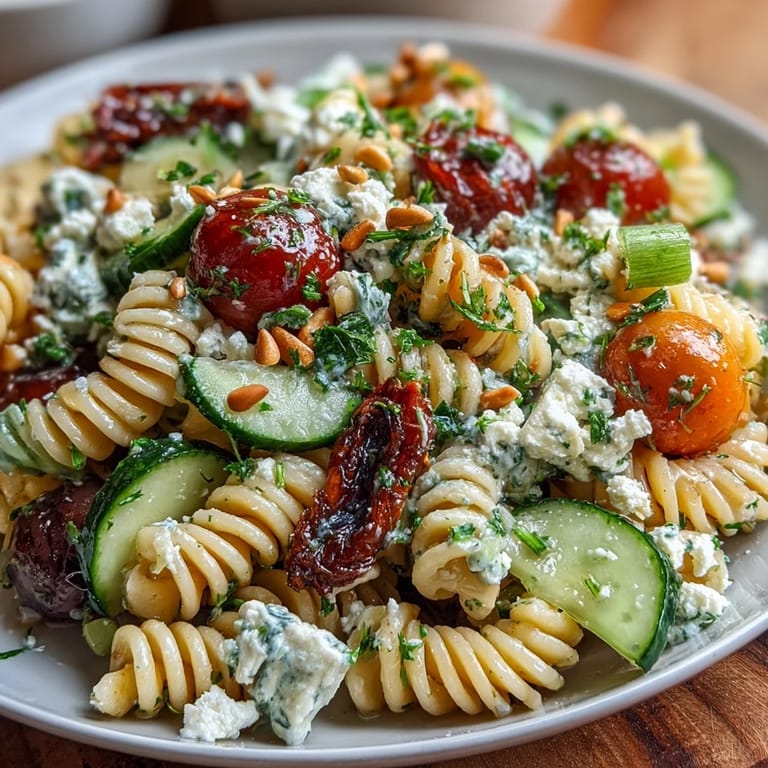
- Short pasta (fusilli, penne, or farfalle): Use 250g total because these shapes catch the vinaigrette in all their little crevices instead of letting it slide off like spaghetti would.
- Cucumber: One medium cucumber, diced—the fresher the better, and if it's from a garden rather than a store, you'll taste the actual difference.
- Cherry tomatoes: 250g halved; the smaller the tomato, the sweeter it tends to be, which balances the tartness of the lemon perfectly.
- Spring onions: Thinly slice 2 of them for a gentle onion flavor that won't overpower the vegetables.
- Fresh parsley: 2 tablespoons chopped—this is your green note that makes everything taste bright and intentional.
- Lemon: One large lemon, zested and juiced; the zest carries oils that the juice alone can't deliver, so don't skip it.
- Extra virgin olive oil: 3 tablespoons of good quality oil matters here because it's not being cooked down—you taste every drop.
- Dijon mustard: 1 teaspoon acts as an emulsifier so the vinaigrette doesn't separate and pool at the bottom.
- Garlic: One small clove, finely minced; a microplane makes this step nearly effortless and distributes the flavor evenly.
- Honey: Half a teaspoon optional, but it's the secret for rounding out the sharpness without making anything sweet.
- Sea salt and black pepper: Half a teaspoon and a quarter teaspoon respectively, though you'll adjust this once everything is combined.
- Feta cheese: 50g crumbled, optional but it adds a salty richness that transforms the salad from side dish to main event.
- Toasted pine nuts: 2 tablespoons if you want texture and a subtle butter-like flavor that costs almost nothing but feels fancy.
Tired of Takeout? 🥡
Get 10 meals you can make faster than delivery arrives. Seriously.
One email. No spam. Unsubscribe anytime.
Instructions
- Get the pasta started:
- Bring a large pot of salted water to a rolling boil—the water should taste like the sea. Drop in your pasta and cook until just al dente, which means there's still a whisper of firmness when you bite it, not soft or mushy.
- Cool it down immediately:
- Drain the pasta through a colander and rinse it under cool running water, stirring gently with a fork to stop the cooking. You want it chilled before the vinaigrette goes on.
- Make the vinaigrette:
- In a large mixing bowl, whisk together the fresh lemon juice, zest, olive oil, Dijon mustard, minced garlic, honey if you're using it, salt, and pepper until it looks emulsified and cohesive. You're looking for it to smell like summer and taste like a gentle punch in the face.
- Marry the pasta and dressing:
- Add the cooled pasta to the bowl and toss gently but thoroughly with the vinaigrette, making sure every piece gets coated. This is when the pasta absorbs all the flavor, so don't rush this moment.
- Add the vegetables:
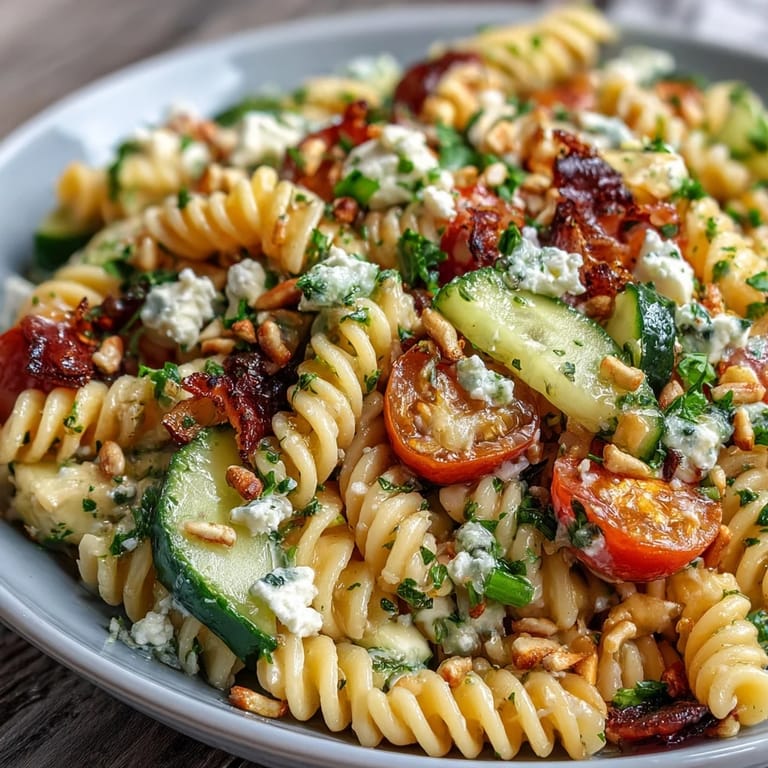
- Gently toss in the diced cucumber, halved cherry tomatoes, sliced spring onions, and chopped parsley until everything is evenly distributed. The pasta should now look colorful and intentional.
- Optional finishing touches:
- Fold in the crumbled feta cheese and toasted pine nuts if you're using them, and taste as you go. Adjust salt and pepper until it tastes exactly right to you—remember that feta is salty, so go easy at first.
- Let it rest:
- Chill the salad for at least 15 minutes before serving, though it's genuinely better if you give it a full hour. The flavors settle and marry together in a way that makes everything taste more intentional.
 Save
Save This salad became my solution for those times when I'm cooking for people who think they don't like salad, only to watch them quietly eat three full plates while pretending they're just picking. It stopped being about vegetables and became about how fresh and alive food can taste when you don't overcomplicate it.
The Lemon Factor
Lemon juice alone feels thin and one-dimensional, but when you add the zest—those tiny bright flecks of oil from the skin—everything shifts into focus. I learned this the hard way by making vinaigrettes for years without zesting anything, wondering why restaurant versions tasted more vibrant. The oils in the zest carry flavors that the juice can't, and they're what make people taste this salad and ask what you did differently.
Why Pasta Salad Gets Soggy (and How Not To)
The mistake everyone makes is combining everything at once and letting it sit, turning it into a sad mush by dinner. The secret is that the pasta drinks in the vinaigrette first while it's warm, creating a flavorful foundation, and then the vegetables go in at the last possible moment before serving. This way the tomatoes stay juicy, the cucumber stays crisp, and the whole thing tastes intentional instead of like something that's been sitting around.
Make It Your Own
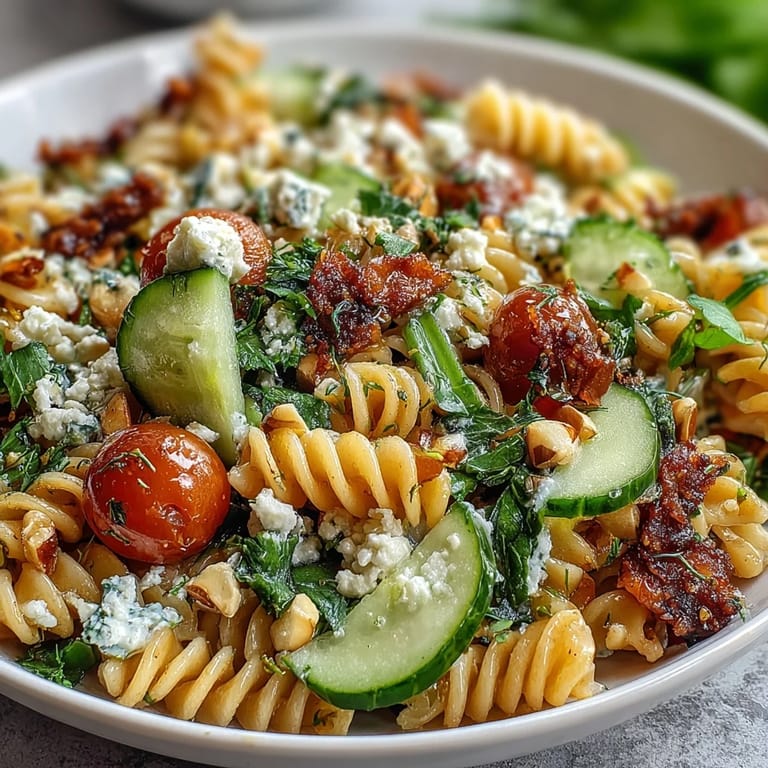
This salad is flexible enough to bend with what you have on hand and what you're craving, which is part of why it's become my go-to template for summer eating. I've made it with arugula instead of parsley, added chickpeas for protein, swapped the feta for goat cheese, and even thrown in fresh dill when I had it growing in pots. The lemon vinaigrette is sturdy enough to hold it all together while letting each ingredient shine.
- If you want to make this a main course, add grilled chicken, white beans, or shrimp and call it dinner.
- Leftover salad is actually better the next day once everything has had time to get to know each other, so don't hesitate to make extra.
- Store it in an airtight container and it keeps beautifully for up to three days, making it perfect for meal prep or packed lunches.
 Save
Save This salad has somehow become the thing people request when they want something that feels special but doesn't require a complicated recipe. It's proof that simplicity done well beats complexity every single time.
Recipe FAQ
- → How do I make the lemon vinaigrette?
Whisk lemon juice, lemon zest, olive oil, Dijon mustard, minced garlic, honey, salt, and black pepper together until emulsified for a bright, tangy dressing.
- → What pasta types work best here?
Short pasta shapes like fusilli, penne, or farfalle hold the vinaigrette and vegetables well for balanced flavor and texture.
- → Can I prepare this dish ahead of time?
Yes, chilling the salad for at least 15 minutes helps meld flavors and makes it ideal for make-ahead lunches or gatherings.
- → What are good additions for extra protein?
Cooked chickpeas or grilled chicken can be added to enhance protein content without overwhelming the fresh flavors.
- → How should I store leftovers?
Keep leftovers in an airtight container in the refrigerator and consume within 2 days for optimal freshness and taste.