 Save
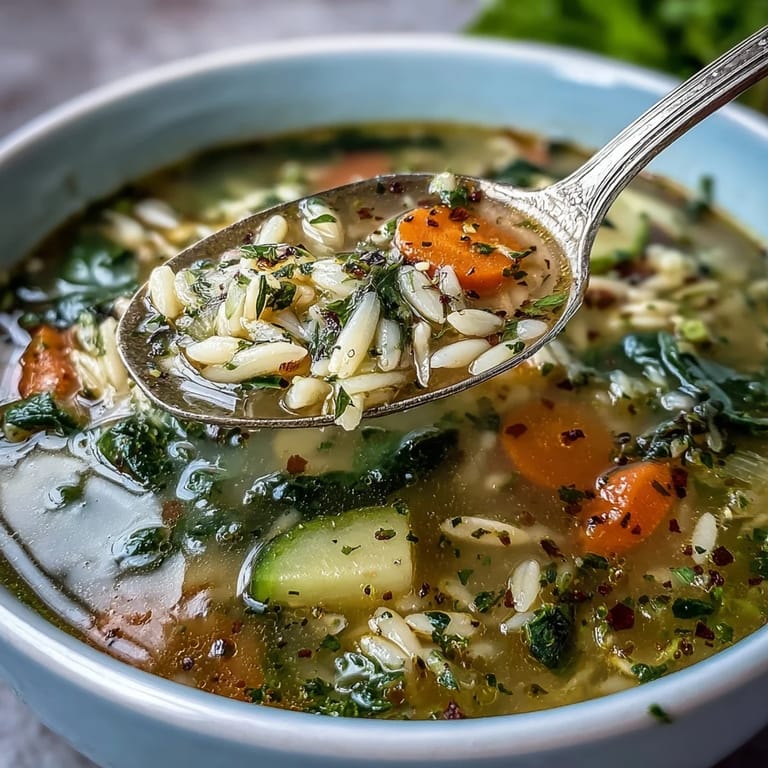
Save There's something about the smell of lemon zest hitting hot oil that makes me pause mid-chop and just breathe it in. Years ago, I was rushing through a weeknight dinner when a friend texted saying she'd be by in thirty minutes with news, and instead of panicking, I found myself reaching for lemons and fresh herbs without really thinking. That soup became the backdrop to one of those conversations where everything felt lighter because of what was happening around the table, not just what was in the bowl.
My neighbor once asked why her soups never tasted bright, and I realized she'd been skipping the zest entirely. When I made her taste mine side by side with hers, the difference was almost embarrassing. That moment taught me that this soup isn't forgiving about shortcuts, but it rewards attention to small details with flavor that feels disproportionately generous.
Ingredients
- Olive oil: One tablespoon is enough to coat the pot without making this feel heavy, which is the whole point of a soup this bright.
- Onion: The foundation that nobody notices but that everything relies on, so take those three minutes to let it turn translucent.
- Garlic cloves: Two minced cloves add depth without overpowering, though I've learned that garlic burns fast, so watch the timing carefully.
- Carrots and celery: These vegetables add natural sweetness and body, and dicing them evenly helps them cook at the same speed.
- Vegetable broth: Low sodium is genuinely important here because you'll be seasoning at the end and control matters.
- Lemon zest: This is non-negotiable if you want the soup to taste alive, so use a microplane and don't skip it.
- Lemon juice: Two lemons worth of fresh juice brings acidity that bottled never quite captures, and the brightness is what makes this soup feel special.
- Fresh herbs: Parsley, dill, chives, and thyme work together like a conversation, each bringing something different to the final taste.
- Rice or orzo: Optional, but it transforms this from a starter into something more substantial if you need it to be.
- Salt and pepper: Save these for the very end when you can taste and adjust knowing exactly what you're working with.
Tired of Takeout? 🥡
Get 10 meals you can make faster than delivery arrives. Seriously.
One email. No spam. Unsubscribe anytime.
Instructions
- Build your base:
- Heat the olive oil in a large pot over medium heat, then add the chopped onion. Let it cook undisturbed for about three minutes until it turns soft and translucent, which is the signal that your foundation is ready.
- Develop the flavor:
- Add the minced garlic, diced carrots, and diced celery to the pot and sauté everything together for another five minutes, stirring occasionally until the vegetables start to soften and the kitchen smells almost sweet. This is where the soup starts becoming something more than just broth and vegetables.
- Bring it to life:
- Pour in the vegetable broth and turn the heat up to bring everything to a boil, then lower it back down to a simmer for about ten minutes. You're giving the vegetables time to surrender their flavors to the broth.
- Add the brightness:
- This is the moment where everything changes. Stir in the lemon zest, fresh lemon juice, parsley, dill, chives, and thyme, then let it simmer for another five minutes so the herbs can infuse without losing their fresh edge.
- Finish strong:
- If you're using rice or orzo, add it now and let everything heat through for two or three minutes. Taste the soup carefully, then season with salt and pepper until it tastes like itself, not like salt.
- Serve with intention:
- Ladle the soup into bowls while it's hot, and if you have fresh herbs or lemon slices on hand, add them as a final flourish because this soup deserves the extra touch.
 Save
Save There was an afternoon when my daughter helped me make this, and she got so excited about the zester that she ended up with more zest than juice, turning the broth cloudy with citrus. Instead of restarting, we leaned into it, and that accidentally thick, intensely lemony version became her favorite. Sometimes the best kitchen moments aren't the ones that go according to plan.
The Lemon Question
People often ask whether bottled lemon juice works, and honestly, yes, it will work, but you'll notice the difference immediately. Fresh lemons bring a complexity that bottled juice doesn't have, something almost floral underneath the tartness. I've made this soup both ways, and the fresh lemon version is the one people ask me to make again.
Herb Substitutions That Actually Work
The herbs here aren't random, but they're flexible if you know what you're doing. Basil brings a peppery sweetness that works beautifully if you're thinking spring, while tarragon adds something almost anise-like that feels more sophisticated. I've even used fresh mint once when I had it on hand, and the soup became something almost dessert-like, which was unexpected but not unwelcome.
Making It Your Own
This soup is a template if you want it to be, a starting point rather than an ending point. Once you've made it a few times and understand how the lemon and herbs work together, you can start playing with vegetables, adding tomatoes if you want more body, or throwing in white beans if you need protein. The core of what makes this soup work is the citrus, the herbs, and the respect for keeping everything bright.
- A squeeze of fresh garlic at the end adds complexity if you want more depth, but do it carefully so it doesn't overwhelm.
- Toasted bread rubbed with garlic and topped with fresh herbs turns this into something you could serve at a dinner party without apology.
- Leftover soup keeps for three days in the fridge, though the herbs fade a bit, so taste and adjust the seasoning if you're reheating.
 Save
Save This soup reminds me that sometimes the most memorable meals aren't the complicated ones, but the ones that taste like care and attention to the small things. Make it when you want to feel like you're cooking something that tastes effortless but generous.
Recipe FAQ
- → What makes this soup Mediterranean?
The combination of fresh herbs like parsley, dill, and chives along with bright lemon flavors reflects classic Mediterranean cooking traditions that emphasize citrus and aromatic herbs in lighter preparations.
- → Can I make this soup ahead of time?
Yes, this soup reheats beautifully. Store it in the refrigerator for up to 3 days. The flavors often develop and intensify overnight, making it even more delicious the next day.
- → Is this soup suitable for freezing?
This soup freezes well for up to 3 months. If adding rice or orzo, consider adding it after reheating since grains can become slightly soft when frozen and thawed.
- → What can I serve with this soup?
Crusty bread, a side salad, or roasted vegetables pair perfectly. For a more substantial meal, add shredded cooked chicken or serve alongside a light grain dish.
- → Can I adjust the lemon intensity?
Absolutely. Start with half the lemon juice and taste before adding more. The zest provides concentrated citrus aroma without excessive acidity, so adjust both elements to your preference.
- → What herbs work best as substitutions?
Basil, tarragon, or oregano can replace dill or chives for different flavor profiles. Fresh herbs provide the brightest taste, but dried herbs work in a pinch—use about one-third the amount.