 Save
Save The first time I made chermoula, I wasn't even planning to—I'd bought a beautiful piece of sea bass at the market and realized I had cilantro, parsley, and a lemon all sitting in my fridge. Something about the combination felt right, almost inevitable. I threw them together with garlic and spices, and the kitchen suddenly smelled like a place I'd never been but somehow recognized. That smell—herbaceous, bright, with cumin warmth threading through—made me understand why this marinade has traveled centuries across North African kitchens.
I made this for my sister's birthday dinner on a warm evening in late spring, and she took one bite of the marinated cod and closed her eyes like she was somewhere else entirely. That's when I realized a good marinade isn't just about flavor—it's about creating a moment. We sat outside until dark, talking and eating, and she kept asking what made it taste so alive. I told her it was the cilantro and the lemon juice hitting at the same time, but really, it was that she was tasting something made with intention.
Ingredients
- Fresh cilantro, 1 cup packed: The backbone of chermoula—don't hold back on quantity, and chop it fine so it distributes evenly through the oil.
- Fresh flat-leaf parsley, ½ cup packed: It rounds out the cilantro's intensity and adds a grounding earthiness that keeps things balanced.
- Garlic cloves, 4 minced: Raw garlic is sharp here, which is exactly what you want—it cuts through the richness of the oil and fish.
- Shallot, 1 small finely minced (optional): I skip this sometimes and add it others depending on my mood; it brings a subtle sweetness if you use it.
- Lemon zest and juice: The zest gives brightness without extra liquid; the juice adds acid that makes everything pop and helps the marinade cling to the fish.
- Ground cumin, 2 tsp: Warm and slightly nutty, it's the spice that makes you realize this is Moroccan, not just Mediterranean.
- Sweet paprika, 1½ tsp: Use the sweet version—it adds color and a gentle pepper flavor without harsh smokiness.
- Ground coriander, 1 tsp: Floral and subtle, it brings complexity that makes people wonder what they're tasting.
- Cayenne pepper, ½ tsp: Start here and adjust up if you like heat; I've learned that a little restraint at first is better than overheating a marinade.
- Black pepper, ½ tsp: Fresh ground, of course—it adds one final layer of sharpness.
- Extra-virgin olive oil, ½ cup: Good olive oil matters here because it's front and center; cheap oil makes the whole thing taste like a missed opportunity.
- Sea salt, 1½ tsp: Salt brings every flavor into focus and helps the marinade adhere to the fish's surface.
Tired of Takeout? 🥡
Get 10 meals you can make faster than delivery arrives. Seriously.
One email. No spam. Unsubscribe anytime.
Instructions
- Gather and chop your herbs:
- Wash and spin dry your cilantro and parsley, then chop them fine—don't overthink it, but aim for pieces small enough that they coat the fish rather than sit on top of it.
- Build your aromatics:
- Mince your garlic and shallot on the same cutting board, letting your knife make quick work of them; you want them small enough to dissolve into the paste almost.
- Zest and juice:
- Use a microplane if you have one—it catches just the colored part of the lemon peel, which is where all the aroma lives. Roll the lemon on the counter first to release its juice.
- Combine everything in a bowl:
- Add cilantro, parsley, garlic, and shallot to a medium bowl, then sprinkle in the zest and pour in the juice, letting the acid start breaking down the herbs slightly.
- Season with spices:
- Sprinkle in the cumin, paprika, coriander, cayenne, and black pepper, stirring as you go so the spices toast slightly from the friction and release their warmth.
- Add oil and salt:
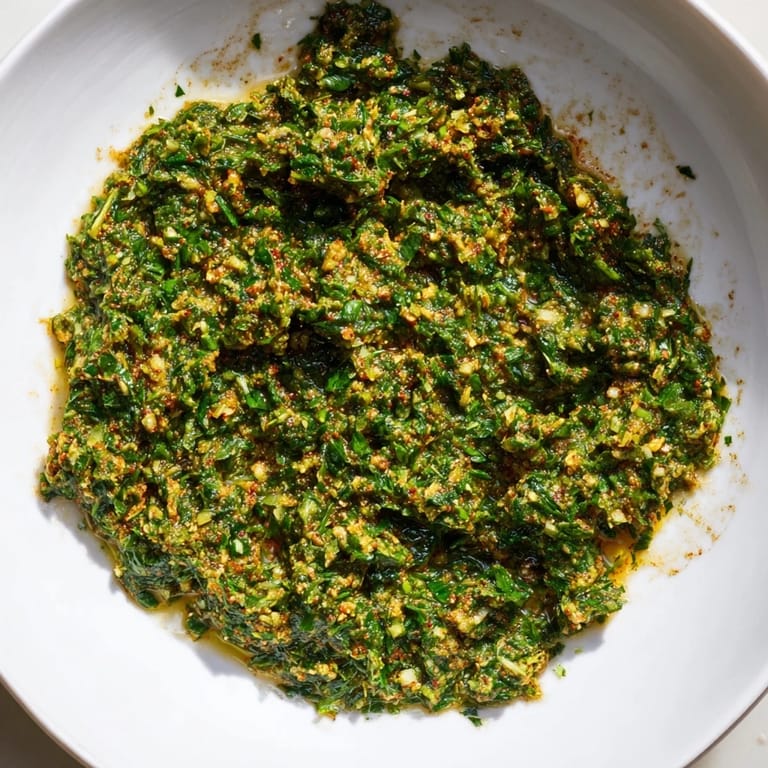
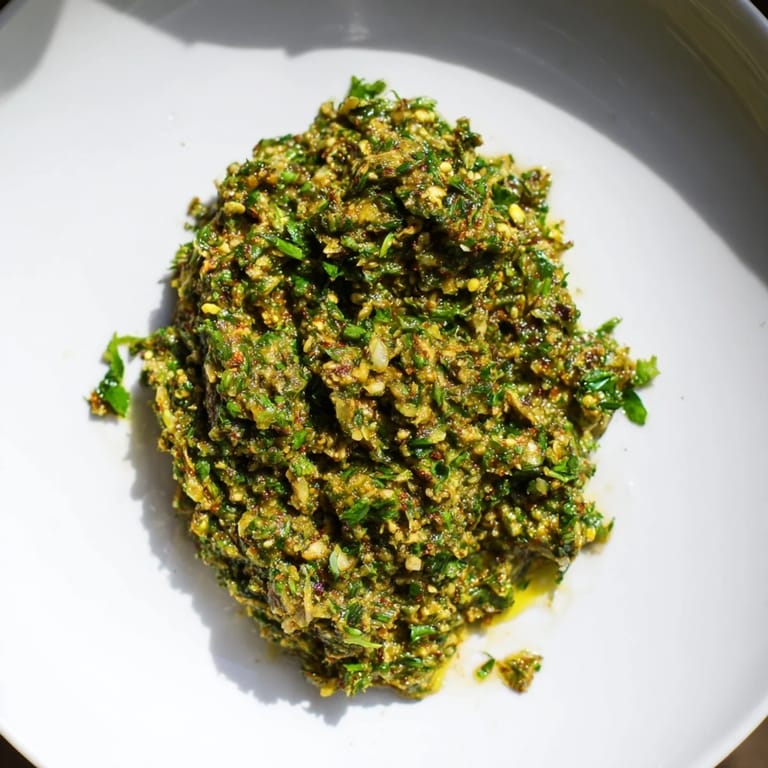
- Pour in your olive oil and sprinkle salt over everything, then stir with intention until you have a thick, fragrant paste that clings together.
- Taste and adjust:
- Take a tiny taste on your finger—it should be bright from lemon, warm from spices, and herbaceous without being bitter. Add more salt or lemon juice if it needs it.
- Coat your fish:
- Spread the marinade generously over your fish, getting into crevices if it's whole, and refrigerate for at least 30 minutes and up to 2 hours before cooking.
 Save
Save There's a moment right after you've coated the fish with chermoula when you can smell the cumin mixing with the lemon and fresh herbs—that moment is when you know you've done something right. My neighbor smelled it wafting over the fence once and asked what I was cooking, and I realized that a good marinade announces itself. It's not hidden inside the food; it's right there, honest and welcoming.
The North African Kitchen
Chermoula is the bridge between the Mediterranean and the Sahara, brought alive by traders and families who carried their spices along ancient routes. It's not just a marinade—it's a way of cooking that says you respect the ingredients enough to let them speak. The cilantro and parsley are fresh witnesses; the spices are memory.
Beyond Fish
I've learned that chermoula is one of those rare marinades that travels well beyond its original purpose. Chicken becomes something tender and aromatic; vegetables develop a crust that tastes almost meaty. Last summer, I used it on zucchini and eggplant at a garden party, and people kept coming back for more, genuinely confused that it wasn't meat. The principle is the same: coat something beautiful, let it sit, and let the flavors do the work.
Serving and Pairing
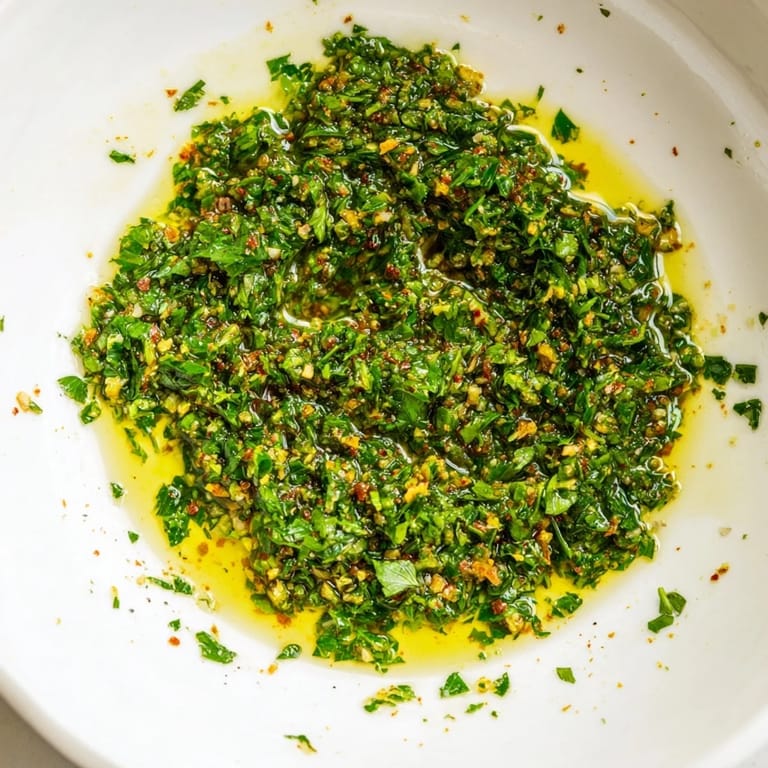
This is best served with something simple—couscous that soaks up the pan juices, a crisp white wine that doesn't compete with the cilantro, maybe a squeeze of fresh lemon at the table if people want to push the brightness even further. I've found that chermoula fish wants company; it's not a solitary dinner kind of meal. It's meant for sharing, for stories, for evening light and conversations that go longer than you expected.
- Serve with fluffy couscous or crusty bread to catch every drop of the sauce.
- A chilled Sauvignon Blanc or Vermentino cuts through the richness and echoes the lemon.
- Have extra lemon wedges on the table for anyone who wants to push the brightness further.
 Save
Save Chermoula reminds me that the best recipes are the ones that make you feel like you're cooking somewhere else for a moment, somewhere with history and warmth behind it. Try this, and I think you'll understand why families have been making it for centuries.
Recipe FAQ
- → What is the main flavor profile of this marinade?
The marinade features fresh herbs like cilantro and parsley combined with bright lemon, garlic, and a blend of warming spices such as cumin, paprika, coriander, and cayenne pepper.
- → How long should the marinade be applied before cooking?
Fish or seafood should be marinated for at least 30 minutes and up to 2 hours to fully absorb the flavors.
- → Can this blend be used with proteins other than fish?
Yes, it pairs well with shrimp, chicken, and even vegetables, adding vibrant, aromatic notes.
- → Is the marinade spicy, and can it be adjusted?
The cayenne pepper gives a mild heat, which can be reduced or omitted for a gentler flavor.
- → What tools are recommended for preparing this blend?
A medium bowl, a sharp chef’s knife, and a microplane or citrus zester are helpful to finely chop and zest the ingredients properly.
- → How should the ingredients be combined for best results?
Mix the fresh herbs and aromatics first, then add lemon zest and juice, spices, olive oil, and sea salt until a thick, fragrant paste forms.