 Save
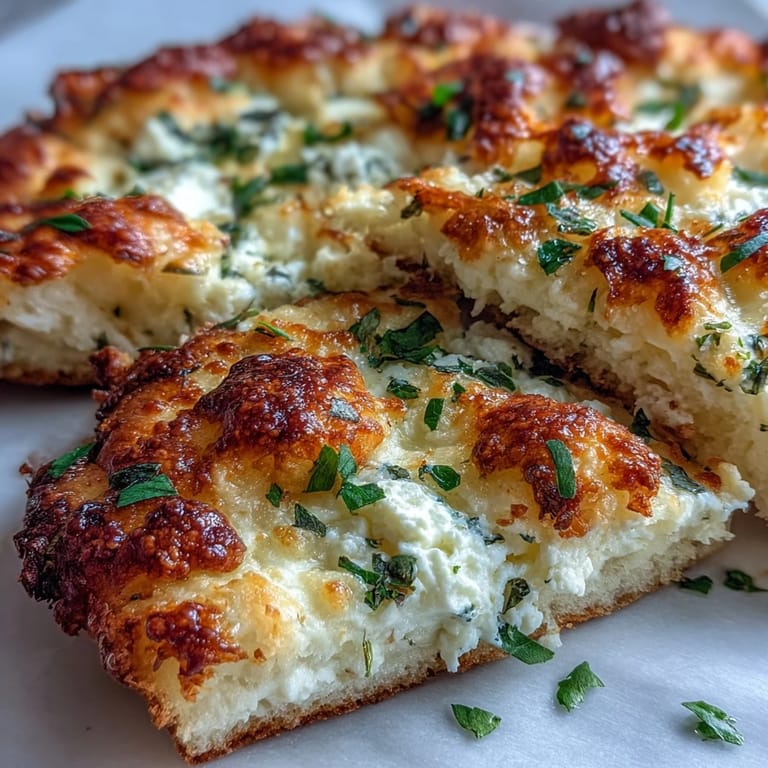
Save My skillet was too hot the first time, and the flatbreads puffed up so fast I thought they'd float away. I learned to turn the heat down, let the bubbles form slowly, and suddenly cottage cheese made sense in bread. The dough felt different—softer, almost forgiving—and the slight tang reminded me why I kept a tub of curds in the fridge at all times. Now I make these on weeknights when I need something quick but don't want to settle for store-bought.
I made a double batch one Saturday morning and watched my neighbor's kids fold them around scrambled eggs like little burritos. They didn't ask what was in the dough, just reached for seconds. That's when I realized these flatbreads don't need a big introduction—they just need to be warm, soft, and ready when hunger strikes.
Ingredients
- All-purpose flour: The backbone of the dough, providing structure without making the flatbreads heavy; keep extra nearby for dusting your work surface and your hands.
- Baking powder: Creates those airy bubbles that puff up in the pan, giving each flatbread a light, tender crumb instead of a dense chew.
- Fine salt: Balances the tang from the cottage cheese and wakes up the mild flavor of the flour.
- Garlic powder: Optional but worth it—just a pinch adds a quiet savory note that makes the flatbreads feel complete.
- Full-fat cottage cheese: Drain it well or the dough will be too wet; the curds break down into the dough and add moisture, protein, and a gentle tang.
- Large egg: Binds everything together and adds richness, helping the flatbreads stay soft even after they cool.
- Olive oil: A tablespoon in the dough keeps it pliable, and a drizzle in the pan prevents sticking and adds a hint of golden crispness.
- Fresh chopped herbs: Parsley or chives fold into the dough like little green secrets, brightening each bite without overpowering the subtle cheese flavor.
- Water: Add only if needed, teaspoon by teaspoon, to bring a crumbly dough together into a soft, workable ball.
Tired of Takeout? 🥡
Get 10 meals you can make faster than delivery arrives. Seriously.
One email. No spam. Unsubscribe anytime.
Instructions
- Combine the dry ingredients:
- Whisk the flour, baking powder, salt, and garlic powder in a medium bowl until there are no streaks or lumps. This step ensures even distribution so every flatbread tastes the same.
- Mix the wet ingredients:
- In a separate bowl, combine the drained cottage cheese, egg, olive oil, and chopped herbs, then use a fork to break up the curds until the mixture looks mostly smooth. A few small curds are fine—they'll blend into the dough.
- Form the dough:
- Pour the wet mixture into the dry ingredients and stir gently with a spatula until a shaggy dough forms. If it feels too dry or won't come together, add water one teaspoon at a time until it becomes a soft, slightly sticky ball.
- Knead briefly:
- Turn the dough onto a lightly floured surface and fold and press it about six to eight times, just enough to bring it into a cohesive ball. Over-kneading will make the flatbreads tough, so keep it gentle.
- Rest the dough:
- Cover the dough ball with a clean kitchen towel or plastic wrap and let it rest at room temperature for ten minutes. This short rest relaxes the gluten and makes rolling easier.
- Divide and shape:
- After resting, divide the dough into four equal portions and roll each into a smooth ball. Use a rolling pin or your hands to flatten each ball into a round flatbread about a quarter inch thick, dusting lightly with flour as needed.
- Heat the skillet:
- Warm a large nonstick or cast-iron skillet over medium heat and brush lightly with olive oil. The pan should be hot enough to sizzle a drop of water but not so hot that the flatbreads burn before they cook through.
- Cook the first side:
- Place one rolled flatbread in the hot skillet and cook for two to three minutes until bubbles form on the surface and the underside turns golden brown. Watch the heat—if it's browning too fast, turn it down.
- Flip and finish:
- Flip the flatbread and cook another one to two minutes until golden and cooked through. Press gently with a spatula to encourage even browning.
- Keep warm and repeat:
- Transfer the cooked flatbread to a plate and cover with a clean towel to keep it warm and soft. Repeat with the remaining dough, adding more oil to the skillet if needed.
 Save
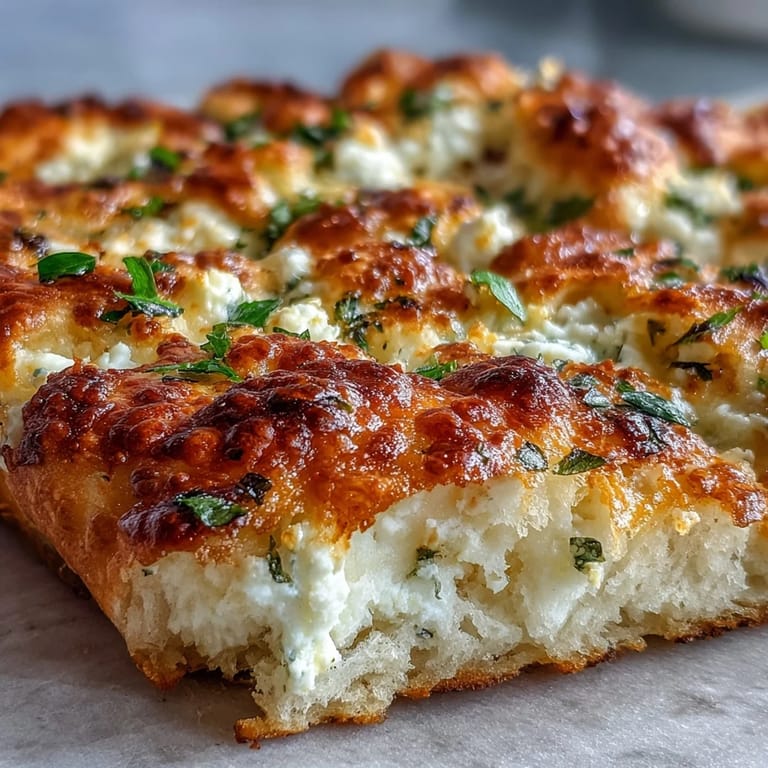
Save One evening I served these warm from the skillet with hummus and roasted vegetables, and my friend asked if I'd ordered takeout. I just smiled and handed her the spatula. Sometimes the best compliment is someone thinking homemade is too good to be homemade.
Making It Your Own
If you want a gluten-free version, swap the all-purpose flour for a one-to-one gluten-free blend and add a tablespoon of ground flaxseed to help the dough hold together. I've folded finely chopped spinach and sun-dried tomatoes into the dough for color and flavor, and both worked beautifully. You can also brush the hot flatbreads with melted butter and sprinkle them with flaky salt or za'atar for a savory finish that feels a little fancy.
Storing and Reheating
I stack cooled flatbreads between squares of parchment paper and store them in an airtight container in the fridge for up to three days, or freeze them for up to a month. To reheat, warm them in a skillet over medium heat for about thirty seconds per side, or microwave with a damp paper towel for fifteen seconds to restore softness. Freezing doesn't change the texture much, and I love having a stash ready for last-minute lunches or impromptu pizza nights.
Turning Them Into Pizza
I've used these as pizza bases more times than I can count—just top a cooked flatbread with sauce, cheese, and your favorite toppings, then bake at 425°F for eight to ten minutes until the cheese melts and bubbles. The edges get crisp, the center stays soft, and the cottage cheese dough holds up beautifully under the weight of toppings. It's faster than ordering delivery and tastes better too.
- Brush the flatbread with a thin layer of olive oil before adding toppings to prevent sogginess.
- Keep toppings light and evenly distributed so the flatbread cooks through without getting weighed down.
- Let the pizza rest for a minute after baking so the cheese sets and you don't burn your tongue on the first bite.
 Save
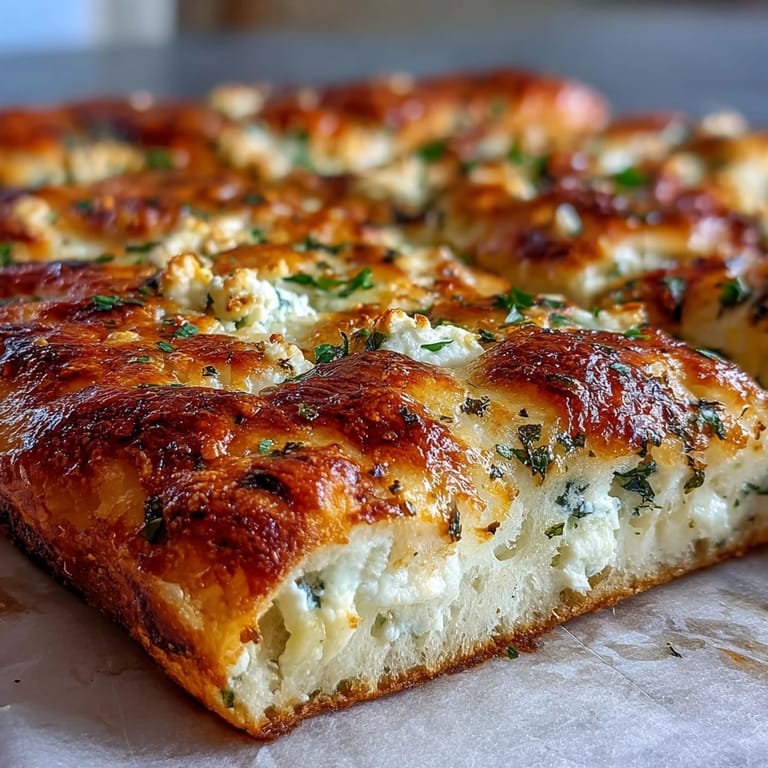
Save These flatbreads have become my go-to when I want something homemade without the fuss, and they've never let me down. Warm, soft, and ready for anything, they're proof that a little cottage cheese and a hot skillet can turn a quiet weeknight into something worth sitting down for.
Recipe FAQ
- → Can I make these flatbreads gluten-free?
Yes, substitute the all-purpose flour with a 1:1 gluten-free flour blend and add 1 tablespoon of ground flaxseed to help bind the dough and improve texture.
- → How do I store leftover flatbreads?
Store cooled flatbreads in an airtight container in the refrigerator for up to 3 days, or freeze them for up to 1 month. Reheat in a skillet or microwave with a damp paper towel to restore softness.
- → Can I add other flavors to the dough?
Absolutely! Try mixing in finely chopped spinach, sun-dried tomatoes, or different herbs like rosemary or oregano to customize the flavor and add color to your flatbreads.
- → What type of cottage cheese works best?
Full-fat cottage cheese is recommended for the best texture and flavor. Make sure to drain it well before mixing to prevent the dough from becoming too wet.
- → Can I use these flatbreads as pizza bases?
Yes, these flatbreads make excellent pizza bases. Simply add your favorite sauce, cheese, and toppings, then bake at 425°F for 8–10 minutes until the cheese is melted and bubbly.
- → Why is my dough too sticky or too dry?
Dough consistency can vary based on cottage cheese moisture content. If too dry, add water 1 teaspoon at a time. If too sticky, dust with small amounts of flour while kneading.